
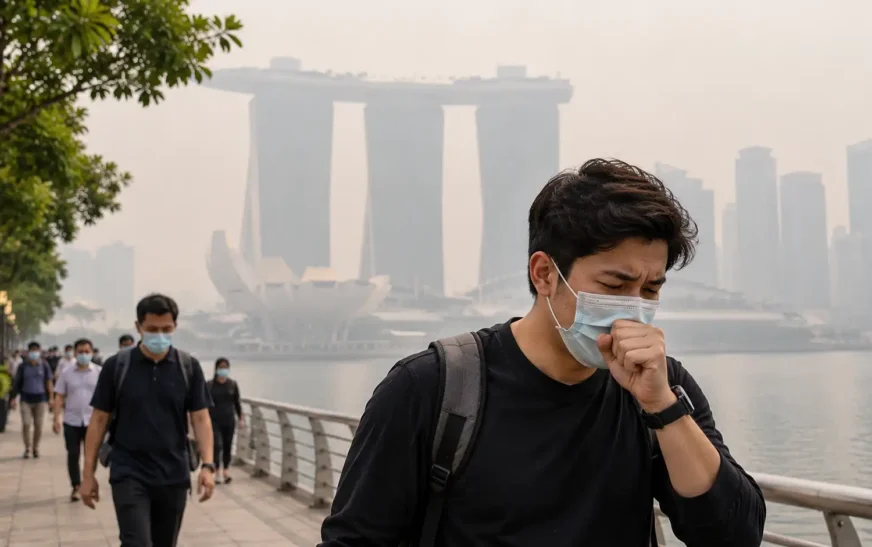
Singapore haze is an environmental issue that can affect air quality, public health, and everyday activities. It often occurs when smoke from fires in nearby parts of Southeast Asia travels across the region. These fires may involve forests, peatlands, or land cleared for agriculture. During hazy periods, the air can become uncomfortable to breathe, and visibility may decrease. People with asthma, older adults, children, and those with existing health conditions may face greater risks. Understanding Singapore haze helps residents and visitors recognize changing conditions, follow safety advice, and make informed decisions about outdoor activities.
What Is Singapore Haze?
Singapore haze refers to smoky air caused by tiny particles and gases suspended in the atmosphere. These pollutants can travel long distances, especially when winds carry smoke from fires in neighbouring regions. The haze may appear as a grey or brown layer that reduces visibility and makes the sky look dull. Sometimes, people notice a smoky smell even when the sky seems relatively clear. However, appearance alone cannot show how polluted the air is. Measuring air quality provides a better understanding of the potential health risks. Singapore haze can vary from mild conditions to episodes that require extra precautions.
The severity of Singapore haze depends on several factors, including the amount of smoke produced, wind direction, rainfall, and atmospheric conditions. Strong winds may carry smoke across borders, while rain can help remove some particles from the air. However, pollution can return if fires continue and weather conditions change. Haze may also affect different parts of Singapore differently at the same time. Therefore, residents should check current air quality readings instead of relying only on reports from earlier hours. Understanding these changes helps people decide whether to exercise outdoors, adjust travel plans, or take additional steps to protect their health.
What Causes Singapore Haze?
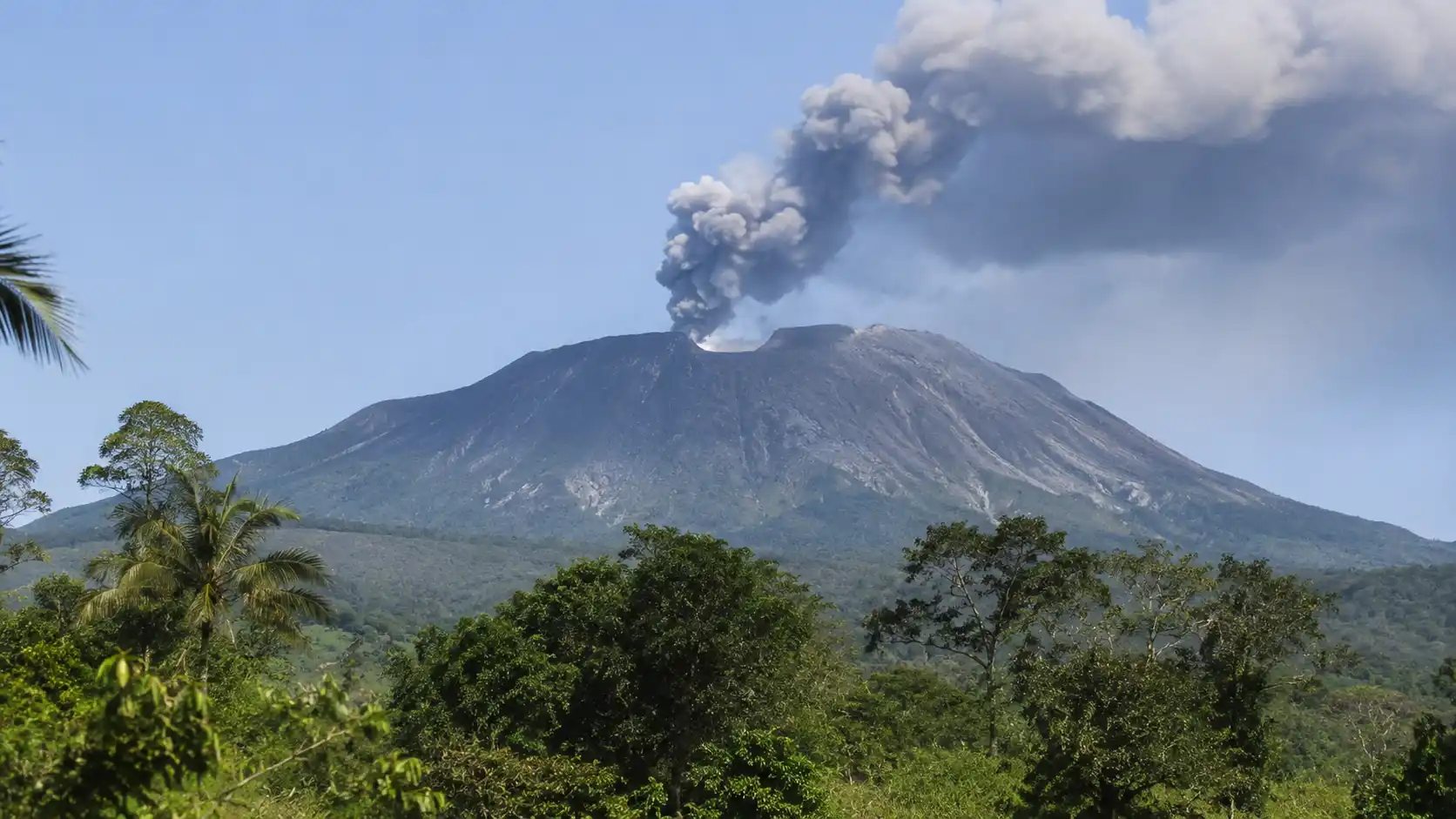
One major cause of Singapore haze is the burning of forests and peatlands in parts of Southeast Asia. Fires may start naturally, but many are linked to human activities, including land clearing and agricultural practices. Peatlands contain layers of partly decayed plant material that can burn underground for long periods. These fires may produce large amounts of smoke and fine particles. When winds carry the smoke toward Singapore, air quality can deteriorate. The problem can become more serious during dry weather, when fires spread easily and rainfall is limited. Preventing these fires is important for protecting both people and natural environments.
Weather conditions also influence how much smoke reaches Singapore. During certain seasonal patterns, winds may carry pollution from Sumatra or other nearby areas toward the island. Dry conditions can increase the risk of fires, while changing winds may shift haze between locations. Rainfall can reduce some smoke and help extinguish fires, although its effects depend on the scale and location of the burning. Singapore haze is therefore not caused by one factor alone. It results from a combination of fire activity, land management, and weather. Understanding these causes helps explain why haze can appear suddenly and why its severity may change throughout the season.
Singapore Haze and Air Quality Levels
Air quality measurements help people understand the seriousness of Singapore haze. Singapore uses the Pollutant Standards Index, commonly called the PSI, to communicate air pollution levels. The index considers several pollutants, including fine particles that can affect breathing. Higher readings indicate poorer air quality and a greater need for precautions. The 24-hour PSI provides an estimate of pollution exposure over a longer period, while hourly PM2.5 readings help show shorter-term changes in fine particle pollution. These measurements serve different purposes, so they should not be treated as interchangeable. Checking both can provide a clearer picture of current conditions.
Air quality can vary by location and time, making regular updates useful during a haze episode. A reading from the morning may not accurately represent conditions later in the day. Residents should also pay attention to official health advice, particularly when pollution levels rise. For example, someone planning an outdoor run may choose an indoor workout if readings worsen. However, a single measurement cannot predict every person’s response to polluted air. Children, older adults, and people with existing health conditions may need extra care. Understanding the PSI and fine particle readings helps people make sensible choices without relying on the sky’s appearance alone.
Health Effects of Singapore Haze
Singapore haze can affect the eyes, nose, throat, and lungs because smoke contains fine particles and other pollutants. Short-term symptoms may include coughing, sneezing, throat irritation, watery eyes, and difficulty breathing. Some people may also experience headaches or unusual tiredness. The effects depend on pollution levels, exposure time, and personal health. Fine particles are especially concerning because they can travel deep into the lungs. People who spend long periods outdoors may receive greater exposure. Although mild symptoms often improve when exposure decreases, serious or persistent breathing problems should not be ignored and may require medical attention.
Certain groups face a higher risk during Singapore haze. These include children, older adults, pregnant people, and individuals with asthma, heart disease, or chronic lung conditions. Haze may worsen existing symptoms and increase the need for medication or medical support. People who notice wheezing, chest tightness, or unusual shortness of breath should reduce exposure and follow their healthcare professional’s advice. Severe breathing difficulty or chest pain requires urgent medical attention. It is also important to remember that not everyone reacts in the same way. A person may feel well even when air quality is poor, so following measured pollution levels remains important.
How to Protect Yourself During Singapore Haze
Protecting yourself during Singapore haze starts with checking air quality before planning outdoor activities. When pollution levels are elevated, reduce strenuous exercise outside and consider exercising indoors instead. Keep windows and doors closed when outdoor air is especially polluted, provided indoor temperatures remain comfortable and ventilation needs are managed safely. Air conditioning with suitable filtration may help reduce indoor particle levels, depending on the system. Avoid smoking and other indoor pollution sources because they can worsen air quality further. These simple steps can lower exposure, especially for people who spend much of their day at home or work.
A well-fitted N95 mask can help reduce exposure to fine particles when used correctly. Ordinary cloth masks and loose-fitting surgical masks generally provide less protection against fine haze particles. However, N95 masks may not be suitable for everyone, including some people with breathing or heart conditions. Anyone who is unsure should seek medical advice. People with asthma should keep prescribed medication available and follow their existing treatment plans. Avoid relying on masks alone when pollution is severe. Reducing outdoor exposure, monitoring air quality, and following public health guidance together provide a more practical approach to staying safe during Singapore haze.
Singapore Haze and Outdoor Activities
Outdoor activities may become less comfortable during Singapore haze, especially when pollution levels increase. Walking, running, cycling, and outdoor sports can raise breathing rates, causing people to inhale more polluted air. Reducing the intensity or duration of exercise can help limit exposure. When air quality reaches unhealthy levels, moving activities indoors is often the safer choice. Schools, sports clubs, and event organizers may also need to adjust outdoor plans according to official guidance. Decisions should reflect current readings and the health needs of participants rather than following a fixed schedule regardless of conditions.
Families can make simple changes to daily routines when haze affects the city. Children may need indoor play options, while older adults may benefit from postponing outdoor errands. Commuters can plan journeys to avoid unnecessary time outside, especially during periods of poor air quality. People who work outdoors should follow workplace safety measures and take suitable breaks where possible. However, there is no single rule that fits every haze episode. Conditions can improve or deteriorate quickly, so checking updated readings is essential. For additional practical advice, readers can explore related guides on [Singapore weather conditions] and [healthy living in Singapore].
How Singapore Responds to Haze
Singapore monitors air pollution and provides public information to help residents understand changing conditions. Air quality readings, health advisories, and announcements can guide decisions about exercise, school activities, and outdoor work. Agencies may also coordinate with regional partners to address fires and reduce transboundary smoke. These efforts matter because haze often begins outside Singapore’s borders, making cooperation essential. Monitoring can help identify worsening conditions, but it does not remove the pollution source. Long-term progress also depends on preventing fires, improving land management, and supporting responsible practices across the region.
Public awareness plays an important role in reducing the effects of Singapore haze. Residents can check official updates, follow health recommendations, and share accurate information with family members. Businesses and schools can prepare indoor alternatives when air quality deteriorates. At a regional level, governments and land managers can work toward better fire prevention and stronger enforcement against illegal burning. These measures address different parts of the problem, from immediate protection to long-term prevention. Although no single action can eliminate haze, coordinated efforts can reduce exposure and limit future fires. Reliable information helps communities respond calmly instead of spreading rumours or outdated warnings.
When Does Singapore Haze Usually Occur?
Singapore haze is often associated with the drier months of the year, when fires in parts of Southeast Asia can spread more easily. The timing and severity vary because rainfall, wind direction, and fire activity change from year to year. Haze is not guaranteed every year, and its arrival cannot be predicted from the calendar alone. Some dry periods pass without major disruption, while other episodes develop quickly when fires increase. Understanding this seasonal pattern helps residents prepare, but checking current air quality remains more useful than assuming that haze will occur during a particular month.
Preparation can begin before conditions worsen. Families may identify indoor exercise options, check air filtration arrangements, and ensure that necessary medication is available. People with respiratory conditions can discuss a haze action plan with their healthcare professional. Employers may review procedures for outdoor work, while schools can prepare alternatives for sports and other activities. These steps do not require residents to assume the worst. Instead, they help people respond quickly if pollution rises. Singapore haze is influenced by changing regional conditions, so flexibility matters. Regular monitoring and practical preparation can reduce stress and make it easier to protect health during smoky periods.
Frequently Asked Questions About Singapore Haze
1. What causes Singapore haze?
Singapore haze mainly results from smoke produced by forest and peatland fires in neighbouring parts of Southeast Asia.
2. Is Singapore haze dangerous?
Yes, haze can irritate the eyes and throat and worsen breathing problems, especially in vulnerable people.
3. How can I check Singapore haze levels?
Check the latest Pollutant Standards Index (PSI) and hourly PM2.5 readings through official local updates.
4. Which mask is best for Singapore haze?
A properly fitted N95 mask can reduce exposure to fine particles when worn correctly.
5. When does Singapore haze usually happen?
Haze is more likely during dry periods, but its timing and severity vary each year.
Conclusion
Singapore haze remains an important environmental and public health concern because smoke can travel across borders and affect daily life. Understanding its causes, air quality measurements, and health effects helps residents make informed decisions. Checking current pollution readings, reducing strenuous outdoor activities, and following official safety advice can lower exposure. Vulnerable people should take additional precautions and seek medical guidance when necessary. However, lasting improvements also require regional cooperation, responsible land management, and effective fire prevention. Staying informed is the best starting point. Explore related guides on Singapore weather, environmental issues, and health protection to prepare for changing conditions and make safer everyday choices.