

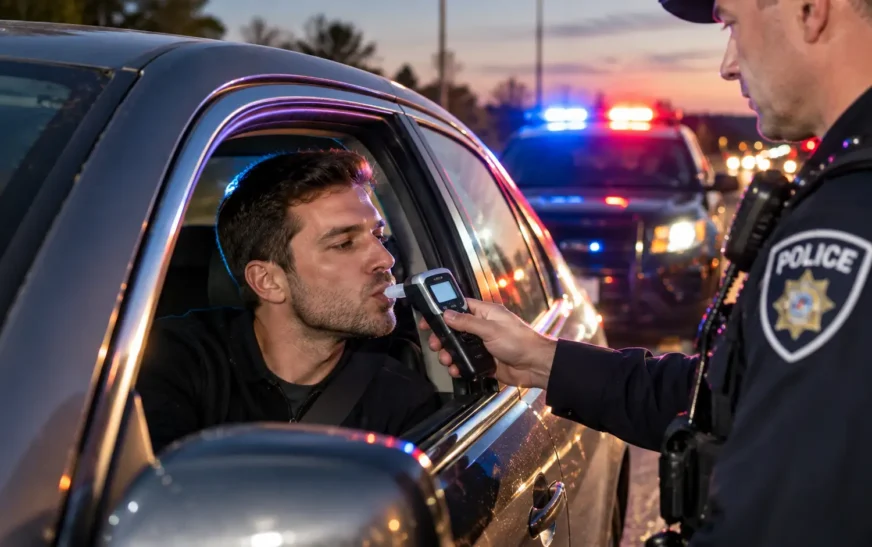
Driving under the influence is a serious road safety issue that affects drivers, passengers, and pedestrians. It happens when someone operates a vehicle after consuming alcohol, drugs, or other substances that affect their ability to drive safely. These substances can slow reactions, reduce attention, and make it harder to judge distance. Even experienced drivers can make dangerous mistakes when their abilities are impaired. Understanding driving under the influence helps people recognize the risks and make responsible choices. Knowing the possible legal consequences is also important because impaired driving can lead to injuries, financial losses, criminal charges, and lasting personal consequences.
What Does Driving Under the Influence Mean?
Driving under the influence refers to operating a motor vehicle while alcohol, drugs, or certain medications affect a person’s ability to drive safely. The exact legal definition depends on the country or state. Some laws focus on alcohol concentration in the blood, while others consider impairment caused by drugs or other substances. A driver may face legal consequences even when they do not appear visibly intoxicated. This is because impairment can affect judgment and coordination before obvious signs become noticeable. Understanding the meaning of driving under the influence helps drivers recognize that safe driving requires full attention, sound judgment, and reliable physical control.
Alcohol is a common cause of impaired driving, but it is not the only one. Illegal drugs, cannabis, some prescription medicines, and certain over-the-counter products may also affect driving ability. These substances can cause sleepiness, blurred vision, slower reactions, or difficulty concentrating. Combining alcohol with medication can increase these effects and create additional risks. However, the impact varies depending on the substance, amount consumed, individual health, and other factors. Drivers should read medication warnings carefully and ask a healthcare professional about possible effects. If a substance may impair driving, the safest choice is to arrange another way to travel.
Common Signs of Driving Under the Influence
Driving under the influence can affect how a person behaves behind the wheel. Common warning signs include drifting between lanes, making sudden turns, braking unpredictably, or responding slowly to traffic signals. A driver may also struggle to maintain a steady speed or follow normal traffic patterns. However, these behaviours do not automatically prove that someone is intoxicated. Fatigue, illness, distraction, and medical conditions can produce similar signs. Drivers who notice these behaviours should keep a safe distance and avoid confronting the person on the road. If the situation presents an immediate danger, contact the appropriate local emergency service.
Other signs of impairment may include slurred speech, poor balance, confusion, delayed reactions, and difficulty following simple instructions. These symptoms can become more noticeable when a person has consumed alcohol or certain drugs. However, it is not always possible to identify impairment through appearance alone. Some people may seem normal while their reaction time and judgment are already affected. This makes driving under the influence particularly dangerous because the driver may believe they are capable of controlling the vehicle. Recognizing the warning signs is useful, but prevention remains more effective than trying to identify an impaired driver after they have started travelling.
How Alcohol and Drugs Affect Driving Ability
Alcohol affects the brain and nervous system, making it harder to perform tasks that require attention and coordination. It can reduce reaction speed, weaken judgment, and make drivers less aware of danger. For example, an impaired driver may fail to notice a pedestrian crossing the road or react too slowly when another vehicle brakes suddenly. Alcohol can also encourage risky decisions, such as speeding or following other vehicles too closely. These effects may occur even when someone does not feel drunk. Driving under the influence therefore creates serious risks for everyone sharing the road, including people who have done nothing wrong.
Drugs and certain medicines can create different types of impairment. Some cause drowsiness, while others may increase confusion, anxiety, or overconfidence. Certain substances can also affect vision, balance, and the ability to judge distances. Combining substances may make their effects stronger or less predictable. For instance, a person who drinks alcohol while taking a medicine that causes sleepiness may become more impaired than expected. The safest approach is to avoid driving whenever a substance may affect concentration or coordination. Understanding these risks helps drivers protect themselves, passengers, cyclists, and pedestrians from preventable road accidents.
Legal Consequences of Driving Under the Influence
The legal consequences of driving under the influence depend on the jurisdiction and the circumstances of the incident. Possible penalties include fines, licence suspension, driving bans, mandatory education programmes, and imprisonment. Some places impose stricter penalties when a driver causes an accident, injures someone, or has previous offences. Police may also conduct roadside checks or use approved testing procedures where local law permits. However, legal rules and testing requirements differ between locations. Anyone facing an impaired-driving allegation should seek qualified legal advice relevant to their jurisdiction. Understanding local laws is important because assumptions based on another country’s rules may be incorrect.
A driving under the influence conviction can create consequences beyond the immediate legal penalty. Drivers may face higher insurance costs, difficulty obtaining certain jobs, and restrictions on their ability to travel or drive. A serious incident can also affect family relationships and financial stability. If someone causes injuries or property damage, additional legal claims may follow. The exact outcome depends on local law, the evidence, and the facts of the case. These possible consequences show why responsible decisions matter before a journey begins. Avoiding impaired driving protects not only road users but also a person’s future opportunities, finances, and personal responsibilities.
How to Prevent Driving Under the Influence
Preventing driving under the influence starts before drinking alcohol or taking a substance that may affect driving. Planning transportation in advance removes the pressure to make unsafe decisions later. People can arrange a sober driver, book a taxi, use suitable public transport, or stay overnight when necessary. If a group attends an event together, agreeing on transportation beforehand can make it easier for everyone to get home safely. The important point is to make the decision before impairment begins. Once someone has consumed an impairing substance, they should not rely on confidence or personal judgment to decide whether driving is safe.
Friends and family can also help prevent impaired driving by offering practical alternatives. If someone intends to drive after drinking, encourage them to hand over their keys and arrange a safe ride. Avoid arguments that could create additional danger, and seek help if the situation becomes threatening. Hosts can support safer choices by discussing transportation plans before an event ends. Employers and community groups can also promote awareness through road safety education. These steps are simple, but they can prevent serious accidents. A culture that treats impaired driving as preventable encourages people to take responsibility for their choices and protect others.
What to Do If You Suspect an Impaired Driver
If you suspect another driver is impaired, focus on protecting yourself and other road users. Keep a safe distance, avoid following too closely, and do not attempt to stop the vehicle yourself. If it is safe to do so, remember useful details such as the vehicle’s colour, type, location, and direction of travel. Contact the appropriate local emergency service when the driver appears to pose an immediate danger. Do not use your phone while driving to report the situation. Instead, pull over safely first or ask a passenger to make the call. Your safety should always remain the priority.
If someone you know may be impaired, encourage them not to drive and offer a practical alternative. You can arrange a sober driver, taxi, or another safe form of transport. If they have already started driving, do not put yourself at risk by attempting a dangerous intervention. When a person appears seriously unwell, confused, or difficult to wake, seek urgent medical assistance. Remember that impairment can result from medication or medical conditions, not only alcohol. Responding calmly and choosing safe options can prevent a dangerous situation from becoming worse. For further reading, explore related guides on [road safety rules] and [preventing traffic accidents].
Frequently Asked Questions About Driving Under the Influence
1. What is driving under the influence?
It means operating a vehicle while alcohol, drugs, or other substances impair safe driving ability.
2. Can you drive after drinking a small amount of alcohol?
Even small amounts can affect driving; the safest choice is not to drive after drinking.
3. What are the penalties for driving under the influence?
Penalties vary by location and may include fines, licence suspension, driving bans, or imprisonment.
4. Can prescription medication cause impaired driving?
Yes, some medicines cause drowsiness, dizziness, or slower reactions that make driving unsafe.
5. How can driving under the influence be prevented?
Plan a sober ride, use public transport, or arrange alternative accommodation before consuming impairing substances.
Conclusion
Driving under the influence is preventable, yet it continues to create serious risks on roads worldwide. Alcohol, drugs, and certain medicines can reduce concentration, slow reactions, and affect judgment. These changes make everyday driving decisions more dangerous and increase the risk of accidents. Understanding the warning signs, legal consequences, and prevention methods helps people make safer choices. Planning transportation before consuming an impairing substance is one of the simplest ways to protect everyone. Never rely on feeling normal to judge whether you are fit to drive. Choose a safe alternative, follow local laws, and help make every journey safer.