
Finding the best air purifier Singapore households need can make indoor living more comfortable. Air pollution, dust, cooking smells, and allergens can affect indoor air quality. Singapore’s warm, humid climate also makes choosing suitable appliances important. However, not every air purifier offers the same performance. Some models focus on dust and allergens, while others target odours and smaller particles. The right choice depends on room size, filtration technology, noise levels, and maintenance costs. This guide explains what to consider before buying an air purifier and how to choose a suitable model for your home.
Why Do Singapore Homes Need an Air Purifier?
Singapore has a tropical climate with warm temperatures and high humidity. People also spend considerable time indoors because of air conditioning. Dust, pollen, pet hair, and cooking particles can collect inside homes. During regional haze episodes, outdoor pollution can also affect indoor air quality. Keeping windows closed may reduce some outdoor particles, but indoor pollutants can still build up. An air purifier helps by drawing room air through filters that capture airborne particles. However, it works best alongside regular cleaning, proper ventilation, and sensible control of indoor pollution sources.
Another reason to consider an air purifier is Singapore’s changing outdoor air conditions. Haze can introduce fine particles called PM2.5 into the surrounding environment. These particles are small enough to remain suspended in the air for extended periods. A suitable purifier with effective particle filtration can help reduce indoor particle levels. Families with pets may also benefit from filtration that captures airborne dander and loose hair. However, an air purifier cannot remove every pollutant or replace medical treatment. Choosing the right equipment starts with understanding your household’s actual indoor air concerns.
Best Air Purifier Singapore: Models Worth Considering
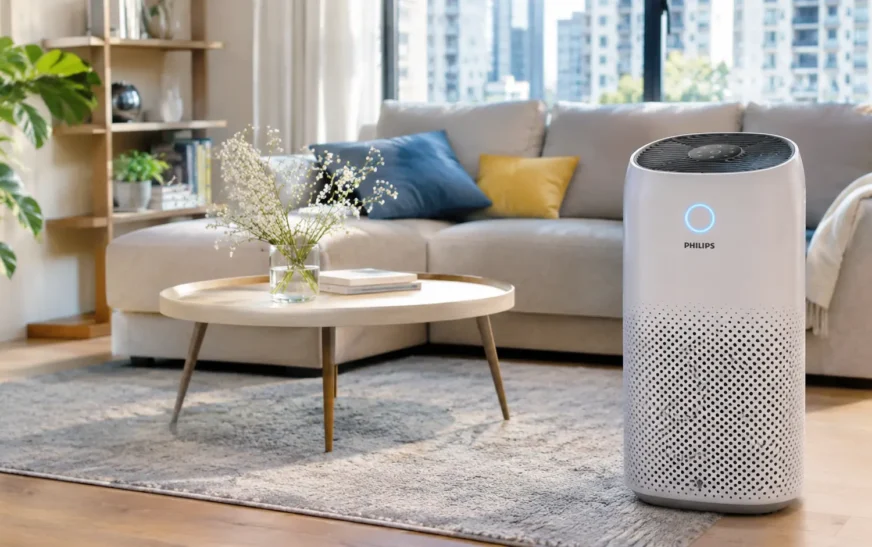
Several established brands offer air purifiers suitable for Singapore households. The Xiaomi Smart Air Purifier 4 Pro is worth considering for larger living areas. Philips PureProtect 3200 offers another option for households seeking premium filtration. Levoit Core 400S combines particle filtration with smart controls. Sharp Purefit FX-S82E includes features designed for households concerned about haze and pets. These models serve different needs, so the most expensive option is not automatically the best. Compare their clean air delivery rates, room recommendations, replacement filters, and noise levels before making your decision.
Here is a simple comparison of models to help narrow your choices. The Xiaomi 4 Pro publishes a particle CADR of 500 cubic metres per hour. Philips PureProtect 3200 publishes 520 cubic metres per hour. Sharp Purefit FX-S82E lists 480 cubic metres per hour, while Levoit Core 400S is another popular smart option. These manufacturer figures should not automatically be treated as identical independent test results. Prices also change with promotions and retailers. Check current Singapore pricing, warranty coverage, and replacement filter availability before purchasing any model. The Best of Singapore+2
How to Choose the Right Air Purifier for Your Room
Room size is one of the most important factors when choosing an air purifier. A small bedroom does not need the same airflow as an open living room. Manufacturers usually provide recommended coverage areas for their products. However, these figures may use different testing conditions. Therefore, compare clean air delivery rate rather than relying only on advertised room coverage. A higher CADR generally means the machine can clean more air within a given period. Measure your room before shopping. Also consider ceiling height because larger room volumes require greater air-cleaning capacity.
For example, a compact bedroom may work well with a smaller purifier. However, an open-plan living and dining area needs stronger airflow. Placing an undersized machine in a large room may produce disappointing results. Some households benefit from using separate purifiers in different rooms instead. This approach allows each machine to clean the space where people spend time. Consider where the appliance will stand and whether furniture blocks its air intake. Always follow the manufacturer’s recommended clearance around the unit. Proper placement helps maintain airflow and supports better everyday performance.
HEPA Filters and Other Important Filtration Technologies
HEPA filtration is an important feature when comparing air purifiers. High-efficiency particulate air filters are designed to capture very small airborne particles. Depending on the filter standard, they can remove dust, pollen, and other particles from passing air. Some manufacturers advertise H13 or H14 filtration grades. However, the filter grade alone does not determine the performance of the complete appliance. Airflow, filter sealing, and overall design also matter. Look for clear filtration specifications and reliable performance information. Avoid choosing a purifier simply because its packaging displays an impressive filtration percentage.
Many air purifiers also include activated carbon filters. These filters help reduce certain household odours and some gaseous pollutants. They can be useful for homes with cooking smells, pets, or other unpleasant indoor odours. Pre-filters capture larger particles, including visible dust and hair, before air reaches the main filter. Some appliances also advertise UV lights or ionisation features. These additional technologies are not essential for every household. Focus first on effective particle filtration, suitable airflow, and manageable maintenance costs. A straightforward purifier with good specifications may offer better value than one with unnecessary extras.
Best Air Purifier for Singapore Haze and PM2.5
Haze is an important consideration when selecting an air purifier in Singapore. Regional smoke can increase the amount of fine particulate matter in outdoor air. PM2.5 refers to particles measuring 2.5 micrometres or smaller. A suitable purifier should have effective particle filtration and enough airflow for your room. If available, compare smoke CADR because it provides useful information about removing smoke particles. Do not assume every advertised CADR measures the same pollutant. Check the manufacturer’s testing information and choose a model designed for your actual room size.
During haze conditions, using an air purifier indoors can help reduce airborne particles. Keep external doors and windows closed when outdoor pollution is high. However, remember that a purifier does not prevent outdoor pollution from entering whenever doors open. Clean its pre-filter regularly and replace the main filter according to manufacturer guidance. You should also monitor local air quality before deciding when to ventilate your home. Avoid relying on fragrance sprays or ionisers as substitutes for particle filtration. A properly sized mechanical filtration system is a sensible choice for managing indoor haze exposure.
Air Purifier Features to Consider Before Buying
Modern air purifiers offer several useful features that improve everyday convenience. An automatic mode uses built-in sensors to adjust fan speed according to detected air conditions. Sleep mode reduces operating noise and dims lights for nighttime use. Some smart models also connect to mobile applications. These apps may display air-quality readings, filter condition, and operating settings. However, advanced features are not necessary for everyone. A basic appliance with effective filtration can still perform its main purpose. Consider whether additional controls genuinely improve your daily experience before paying extra.
Noise is another important consideration, especially when buying an air purifier for bedrooms. Powerful machines can become noticeable when operating at higher fan speeds. Check the published noise levels at different settings rather than looking only at sleep mode specifications. Energy consumption also deserves attention because many households operate purifiers for several hours daily. A timer can help manage operating periods, while a filter replacement indicator makes maintenance easier. If you share your home with children or pets, consider appliance stability and accessible controls. These small details can make everyday use more convenient.
Air Purifier Maintenance and Replacement Filter Costs
Buying an air purifier is only the beginning of its ownership costs. Most models require replacement filters after a certain period. The replacement schedule depends on the manufacturer’s recommendations, operating hours, and indoor pollution levels. Some filters last longer under normal conditions but may need earlier replacement in dusty environments. Check the availability and price of genuine replacement filters before purchasing. An affordable machine may become expensive if its filters are difficult to find. Comparing long-term maintenance costs helps you make a more informed purchasing decision.
Regular cleaning also helps maintain an air purifier’s performance. Many models have washable or cleanable pre-filters that collect larger particles. Follow the manufacturer’s instructions because not every filter can be washed. Never rinse a HEPA filter unless its manufacturer specifically permits it. Keep air intake and outlet areas free from dust and furniture. Replace filters when required, even if the appliance still appears to work normally. A clogged filter can restrict airflow and reduce cleaning performance. Proper maintenance helps your appliance operate efficiently throughout its expected service life.
How Much Should You Spend on an Air Purifier in Singapore?
Air purifier prices in Singapore vary depending on brand, filtration technology, and room coverage. Budget models are suitable for smaller bedrooms and basic everyday cleaning. Mid-range appliances often provide stronger airflow, automatic sensors, and smart controls. Premium models may include advanced filtration systems, quieter operation, or additional convenience features. However, spending more does not always guarantee better air cleaning. Compare actual performance specifications before deciding. Set a realistic budget that includes the appliance, replacement filters, and electricity consumption. This helps prevent unexpected expenses after your purchase.
Before buying, compare prices from different Singapore retailers and check warranty conditions. Some appliances become more affordable during seasonal promotions and major shopping events. However, avoid choosing an unfamiliar model simply because its price looks attractive. Check whether replacement filters are available locally and whether the seller provides proper after-sales support. Read customer feedback carefully, especially comments about noise, filter availability, and long-term reliability. You can also explore our related guides on [home cleaning tips] and [improving indoor air quality]. These resources can help you maintain a cleaner and more comfortable living environment.
Frequently Asked Questions About the Best Air Purifier Singapore
1. Which is the best air purifier in Singapore?
Xiaomi, Philips, Levoit, and Sharp offer several suitable options for different room sizes and budgets.
2. Is an air purifier necessary in Singapore?
It can help reduce indoor dust, allergens, and airborne particles, particularly during haze periods.
3. Which air purifier is best for haze?
Choose a model with effective particle filtration, sufficient airflow, and suitable smoke CADR.
4. How often should I replace an air purifier filter?
Replacement frequency depends on the model, usage, and pollution levels. Follow manufacturer recommendations.
5. Can I leave my air purifier running overnight?
Yes, most models support continuous operation. Use sleep mode for quieter nighttime performance.
Conclusion
Choosing the best air purifier Singapore households need depends on room size, indoor air concerns, and budget. Xiaomi, Philips, Levoit, and Sharp offer options worth comparing. However, always prioritise effective filtration, suitable CADR, and affordable replacement filters. Consider noise levels and maintenance requirements before making your final decision. For households concerned about haze, a properly sized purifier with effective particle filtration is particularly useful. Remember that regular cleaning and sensible ventilation also support better indoor air quality. Compare your options carefully and choose an appliance that suits your home and everyday lifestyle.