
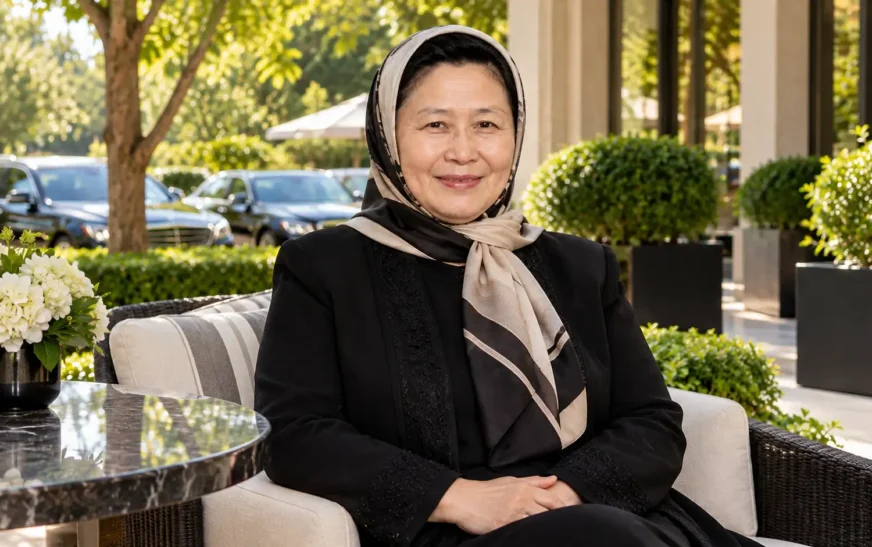
Margaret Chung was a pioneering Chinese American physician who made history through her medical career and community service. Born in 1889, she became one of the first Chinese American women doctors in the United States. Her journey was remarkable because she entered medicine during a period when women and Asian Americans faced serious discrimination. Despite these challenges, Margaret Chung built a respected career and became known for supporting military personnel during World War II. Her life reflects determination, professional achievement, and a commitment to helping others. Understanding her story offers valuable insight into the history of American medicine and women’s progress.
Who is Margaret Chung?A brief biography
| Field | Details |
|---|---|
| Full Name | Margaret Jessie Chung |
| Popular Name | Mom Chung |
| Date of Birth | October 2, 1889 |
| Age | 69 years at the time of her death |
| Birthplace | Santa Barbara, California, United States |
| Nationality | American |
| Profession | Physician, Surgeon, Philanthropist |
| Education | University of Southern California |
| Medical Degree | Doctor of Medicine (MD), 1916 |
| Known For | Being the first known American-born Chinese woman physician |
| Medical Specialty | Surgery |
| Career Start | 1916 |
| Major Contribution | Helped establish one of the first Western medical clinics in San Francisco’s Chinatown |
| World War II Contribution | Supported thousands of American military personnel |
| Nickname Origin | Servicemen affectionately called her “Mom Chung” |
| Military Advocacy | Helped promote the creation of WAVES, the women’s branch of the U.S. Naval Reserve |
| Parents | Chung Wong and Ah Yane |
| Siblings | Eldest of 11 children |
| Date of Death | January 5, 1959 |
| Place of Death | San Francisco, California, United States |
| Legacy | A pioneer in American medicine and Chinese American history |
Who Was Margaret Chung?
Margaret Jessie Chung was born on October 2, 1889, in Santa Barbara, California. Her parents were Chinese immigrants, and she grew up in a family shaped by the experiences of Chinese Americans during a period of widespread prejudice. From an early age, she pursued education and worked toward a career that would allow her to serve others. Her achievements were especially significant because women from minority backgrounds faced additional barriers in professional fields. Rather than allowing these obstacles to define her future, Chung continued working toward her goals and eventually established herself as a physician.
Margaret Chung became widely recognized for her work in medicine and her relationships with members of the American military. She developed a reputation for caring for people and offering practical support beyond the traditional doctor’s office. During World War II, her home and social circle became a source of encouragement for many servicemen. She was sometimes affectionately called a mother figure by the people she supported. Her story is not only about professional success but also about the personal connections she built throughout her life. These qualities helped make her an important figure in discussions of medical history and community leadership. Read more : Pickleball Paddle
Margaret Chung’s Early Life and Education
Margaret Chung grew up in California at a time when Chinese American families often experienced social discrimination and limited opportunities. Her parents had moved to the United States in search of better prospects, and their experiences formed part of the environment in which she developed. Education became an important path toward independence and professional achievement. Chung pursued her studies with determination, eventually choosing medicine as her career. Her decision was ambitious because medical training was demanding, and women still faced considerable resistance in many professional institutions. Her early experiences helped shape the persistence that later became an important part of her story.
Chung attended the University of Southern California, where she studied medicine and earned her medical degree in 1916. Becoming a physician required years of demanding study, practical training, and dedication to patient care. Her achievement was particularly notable because she entered a profession where women remained underrepresented and Asian Americans encountered prejudice. Medical education gave her the knowledge needed to build a professional career and serve patients. It also placed her among women who were gradually expanding opportunities in American medicine. Her educational journey provides an important starting point for understanding the professional accomplishments that followed.
Margaret Chung’s Medical Career
After completing medical school, Margaret Chung pursued clinical work and developed her skills as a physician. Finding suitable opportunities was not always easy because discrimination affected where Asian American professionals could work. Nevertheless, she continued building her medical experience and eventually established a practice in San Francisco. Her work focused on caring for patients and providing medical assistance to people who needed it. At a time when women doctors often had to overcome doubts about their abilities, her professional commitment helped establish her reputation. Her career demonstrates how determination and practical skill could create opportunities despite serious social and institutional barriers.
Chung became especially associated with San Francisco’s Chinese American community and its broader social networks. Her medical practice allowed her to contribute to people’s well-being while developing relationships across different backgrounds. She was known for her energetic personality and willingness to help people beyond ordinary professional expectations. These qualities later became closely connected with her support for military personnel. Her career should also be understood within the wider history of women in medicine, when female physicians were steadily challenging traditional expectations. Readers interested in this period can explore a related internal article about pioneering women in medical history to learn how other physicians helped expand professional opportunities.
Margaret Chung and Her Work in San Francisco
In 1922, Margaret Chung moved to San Francisco and opened a medical clinic in Chinatown. She wanted to provide care to Chinese American patients, particularly women who needed access to medical services. At the time, some local residents were unfamiliar with Western medical treatment and viewed her with suspicion. As a young Chinese American woman physician, she faced challenges that many male doctors did not experience. Nevertheless, she continued building her practice and developed relationships with patients from different communities. Her clinic became an important part of her professional journey and demonstrated her commitment to making medical care more accessible.
Chung also treated patients connected with the entertainment industry and became known among people outside Chinatown. Her medical work helped her establish a wider professional network, which later played a role in her public life. She was known for her direct personality, independence, and willingness to challenge traditional expectations. These qualities sometimes made her stand out in social settings, but they also helped her build meaningful connections. Her experience in San Francisco shows that her influence extended beyond medicine. She became a recognizable figure whose work brought together people from different backgrounds during a period of significant social change.
Why Was Margaret Chung Called Mom Chung?
Margaret Chung became known as Mom Chung because she developed close relationships with American servicemen during the years leading up to World War II. She welcomed military personnel into her home, shared meals with them, and offered encouragement during difficult times. Many of these men considered her a substitute mother while serving far from their families. Her home became a gathering place where servicemen could relax and enjoy a sense of belonging. The nickname reflected the caring relationship she developed with them, although her influence went beyond traditional family roles and included social connections and support for military activities.
Her informal family grew to include more than a thousand servicemen, including pilots, sailors, and other military personnel. She sent letters and care packages to those serving away from home and maintained connections with many of them. Her weekly dinners also brought together people from military, political, and entertainment circles. These gatherings helped create a broad network that strengthened her public influence. The story of Mom Chung reveals a different side of her life, showing how personal kindness and strong relationships could become meaningful forms of support during wartime. Her reputation grew because she combined practical help with genuine personal attention.
Margaret Chung’s Role During World War II
During World War II, Margaret Chung used her connections to support the Allied war effort. She helped military personnel maintain morale through correspondence, gifts, and social gatherings. Her relationships with pilots and other servicemen also connected her to wider wartime networks. Chung had previously expressed interest in serving as a surgeon during the conflict between China and Japan, but her involvement developed in other ways. She supported military efforts through personal assistance and recruitment connections. Her activities demonstrate that contributions to wartime service were not limited to people serving directly on the battlefield or holding official military positions.
One of Chung’s most important efforts involved advocating for women’s participation in the United States Navy. She used her personal connections and influence to support the creation of WAVES, the women’s naval reserve established in 1942. This organization gave women opportunities to serve in important naval roles during the war. Despite her involvement in promoting women’s service, Chung herself was not accepted into the organization. Historical accounts connect this rejection with discrimination related to her race and sexuality. Her experience highlights the gap between helping expand opportunities for others and receiving equal treatment herself.
Margaret Chung’s Personal Life and Identity
Margaret Chung lived during a period when expectations about women’s appearance, relationships, and professional roles were often restrictive. She challenged several of these expectations through her clothing, personality, career, and independent lifestyle. During medical school, she sometimes wore masculine clothing and used the nickname Mike. Her choices attracted attention in a society that often expected women to follow narrow standards of behavior. Rather than fitting comfortably into traditional roles, Chung developed her own public identity. Understanding this part of her life helps explain why she was considered an unusual and influential figure in both professional and social circles.
Chung never married, and historical research has documented her close relationships with women, including writer Elsa Gidlow and entertainer Sophie Tucker. However, her personal identity should be discussed with care because historical labels do not always capture how individuals understood themselves. Her life took place during a time when same-sex relationships and gender nonconformity could lead to serious social consequences. These pressures influenced how people presented themselves publicly and privately. Her story offers insight into the experiences of women who challenged social expectations while building careers. It also adds important context to her achievements as a Chinese American physician and wartime community figure.
Margaret Chung’s Death and Lasting Legacy
Margaret Chung died in San Francisco on January 5, 1959, at the age of 69. Her death marked the end of a life shaped by medical service, community involvement, and wartime support. Although she had achieved considerable recognition during her lifetime, her story later became less familiar to many members of the public. Her experiences remain important because they show how individual determination can challenge barriers connected with race and gender. Her career also demonstrates that professional success can take different forms, from treating patients to supporting communities and influencing public policy.
Today, Margaret Chung is remembered as a pioneering Chinese American woman physician and an important figure in the history of women in medicine. Her efforts to support servicemen and advocate for women’s military service added another dimension to her legacy. She also helped expand public understanding of the challenges faced by Asian American professionals in the early twentieth century. Readers interested in her historical importance may also explore related internal articles about Asian American pioneers and women who changed American history. Her story remains a useful reminder that courage, compassion, and persistence can create lasting change.
Frequently Asked Questions About Margaret Chung
1. Who was Margaret Chung?
Margaret Chung was a pioneering Chinese American physician known for her medical career and wartime support for American servicemen.
2. When was Margaret Chung born?
Margaret Chung was born on October 2, 1889, in Santa Barbara, California.
3. Why was Margaret Chung called Mom Chung?
Servicemen gave her the nickname because she welcomed them into her home and supported them like a mother.
4. What was Margaret Chung known for during World War II?
She supported servicemen and advocated for the creation of the Navy’s women’s reserve, known as WAVES.
5. When did Margaret Chung die?
Margaret Chung died on January 5, 1959, in San Francisco, California, at the age of 69.
Conclusion
Margaret Chung made history through her medical achievements, community service, and support for American servicemen during World War II. As a Chinese American woman physician, she overcame barriers that limited opportunities for many women and minority professionals. Her work in San Francisco helped establish her reputation, while her relationships with servicemen earned her the lasting nickname Mom Chung. She also supported greater opportunities for women in military service. Although her life included significant personal and professional challenges, her achievements remain meaningful today. Learning about Margaret Chung helps readers understand the importance of representation, resilience, and compassionate leadership in shaping American history.