

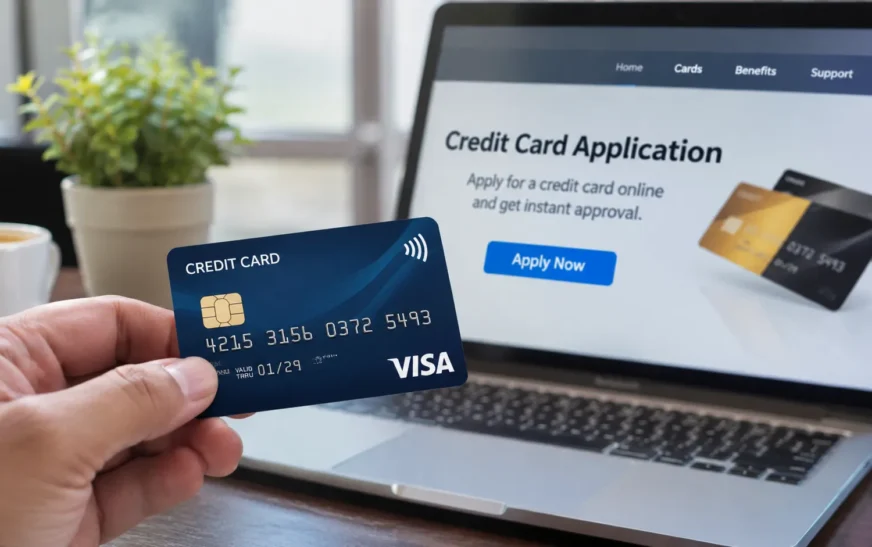
A credit card can make everyday payments easier and help you manage short-term expenses. Whether you want to shop online, pay household bills, or handle unexpected costs, choosing the right credit card matters. Today, many banks allow customers to complete a credit card apply online process without visiting a branch. However, understanding the application requirements, interest charges, repayment rules, and available benefits is essential before applying. This guide explains how credit cards work, what you need to qualify, and how to submit an application. It also shares practical tips to help you compare options and manage your credit responsibly.
What Is a Credit Card?
A credit card is a payment card issued by a bank or financial institution. It allows an approved customer to borrow money up to a specified credit limit when making purchases or paying for eligible services. Instead of paying directly from a bank account, you use the lender’s available credit and repay the amount later. Your monthly statement usually shows purchases, fees, payments, and the outstanding balance. Depending on the card agreement, you may receive an interest-free period when you pay the eligible statement balance in full by the due date. Exact terms vary between providers.
Credit cards can be used for shopping, online subscriptions, travel bookings, and other permitted transactions. Some cards also offer cashback, reward points, discounts, or travel-related benefits. However, these features differ by issuer and may include conditions or annual fees. A credit card is not free money because every purchase creates a repayment obligation. If you carry an unpaid balance, interest and other charges may apply. Cash withdrawals can also have different fees and interest rules from regular purchases. Before choosing a card, review the agreement carefully and make sure its repayment requirements fit your budget.
How Does a Credit Card Work?
When you pay with a credit card, the issuer covers the eligible transaction and adds the amount to your account balance. Your available credit decreases as you spend and increases when payments are processed. For example, if your credit limit is $2,000 and you spend $300, your remaining available credit will generally be $1,700, assuming no other transactions or fees. The issuer sends a statement according to its billing cycle. This statement explains how much you owe, the minimum payment, and the deadline for making your payment.
Paying the full statement balance by the due date can help you avoid purchase interest when your card provides an interest-free period and you meet its conditions. Paying only the minimum amount may keep the account current, but interest can increase the cost of borrowing. Missed payments may also lead to late fees and harm your credit history, depending on the provider and local reporting rules. Therefore, track your purchases and plan repayments before spending. Setting payment reminders or automatic payments can help you avoid missed deadlines. Always keep enough money available to cover your statement balance.
How to Apply for a Credit Card Online
A credit card apply online process usually begins with choosing a bank or financial institution and selecting a suitable card. Visit the provider’s official application channel and review the card’s eligibility rules, fees, interest rates, and benefits. Next, complete the application form with accurate personal, employment, and financial information. Depending on the provider, you may need to enter your income, residential address, contact details, and identification information. Read every section carefully before submitting the form. Giving complete and accurate information helps the issuer assess your application and reduces the risk of delays caused by missing details.
After submitting your credit card application online, the issuer may request documents or additional information. Common requirements include proof of identity, income documents, and evidence of your address, although exact requirements differ. The bank may also review your existing financial commitments and credit history where applicable. Some applications receive a quick decision, while others require further checks. Approval is not guaranteed, even when the form is completed correctly. If your application is approved, the issuer will explain your credit limit, agreement terms, and card delivery or activation process. Read these details before using your new card.
Credit Card Eligibility and Required Documents
Credit card eligibility depends on the issuing bank, the type of card, and the applicant’s financial circumstances. Most providers set a minimum age and may require applicants to have a regular income or meet specific employment conditions. They can also consider existing debts, repayment history, and other affordability factors. Premium cards may have higher income requirements than basic cards. Requirements differ between countries and financial institutions, so there is no single eligibility standard that applies everywhere. Before starting an application, check the provider’s rules to understand whether the card suits your current financial situation.
Applicants may need to provide a government-issued identity document, proof of address, and evidence of income. Depending on employment status, acceptable income evidence may include salary slips, bank statements, or tax documents. Self-employed applicants might need different records to demonstrate their earnings. Some banks allow digital document uploads during the application, while others request additional verification later. Make sure the information is readable, current, and consistent with your application. Never send sensitive financial documents through unverified websites or suspicious messages. Use the bank’s official application channel and contact its customer support if you are unsure which documents are required.
Benefits of Using a Credit Card
A credit card can offer convenience because it lets you make eligible payments without carrying cash. It may also help you manage the timing of purchases, provided you have a reliable plan to repay the balance. Many issuers offer transaction alerts, spending summaries, and account controls that make it easier to monitor activity. Some cards provide rewards, cashback, discounts, or travel benefits on qualifying purchases. These features can be useful when they match your regular spending habits. However, rewards should not encourage unnecessary purchases, and their value should always be compared with any annual fees or other charges.
Another potential benefit is building a credit history through responsible use, where the issuer and local credit reporting system report relevant account activity. Making payments on time and keeping borrowing within a manageable level can support a stronger credit profile over time. However, a credit card does not automatically improve your credit score. Missed payments, high balances, and repeated applications may create problems, depending on the scoring system used. Credit history rules differ across countries and lenders. If you want to understand borrowing better, explore our guide to credit scores and our personal budgeting guide before making decisions about new credit.
Types of Credit Cards Available
Credit cards come in several types, each designed for different spending needs. Standard cards generally provide basic payment facilities, while rewards cards offer points or other benefits on eligible purchases. Cashback cards return a percentage of qualifying spending, subject to their terms. Travel cards may include travel rewards, foreign transaction features, or other travel-related benefits. Some issuers also offer secured credit cards backed by a refundable deposit. These can be an option for certain applicants who have limited credit history, depending on the provider. Comparing features helps you identify a card that suits your spending habits and financial circumstances.
Choosing a card requires looking beyond its advertised benefits. A rewards card may be less suitable if its annual fee outweighs the value of the rewards you earn. Similarly, a travel card may not be useful if you rarely travel or its foreign transaction charges are high. Compare the interest rate, annual fee, late payment charges, credit limit, and reward conditions before deciding. Consider whether the card supports your actual needs rather than a lifestyle you hope to maintain. If you usually carry a balance, borrowing costs may matter more than rewards. A simple, low-cost card may be the better option.
Credit Card Fees, Interest, and Hidden Costs
Understanding credit card costs is essential before submitting an application. Depending on the card, charges may include an annual fee, interest on unpaid balances, late payment fees, cash advance fees, and foreign transaction charges. Some cards also have balance transfer fees or special conditions for promotional offers. The exact amounts depend on the issuer and agreement. A card advertised as having no annual fee may still charge interest or other transaction fees. Read the full fee schedule rather than relying on promotional headlines. Knowing these costs in advance helps you compare cards fairly and avoid unpleasant surprises later.
Interest is particularly important when you cannot repay your full statement balance. If interest applies, the amount you owe can grow as charges accumulate. Cash advances may begin accruing interest immediately and can involve additional fees. Promotional interest rates may also expire or apply only to specific transactions. Before accepting an offer, check how long the rate lasts and what happens afterward. If you already have credit card debt, avoid adding new spending until you understand your repayment options. Creating a realistic budget and paying more than the minimum when possible can reduce borrowing costs and help you regain control of your finances.
Tips for Managing Your Credit Card Responsibly
Responsible credit card use begins with spending only what you can reasonably afford to repay. Set a monthly budget and include card purchases alongside rent, utilities, groceries, savings, and other commitments. Review transactions regularly to identify mistakes or suspicious activity. Paying the full statement balance by the due date is generally a good habit when your card terms allow interest-free purchases. If you cannot pay the full amount, make at least the required payment on time and create a plan to reduce the remaining balance. Avoid treating your credit limit as an extension of your income.
Security is another important part of managing a credit card. Never share your PIN, password, or one-time verification code with another person. Use strong account passwords and enable transaction alerts when available. When shopping online, check that the merchant and payment page are legitimate before entering card details. If you notice an unfamiliar transaction, contact your card issuer promptly through its official support channel. Keep your card information private and review your statements for errors. These simple habits can reduce the risk of fraud and help you maintain better control over your account.
Frequently Asked Questions
1. How Can I Apply for a Credit Card Online?
Choose a suitable card, check eligibility, complete the issuer’s official application form, and submit the required documents.
2. What Documents Are Required for a Credit Card?
Common requirements include identity proof, address details, and income documents, depending on the issuer.
3. Can I Apply for a Credit Card Without a Salary?
Some issuers consider alternative income sources, but eligibility depends on their requirements and your financial circumstances.
4. How Long Does Online Credit Card Approval Take?
Approval times vary; some applications receive quick decisions, while others require additional verification.
5. Is It Safe to Apply for a Credit Card Online?
Yes, when you use the issuer’s verified official website, protect your personal information, and avoid suspicious links.
Conclusion
A credit card can provide convenient payments, useful benefits, and an opportunity to build credit history when managed responsibly. Before you apply, compare available cards, review eligibility requirements, and understand interest rates and fees. The credit card apply online process can save time, but submitting an application does not guarantee approval. Choose a card that matches your income, spending habits, and repayment ability rather than focusing only on rewards or a high credit limit. Most importantly, pay on time, monitor your transactions, and avoid unnecessary borrowing. With careful planning, a credit card can become a useful part of your financial routine.