
The tallest building in Singapore reflects the city’s modern skyline, impressive architecture, and economic growth. Singapore is famous for its beautiful waterfront, busy business districts, and remarkable skyscrapers. These buildings attract visitors, professionals, and architecture enthusiasts from around the world. If you want to discover the tallest building in Singapore, understanding its height, location, design, and purpose is a great place to start. The city’s skyline combines modern offices with historic landmarks and attractive residential towers. Exploring these structures also helps visitors understand how Singapore uses limited land while creating an efficient and visually impressive urban environment.
What Is the Tallest Building in Singapore?
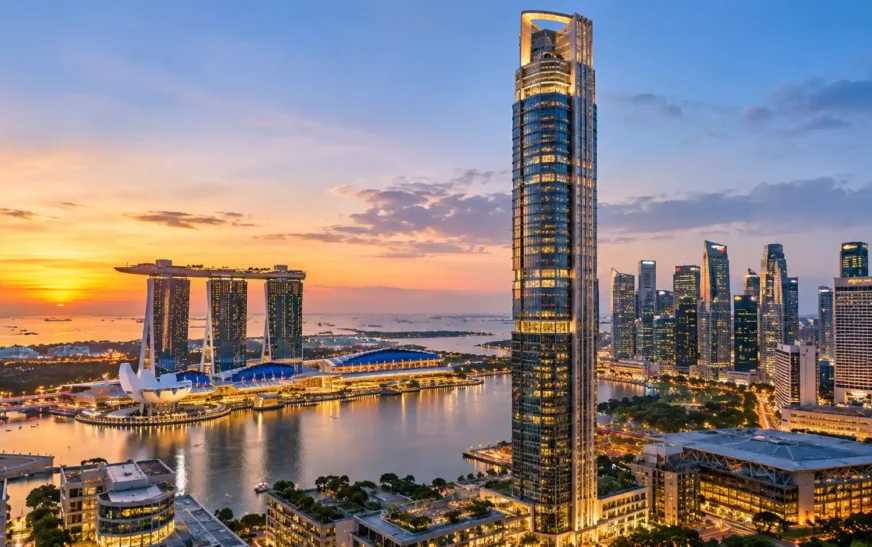
As of 2026, the tallest building in Singapore is Guoco Tower, a striking skyscraper in the Tanjong Pagar district. It reaches approximately 290 metres and stands among the country’s most recognizable modern buildings. Completed in 2016, this impressive tower transformed the surrounding business district with its contemporary design and mixed-use development. Guoco Tower combines office spaces, residential accommodation, a hotel, and retail facilities within one major development. Its central location makes it an important part of Singapore’s commercial landscape. The tower also demonstrates how modern buildings can support different activities while making efficient use of valuable urban land.
Guoco Tower is especially important because Singapore generally applies a building height limit of around 280 metres in many central areas. This restriction is connected to aviation safety requirements near the city. However, certain developments can receive special approval to exceed the usual limit. Guoco Tower reaches approximately 290 metres, making it a notable exception in Singapore’s skyline. Its height gives it a strong visual presence among nearby office towers. For visitors, the building offers an interesting example of how planning rules, architectural ambitions, and practical city requirements influence the development of Singapore’s tallest structures.
Where Is the Tallest Building in Singapore Located?
Guoco Tower is located at 1 Wallich Street in Tanjong Pagar, within Singapore’s Central Business District. The surrounding area is known for its offices, restaurants, residential developments, and convenient public transportation. Its location makes the building accessible to workers, residents, and visitors exploring the city centre. Tanjong Pagar also combines modern commercial spaces with traditional shophouses and established neighbourhood businesses. This contrast gives the district a distinctive character. Anyone interested in Singapore’s architecture can explore the area to see how contemporary skyscrapers fit into a neighbourhood with a long urban history.
Reaching Guoco Tower is relatively straightforward because the development connects directly with Tanjong Pagar MRT station. Visitors can use Singapore’s efficient rail network to reach the surrounding business district without needing a private vehicle. Several bus services also operate in the area, providing additional transport options. Nearby streets offer restaurants, cafes, shops, and places to explore between meetings or sightseeing activities. If you are planning a visit, consider combining the tower’s surroundings with a walk through the historic Tanjong Pagar neighbourhood. This approach provides a broader understanding of Singapore’s changing skyline and its relationship with older city districts.
Architectural Design of Singapore’s Tallest Building
The architectural design of Guoco Tower combines modern styling with practical features for a busy urban environment. Its tall, elegant structure creates a prominent landmark within Singapore’s financial district. The development includes several connected uses, allowing people to work, live, shop, and stay in the same general location. This approach is known as mixed-use development. It can reduce the need for separate buildings for different activities and help create a more active neighbourhood. The tower’s contemporary appearance also reflects Singapore’s emphasis on carefully planned urban growth, efficient land use, and internationally competitive commercial infrastructure.
Another important feature is the development’s relationship with the surrounding public spaces. Instead of functioning only as an office tower, Guoco Tower forms part of a larger urban environment with retail facilities, residential accommodation, and hospitality services. These different uses help the building serve a wider community throughout the day. Office workers visit during business hours, while residents and hotel guests use the surrounding facilities at different times. Such developments can encourage activity around transport stations and commercial streets. Guoco Tower therefore illustrates how skyscraper design involves more than height alone; it also requires thoughtful planning for everyday urban life.
What Can You Find Inside Guoco Tower?
Guoco Tower is a mixed-use development, so it contains several types of spaces rather than serving a single purpose. Its office floors accommodate businesses and professionals working in Singapore’s commercial centre. The development also includes residential accommodation, a hotel, and retail areas. These facilities serve people with different needs, from employees attending meetings to travellers looking for accommodation. Bringing these functions together makes the property an important part of the surrounding district. However, access arrangements vary by facility, and some areas are reserved for residents, hotel guests, employees, or customers with specific business at the premises.
The retail and hospitality components also contribute to the building’s everyday activity. Visitors can explore available shops, dining options, and nearby public spaces while experiencing the modern atmosphere of Tanjong Pagar. The hotel provides accommodation for travellers who want to stay near the business district, while residential spaces support people living close to their workplaces. Office tenants benefit from access to transport and nearby services. These different uses show why major developments increasingly combine commercial and lifestyle facilities. Before visiting a particular shop, restaurant, or hotel, check its current operating information because individual businesses may have different opening hours and access requirements.
Why Is Guoco Tower Important to Singapore?
Guoco Tower is important because it represents Singapore’s ability to develop modern commercial spaces within a densely populated city. Land is limited, so tall buildings help accommodate businesses and other activities without spreading development across increasingly large areas. By combining offices, residences, hospitality, and retail, the tower makes efficient use of a central location. Its position near public transportation also supports convenient access for many people. These features reflect broader urban planning goals that encourage connected neighbourhoods and accessible services. The building is therefore significant not only for its height but also for its contribution to Singapore’s business environment.
The tower also strengthens Singapore’s reputation as an international business destination. Modern offices, reliable transport connections, and nearby services can help companies attract employees and serve clients. At the same time, residential and hospitality facilities bring different groups of people into the district. This creates opportunities for nearby restaurants, shops, and other businesses. Guoco Tower’s distinctive design also adds to the city’s architectural identity. Although height alone does not determine a building’s importance, this skyscraper demonstrates how architecture, investment, and planning can work together. Its development provides a useful example of Singapore’s approach to creating functional and visually impressive urban spaces.
Tallest Building in Singapore Compared With Other Skyscrapers
Singapore has several impressive skyscrapers, but Guoco Tower stands out because of its height. Other well-known buildings in the city include One Raffles Place, Republic Plaza, and the United Overseas Bank Plaza developments. Many of these towers reach approximately 280 metres, reflecting the height restrictions that have influenced the Central Business District. Guoco Tower rises above that general level, reaching around 290 metres. These differences may appear small when measured against the height of the buildings themselves. However, even a modest increase can make a skyscraper more noticeable when viewed among neighbouring towers in a densely developed city centre.
Comparing skyscrapers also requires looking beyond their measurements. Some buildings are known for their distinctive architecture, while others stand out because of their business functions, historical importance, or location. Guoco Tower combines a prominent height with mixed-use facilities, making it different from towers primarily designed for offices. One Raffles Place and Republic Plaza are also significant parts of Singapore’s commercial skyline. Together, these buildings create a recognizable collection of high-rise structures. If you enjoy learning about architecture, you can also explore our related guides to Singapore’s famous landmarks, modern city attractions, and best places to visit in Singapore for a wider view of the city.
Best Time to Explore Singapore’s Skyline
Singapore’s skyline can be enjoyed throughout the year, although weather conditions may affect visibility. Clear mornings often provide good opportunities to photograph skyscrapers, while late afternoons can offer attractive natural light. After sunset, illuminated buildings create a different atmosphere across the Central Business District. Visitors can admire the skyline from public areas around the city, including waterfront promenades and nearby streets. These locations provide opportunities to appreciate the buildings without needing access to private offices or residential floors. If you plan to take photographs, allow enough time to explore different viewpoints and capture the contrast between modern towers and surrounding city landmarks.
When planning a skyline visit, consider Singapore’s warm, humid climate and frequent tropical showers. Carry drinking water, wear comfortable footwear, and bring an umbrella if rain is expected. Public transportation is often the easiest way to travel between different viewing locations. Remember that Guoco Tower is primarily a mixed-use commercial development rather than a dedicated public observation tower. Its upper floors are not automatically open to general visitors. For a wider city view, investigate established attractions that advertise public viewing facilities. You can also read our guide to Singapore’s best photography spots to discover suitable locations for capturing the city’s architecture.
Frequently Asked Questions
What is the tallest building in Singapore?
Guoco Tower is the tallest building in Singapore, reaching approximately 290 metres.
How many floors does Guoco Tower have?
Guoco Tower has approximately 64 storeys above ground, depending on how floors are counted.
When was Guoco Tower completed?
Guoco Tower was completed in 2016 and became a prominent feature of Singapore’s skyline.
Where is Guoco Tower located?
Guoco Tower is located at 1 Wallich Street in Singapore’s Tanjong Pagar district.
Can tourists visit the top of Guoco Tower?
Guoco Tower is not a general public observation tower, so access to upper floors is restricted.
Conclusion
The tallest building in Singapore, Guoco Tower, is an impressive example of modern architecture and thoughtful urban planning. Standing approximately 290 metres tall, it dominates the surrounding Tanjong Pagar district and contributes to Singapore’s distinctive skyline. Its combination of offices, residential accommodation, hospitality, and retail facilities makes it more than just a tall structure. The tower also demonstrates how Singapore uses limited land to support business and everyday life. Whether you enjoy architecture, photography, or city exploration, Guoco Tower is worth learning about. Explore our other Singapore travel guides to discover more landmarks and attractions across this fascinating city.