
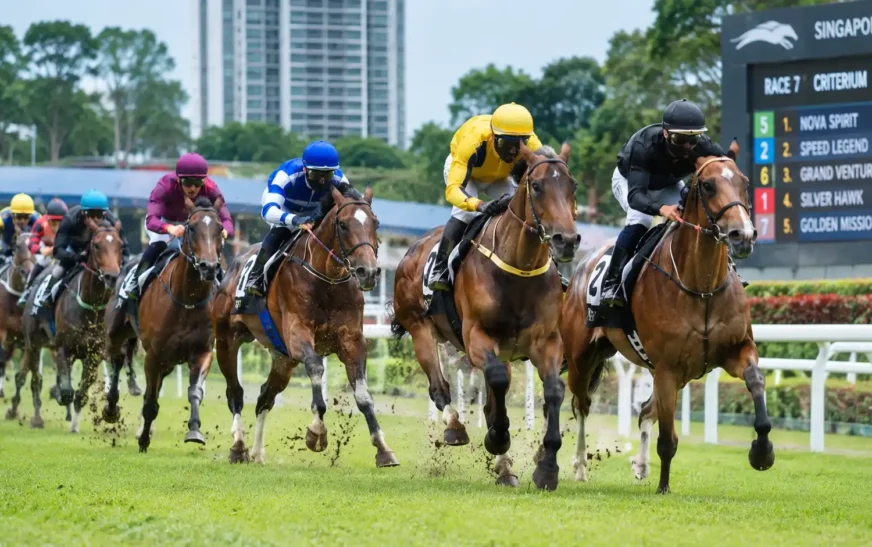
The SG race card is a useful resource for people interested in horse racing in Singapore. It provides information about scheduled races, participating horses, jockeys, trainers, and racing conditions. Understanding a race card helps readers follow important details before a race begins. It also makes horse racing easier to understand for beginners. However, Singapore’s horse racing scene has undergone a major change. The Singapore Turf Club held its final race meeting in October 2024. Therefore, readers should understand the historical meaning of the SG race card and its current availability.
What Is an SG Race Card?
An SG race card is a document showing important information about horse racing events associated with Singapore. Traditionally, it helped racing fans understand each scheduled race before the horses entered the track. It included horse names, jockey details, trainers, race distances, and starting positions. These details allowed readers to compare participating horses and understand the competition. Race cards were especially useful at Kranji Racecourse, Singapore’s former main horse racing venue. Today, the term is also used when searching for historical Singapore racing information and overseas racing listings available to Singapore audiences.
A race card is more than a simple list of horses. It provides useful details about each participant and the conditions of a particular event. For example, readers can check a horse’s previous performances and assigned weight. They can also examine its starting barrier and jockey information. These details help explain how a race is organised. However, a race card cannot guarantee which horse will win. Racing outcomes depend on several changing factors. Understanding the information makes following horse racing easier, even for people who have never studied the sport.
Is Singapore Horse Racing Still Active?
Singapore has a long history of organised horse racing, dating back to 1843. The Singapore Turf Club managed the country’s main racing activities for more than 180 years. Its famous Kranji Racecourse hosted local and international racing events. However, the government announced plans to reclaim the racecourse land for future development. Consequently, local horse racing was scheduled to end in October 2024. This decision marked a major change for Singapore’s racing community. It also changed how people search for an SG race card and related racing information.
The final Singapore Turf Club race meeting took place on October 5, 2024. The farewell event featured ten races, including the 100th Grand Singapore Gold Cup. Thousands of spectators attended the final meeting to witness the end of an important sporting tradition. After this date, Singapore stopped hosting its regular local thoroughbred race meetings at Kranji. Therefore, readers should be careful when searching for current local race schedules. Older race cards remain useful for historical research, but they should not be mistaken for upcoming Singapore races.
What Information Does an SG Race Card Include?
A traditional SG race card contains several important details about participating horses. These details help readers understand the structure of each event. Horse names and numbers identify individual runners, while jockey and trainer information shows the people responsible for their preparation and performance. Race distance explains how far the horses must travel. The starting barrier indicates each horse’s position at the beginning. Weight information is another important part of the document. Together, these details provide a useful overview of the competition and make historical racing records easier to understand.
Common race card information includes:
- Horse name: Identifies each participating horse.
- Jockey: Shows the rider assigned to the horse.
- Trainer: Identifies the horse’s trainer.
- Barrier: Indicates the starting position.
- Race distance: Shows the total racing distance.
- Horse rating: Provides a performance-related rating.
- Assigned weight: Shows the weight carried during the race.
- Recent form: Displays previous finishing results.
These details help readers compare different horses without studying complicated racing records. For example, a horse with several strong recent performances may attract attention. However, previous results do not guarantee future success. Race conditions, competition, and other factors can influence performance. Understanding these details is more useful than relying on one statistic alone.
How to Read an SG Race Card for Beginners
Reading a race card becomes easier when you understand its basic sections. Start by checking the race number, scheduled time, and distance. Next, look at the participating horses and their assigned jockeys. The barrier number tells you where each horse starts. You can then review recent form to understand how the horse performed previously. Weight and rating information provide additional context. Beginners should examine these details separately instead of trying to understand everything immediately. This simple approach makes historical race cards easier to follow and interpret.
Recent form is particularly useful when reviewing older racing events. It usually displays a sequence of numbers representing a horse’s previous finishing positions. For example, a sequence such as 1-3-2 indicates three previous results, with a win followed by third and second places. However, the order and presentation can vary between racing systems. Readers should always check the format used in the relevant document. Other details, including race distance and track conditions, also help explain performance. A single result should never be treated as a complete picture of a horse’s ability.
Understanding Horse Ratings, Weights and Barriers
Horse ratings provide an indication of a horse’s assessed racing ability. Racing authorities or handicapping systems use performance information to determine these ratings. They can help organise horses into suitable racing categories. Assigned weights are also important because handicapping systems may require stronger-rated horses to carry additional weight. This helps create more balanced competition. However, ratings are not perfect predictions of future results. A horse with a higher rating does not automatically win every race. Readers should consider ratings alongside recent performances, race distance, and other available information.
Barrier numbers indicate the positions horses receive when starting a race. A lower barrier generally means a position closer to the inside rail, while higher numbers represent positions farther outside. The importance of a particular barrier depends on track layout, race distance, and racing conditions. For example, an inside position may offer certain advantages on some tracks. However, it can also create challenges when space becomes limited. These factors explain why barrier information matters. Understanding the starting position helps readers interpret race conditions without assuming that one barrier always produces better results.
Where Can You Find SG Race Card Information?
People searching for an SG race card may encounter several types of racing records. Historical Singapore Turf Club race cards are particularly useful for checking past meetings, horse entries, and previous results. Singapore Pools also maintains historical racing information, including records from the final Singapore meeting. These archives help readers research older competitions and understand how Singapore racing operated. However, historical information should always be checked against its original meeting date. A race card from October 2024 does not represent a current local Singapore race schedule.
Another important distinction involves overseas racing information. Singapore Pools provides access to overseas horse racing information and betting services, even though local Singapore racing has ended. Racing fans may therefore encounter race cards for international meetings rather than races held at Kranji. The country, venue, and meeting date should always be checked before reading any listing. This prevents confusion between Singapore-based services and Singapore-based horse racing events. Readers researching this topic can also explore our related articles about international horse racing, sporting events, and major racing results.
What Happened to Kranji Racecourse?
Kranji Racecourse was Singapore’s main horse racing venue and an important part of the country’s sporting history. It opened in August 1999, replacing the earlier Bukit Timah racecourse. The facility hosted major competitions and welcomed racing enthusiasts from different countries. Its modern track and facilities supported professional racing for many years. However, changing land requirements led the government to announce plans for redevelopment. The decision brought an end to local horse racing after more than 180 years. Consequently, historical Kranji race cards remain important records of Singapore’s sporting heritage.
The government announced that the approximately 120-hectare site would be returned for redevelopment. Housing and other possible uses were among the plans discussed. The Singapore Turf Club was expected to complete its transition and close its facilities by March 2027. This development affected trainers, owners, employees, and other people connected with the racing industry. It also marked a significant change for longtime spectators. Although local racing ended, its history remains available through archived race cards, photographs, and competition results. These records help preserve the memory of Singapore’s former horse racing industry.
Frequently Asked Questions About SG Race Card
1. What does SG race card mean?
It refers to horse racing schedules and participant information associated with Singapore, including historical local meetings and overseas racing listings.
2. Is Singapore horse racing still active?
No. Singapore’s final local horse racing meeting took place on October 5, 2024.
3. Where was Singapore horse racing held?
The final Singapore racing meetings were held at Kranji Racecourse, managed by the Singapore Turf Club.
4. What details appear on an SG race card?
It typically includes horse names, jockeys, trainers, barriers, weights, ratings, distances, and previous performances.
5. Can I find historical SG race cards?
Yes. Archived race cards and results from previous Singapore Turf Club meetings remain available for historical reference.
Conclusion
The SG race card has played an important role in Singapore’s horse racing history. It provided useful information about participating horses, jockeys, trainers, barriers, and racing conditions. However, Singapore’s local horse racing industry officially ended on October 5, 2024, when Kranji Racecourse hosted its final meeting. Historical race cards remain valuable resources for racing enthusiasts and researchers. Overseas racing information is also available through Singapore-based racing services. Understanding the difference between historical local meetings and international racing listings helps avoid confusion. Explore our other horse racing guides for more useful information and sporting insights.