
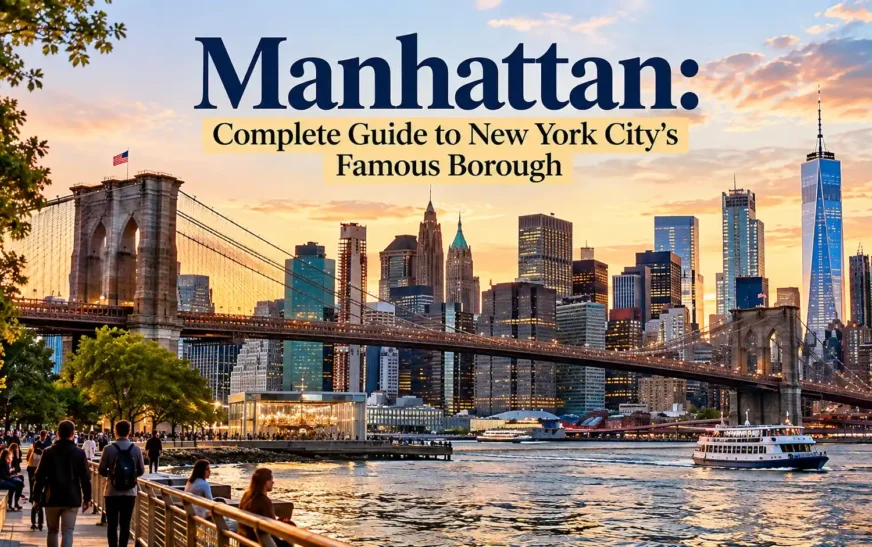
Manhattan is one of the most famous urban destinations in the world. Located in New York City, New York, it is known for towering skyscrapers, busy streets, historic landmarks, and diverse neighborhoods. Millions of people visit Manhattan to explore its attractions, enjoy its food, experience its culture, and discover its unique atmosphere. The borough combines business, entertainment, art, and history in one remarkable place. From the bright lights of Times Square to the peaceful paths of Central Park, Manhattan offers experiences for different interests. Understanding its neighborhoods and attractions helps visitors plan a more enjoyable trip.
The History of Manhattan
Manhattan has a long history that began long before modern skyscrapers transformed its landscape. Indigenous Lenape people lived in the region for generations, building communities and using the surrounding waterways for travel, fishing, and trade. European colonization began in the seventeenth century, when Dutch settlers established a settlement known as New Amsterdam. English control followed in 1664, and the settlement eventually became New York. Over time, Manhattan developed into an important center for commerce, immigration, and government. Its natural harbor and strategic location helped attract people, businesses, and investment, creating the foundations for its later growth.
During the nineteenth and twentieth centuries, Manhattan experienced enormous changes as its population increased and transportation improved. Waves of immigrants arrived, bringing languages, traditions, food, and cultural influences that shaped the borough. Industrial growth and financial development encouraged the construction of offices, apartment buildings, and major public spaces. The skyline changed dramatically as engineering advances made taller buildings possible. Today, historic neighborhoods stand alongside modern towers, creating a visible connection between past and present. Visitors interested in local history can explore historic districts, museums, and architectural landmarks to understand how Manhattan developed into one of the world’s best-known urban centers.
Top Attractions in Manhattan
Manhattan offers attractions for visitors with different interests, from famous landmarks to cultural institutions and peaceful public spaces. Times Square attracts crowds with its enormous digital displays, theaters, shops, and busy streets. Central Park provides a greener setting with walking paths, lakes, gardens, and open spaces. The Empire State Building offers views across the city, while Rockefeller Center combines architecture, public art, and seasonal activities. Visitors can also explore the Statue of Liberty’s surrounding harbor area from Manhattan’s waterfront. These attractions provide different ways to experience the borough, whether someone enjoys sightseeing, photography, entertainment, or relaxing outdoors.
Museums and historic landmarks add another dimension to a Manhattan visit. The Metropolitan Museum of Art features collections spanning many periods and cultures, while the American Museum of Natural History explores science, nature, and human history. The 9/11 Memorial provides a place for reflection and remembrance. Meanwhile, the High Line offers an unusual walking experience through a landscaped park built on a former elevated railway. Each attraction reveals a different aspect of the borough’s identity. Visitors with limited time should choose places according to their interests, check opening arrangements in advance, and allow enough time for travel between busy destinations.
Manhattan’s Famous Neighborhoods
Manhattan contains many neighborhoods, each with its own atmosphere, architecture, and local character. Midtown is known for major office buildings, shopping streets, and famous attractions. Lower Manhattan combines historic streets, financial institutions, and waterfront views. Greenwich Village offers charming streets, cafes, and a long association with artistic communities. Harlem is celebrated for its African American cultural heritage, music, and history. These neighborhoods show why Manhattan is more than a collection of skyscrapers. Exploring different areas helps visitors understand the borough’s diversity and discover places that may feel very different from its busiest tourist locations.
Other neighborhoods offer experiences shaped by food, fashion, residential life, and creative industries. SoHo attracts visitors with cast-iron architecture, galleries, and shopping opportunities. Chinatown is known for Chinese restaurants, markets, and cultural traditions. The Lower East Side combines historic buildings with modern restaurants and entertainment venues. Chelsea offers art galleries, while the Upper West Side features residential streets and access to cultural attractions. Each neighborhood has its own rhythm, so visitors should avoid trying to see everything in one afternoon. Walking through a smaller area, stopping for food, and observing everyday street life can make a visit feel more rewarding.
Food and Dining in Manhattan
Food is an important part of the Manhattan experience because the borough brings together culinary traditions from around the world. Visitors can find classic New York pizza, bagels, deli sandwiches, international street food, and restaurants serving dishes from many countries. Neighborhoods often have their own food specialties, making dining an enjoyable way to explore different communities. A quick slice of pizza can suit a busy sightseeing day, while a relaxed restaurant meal offers more time to enjoy the atmosphere. Food prices vary considerably, so travelers can choose options that match their budgets without missing out on the city’s famous food culture.
Manhattan also offers opportunities to discover bakeries, coffee shops, food markets, and fine dining restaurants. Breakfast might include a bagel with cream cheese, while lunch could feature a sandwich or a simple meal from a neighborhood cafe. Travelers interested in international cuisine can explore different neighborhoods rather than staying close to major tourist attractions. However, popular restaurants may have long waits, especially during weekends and peak travel seasons. Checking menus and prices before ordering can help visitors manage their spending. Food lovers can also explore a related guide to famous New York dishes to learn more about the city’s culinary traditions.
Shopping and Entertainment in Manhattan
Shopping in Manhattan ranges from large department stores and luxury boutiques to independent shops and neighborhood markets. Fifth Avenue is especially famous for its major retailers and luxury shopping, while SoHo attracts shoppers interested in fashion, design, and distinctive store interiors. Visitors can also discover bookstores, souvenir shops, and specialty retailers throughout the borough. Prices vary widely, making it possible to browse without spending much or enjoy a more premium shopping experience. Comparing prices and planning purchases can help travelers stay within budget. Even people who do not intend to buy anything may enjoy exploring the city’s busy commercial streets.
Entertainment is another major part of Manhattan’s appeal. Broadway theaters present musicals, plays, and other live performances that attract audiences from around the world. Smaller venues offer comedy, jazz, independent theater, and live music throughout the borough. Movie theaters, cultural festivals, and seasonal events provide additional choices for evening activities. Because popular shows can sell out, planning ahead is useful when a particular performance is important to a trip. Visitors should also consider travel time between dinner, theaters, and accommodation. Exploring Manhattan after dark can reveal a different side of the borough, with illuminated buildings and lively entertainment districts.
Transportation and Getting Around Manhattan
Getting around Manhattan is relatively convenient because the borough has an extensive public transportation network. The subway connects many neighborhoods and major attractions, while buses provide additional routes along busy streets and avenues. Walking is also practical for short distances, particularly in areas with closely spaced attractions. Taxis and ride-hailing services offer alternatives when travelers have heavy bags or prefer direct transportation. However, road traffic can be slow during busy periods. Choosing transportation according to distance, weather, and available time helps visitors move around efficiently. Comfortable shoes are especially useful because sightseeing often involves more walking than expected.
Planning routes before leaving accommodation can make a Manhattan trip easier. Visitors should identify nearby subway stations, check the direction of their route, and allow extra time during rush hours. The borough follows a general grid pattern in many areas, although downtown streets can be less regular. Walking between nearby attractions may sometimes be faster than taking a vehicle. Travelers should also consider accessibility needs, luggage, and the time required to reach airports or train stations. For a smoother visit, grouping nearby attractions together can reduce unnecessary travel. This simple approach saves time and leaves more opportunities to enjoy the destination.
Best Time to Visit Manhattan
Manhattan can be visited throughout the year, but each season offers a different experience. Spring brings milder weather, flowering trees, and comfortable conditions for walking around parks and neighborhoods. Summer features outdoor activities, longer daylight hours, and lively streets, although temperatures and humidity can become uncomfortable. Autumn is popular for its pleasant weather and colorful foliage, especially in Central Park. Winter introduces colder conditions, holiday decorations, and seasonal attractions. The best time depends on personal preferences, budget, and planned activities. Travelers who enjoy walking may prefer spring or autumn, while those interested in festive displays might choose the winter holiday season.
Before visiting Manhattan, travelers should consider accommodation prices, weather conditions, and expected crowd levels. Popular periods can increase demand for hotel rooms and attractions, so booking important arrangements early may be helpful. Summer visitors should carry water and plan breaks, while winter travelers need warm clothing and suitable footwear. Rain can affect outdoor plans during any season, making indoor attractions useful alternatives. It is also wise to leave some flexibility in the schedule because unexpected delays can occur in a busy city. A balanced itinerary should combine famous landmarks with quieter experiences, allowing visitors to enjoy Manhattan without rushing constantly.
Frequently Asked Questions About Manhattan
Where is Manhattan located?
Manhattan is a borough of New York City, located mainly on Manhattan Island in New York State, United States.
What is Manhattan famous for?
Manhattan is famous for its skyscrapers, Central Park, Times Square, Broadway theaters, museums, and financial district.
Is Manhattan a good place for tourists?
Yes, Manhattan offers famous attractions, diverse food, shopping, cultural experiences, and convenient public transportation.
How many days are enough to explore Manhattan?
Three to five days can cover many major attractions, although a longer stay allows more relaxed exploration.
What is the best time to visit Manhattan?
Spring and autumn are popular because temperatures are generally comfortable for sightseeing and outdoor activities.
Conclusion
Manhattan is a remarkable destination that combines history, culture, entertainment, food, and modern city life. Its famous landmarks attract visitors, while its diverse neighborhoods reveal a more personal side of New York City. From exploring Central Park to watching a Broadway performance, travelers can create experiences that match their interests and budgets. Good planning makes it easier to manage transportation, choose attractions, and enjoy different parts of the borough. Although Manhattan can feel busy and expensive, thoughtful choices can make a visit more comfortable. Explore its neighborhoods, discover local food, and enjoy the unique character that makes Manhattan memorable.