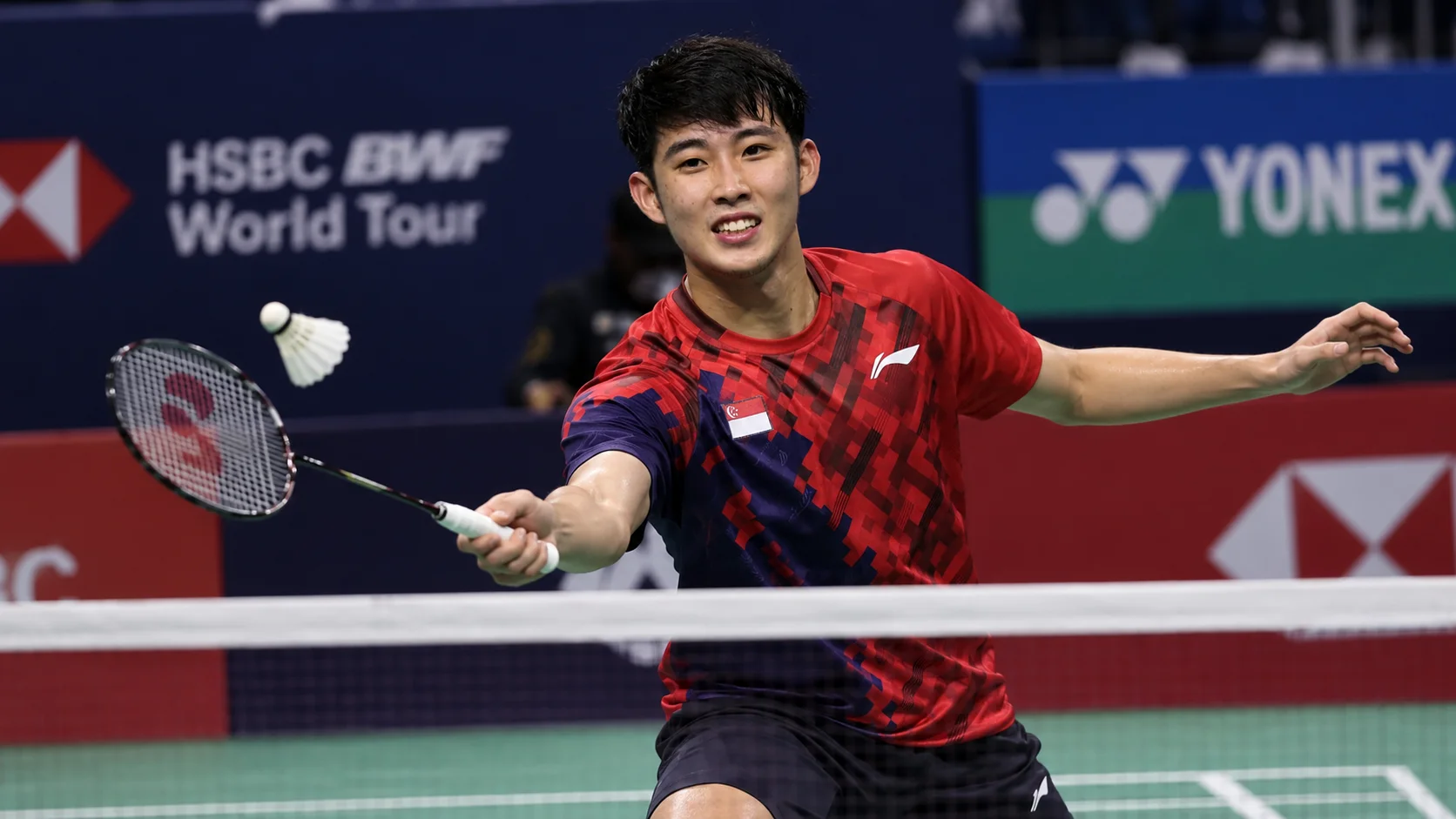

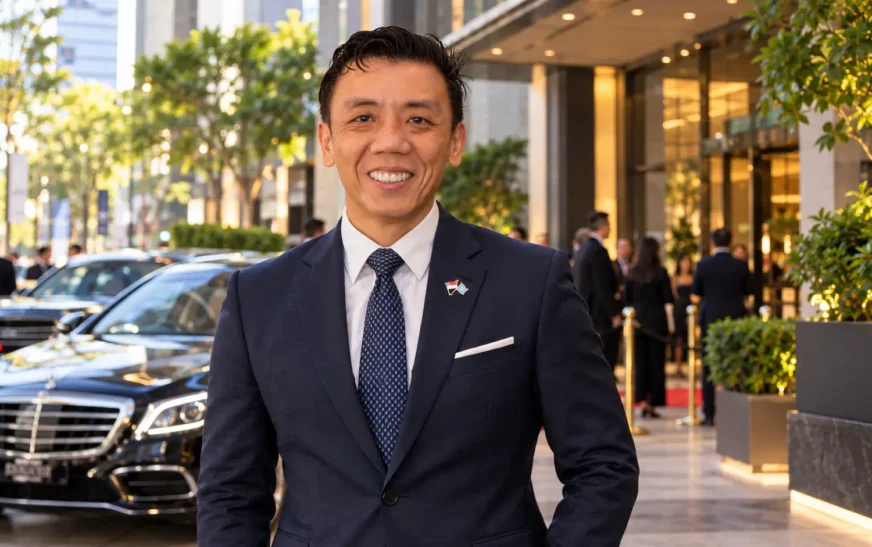
Jeffrey Siow is a Singaporean public servant and political officeholder known for his work in government and public administration. He has held senior leadership positions and contributed to discussions about Singapore’s economy, workforce, and national development. His career reflects the important role public servants play in shaping policies and supporting the country’s long-term goals. People searching for Jeffrey Siow often want to understand his educational background, professional experience, political responsibilities, and public contributions. This biography explores his career and areas of responsibility in clear language, helping readers understand his professional journey and place in Singapore’s public sector.
Who is Jeffrey Siow?A brief biography
| Category | Details |
|---|---|
| Full Name | Jeffrey Siow Chen Siang |
| Popular Name | Jeffrey Siow |
| Birth Year | 1978 or 1979 |
| Nationality | Singaporean |
| Profession | Politician and Former Civil Servant |
| Political Party | People’s Action Party (PAP) |
| Current Position | Minister for Transport and Second Minister for Finance |
| Constituency | Chua Chu Kang GRC |
| Education | Cornell University and Massachusetts Institute of Technology (MIT) |
| Degree | BA in Economics and Government, BSc in Urban and Regional Studies, MBA |
| Known For | Public service, transport policy, and economic development |
| Previous Role | Principal Private Secretary to Lee Hsien Loong |
| Years in Public Service | Approximately 24 years |
Jeffrey Siow’s Early Life and Education
Jeffrey Siow Chen Siang built his professional career through education, public administration, and government service. His academic background helped prepare him for work involving economic policy, urban development, and public decision-making. He studied at Cornell University in the United States, where he earned degrees in Economics and Government, and Urban and Regional Studies. These subjects provided a foundation for understanding how governments manage resources, develop cities, and support economic progress. His education also helped prepare him for roles involving different ministries and national priorities. However, his career developed primarily through practical experience within Singapore’s public service.
Jeffrey Siow later earned a Master of Business Administration from the Massachusetts Institute of Technology. This qualification added business and management knowledge to his academic background. His combination of economics, government, urban studies, and business education suited the varied responsibilities of senior public administration. Government leaders often need to understand financial planning, workplace needs, infrastructure, and economic competitiveness together. These skills can help them assess how different policies affect people and businesses. Although academic qualifications do not guarantee successful leadership, they can provide useful tools for complex decisions. Siow’s education formed an important foundation for his subsequent public service career. Read more : Monica Baey
Jeffrey Siow’s Career in Singapore’s Public Service
Jeffrey Siow began his career at Singapore’s Ministry of Manpower. He subsequently held appointments at the Public Service Division, Ministry of Education, and Ministry of Transport. These roles exposed him to different areas of national administration, including employment, education, infrastructure, and workforce development. Working across several ministries allowed him to understand how government policies interact. For example, education decisions can influence employment opportunities, while transport infrastructure can affect business activity and daily commuting. His career progression reflected experience across multiple policy areas rather than a focus on one department. This background prepared him for senior leadership responsibilities.
During his years in public service, Jeffrey Siow worked on initiatives involving education pathways, workplace policies, and transport improvements. He also contributed to efforts supporting Singapore’s economic development and international cooperation. His responsibilities required coordination between government agencies, businesses, and other stakeholders. Public administration often involves balancing competing priorities while working within legal and financial limits. Therefore, officials must consider both immediate needs and longer-term national objectives. Siow’s experience across different ministries gave him exposure to these challenges. His later leadership positions drew on this broad background, combining policy development with practical management and coordination.
Jeffrey Siow and Enterprise Singapore
Jeffrey Siow became the first Managing Director and Chief Operating Officer of Enterprise Singapore in September 2021. The agency supports Singaporean businesses as they develop capabilities, improve competitiveness, and explore international markets. Small and medium-sized enterprises are particularly important because they contribute to employment, innovation, and economic activity. In his leadership role, Siow helped guide initiatives designed to strengthen local companies and support industry transformation. His responsibilities also involved working with trade associations, business leaders, and international partners. This appointment represented a shift from ministry-based policymaking toward leading an organization focused directly on enterprise development.
During his time at Enterprise Singapore, Siow worked on efforts to help businesses navigate the challenges following the COVID-19 pandemic. Companies needed to adjust operations, manage changing demand, and identify opportunities for future growth. Enterprise support can include capability development, international expansion, and assistance with industry transformation. These efforts are important because smaller companies may have fewer resources than large multinational businesses. Siow left the organization at the end of 2023, after serving as its first Managing Director and Chief Operating Officer. His experience there strengthened his background in economic development and business support before he returned to senior government appointments.
Jeffrey Siow’s Work in Manpower and Economic Policy
In January 2024, Jeffrey Siow returned to the Ministry of Manpower as Second Permanent Secretary. He subsequently served concurrently as Second Permanent Secretary at the Ministry of Trade and Industry from September 2024. These positions involved important national priorities, including employment practices, workforce development, economic competitiveness, and business regulation. Singapore depends on a productive workforce and a business environment that supports sustainable growth. Policymakers must therefore consider the needs of employees, employers, and the wider economy. Siow’s responsibilities connected these priorities through policy development and coordination across government departments.
His work included efforts to strengthen fair employment practices and improve protections for workers. He also contributed to policy initiatives concerning workplace discrimination, platform workers, and parental support. These areas affect how people find jobs, manage family responsibilities, and work in changing industries. At the same time, his economic policy responsibilities included reducing unnecessary regulatory burdens and supporting business development. Effective policymaking requires balancing worker protection with a competitive business environment. These goals can sometimes create difficult decisions, particularly when industries face rapid change. Siow’s experience across manpower and trade policy placed him at the intersection of these important national discussions.
Jeffrey Siow as Singapore’s Minister for Transport
In May 2025, Jeffrey Siow entered elected politics and became a Member of Parliament for Chua Chu Kang Group Representation Constituency. He was initially appointed Acting Minister for Transport and Senior Minister of State for Finance. In July 2026, he was promoted to Minister for Transport and Second Minister for Finance. These appointments marked a significant change from his earlier career as a senior public servant. As Minister for Transport, he oversees policy areas covering Singapore’s land, air, and sea transport systems. His responsibilities include addressing transport reliability, accessibility, infrastructure development, and the changing needs of commuters and businesses.
Singapore’s transport network plays an essential role in daily life and economic activity. Millions of journeys depend on reliable public transport, while ports and airports connect the country with international markets. Transport planning must also consider population changes, infrastructure costs, environmental concerns, and future demand. Siow’s earlier experience at the Ministry of Transport provides relevant background for these responsibilities. However, leading a ministry involves broader political accountability and public engagement than serving solely as a civil servant. His performance will be assessed through policy decisions, service improvements, infrastructure planning, and how effectively the transport system meets Singapore’s changing needs.
Jeffrey Siow’s Role in Singapore’s Finance Ministry
Alongside his transport portfolio, Jeffrey Siow serves as Second Minister for Finance. This role places him within the government’s wider work on fiscal policy, public spending, and economic planning. Singapore’s financial decisions affect infrastructure, education, healthcare, social support, and business development. Managing public resources requires careful consideration of immediate needs and long-term sustainability. Government leaders must evaluate spending priorities while maintaining financial resilience. Siow’s previous experience in economic policy and business development provides useful context for understanding his responsibilities. His finance portfolio also connects with his transport role, since major infrastructure projects require significant investment and long-term financial planning.
Public finance involves more than deciding how much money different programmes receive. It also requires assessing whether spending achieves useful outcomes and whether policies remain affordable over time. Economic conditions, population needs, and international developments can influence government decisions. Singapore’s approach emphasizes maintaining a strong economic foundation while supporting essential public services. As Second Minister for Finance, Siow contributes to this wider policy framework alongside other government leaders. His responsibilities should be understood as part of a collective ministerial system rather than as decisions made independently by one individual. Readers interested in these issues can explore related topics such as Singapore’s national budget and economic policy.
Jeffrey Siow’s Leadership Style and Public Responsibilities
Jeffrey Siow’s career combines administrative experience, economic policy work, business development, and elected political leadership. This background provides insight into the range of skills required for senior government roles. Public leaders must understand complex information, communicate decisions clearly, and work with people who have different priorities. They also need to respond to public concerns while considering long-term national objectives. Siow’s experience across several ministries and Enterprise Singapore exposed him to these different demands. However, assessing a leader’s effectiveness requires examining actual decisions, policy outcomes, and public accountability rather than relying only on professional titles or qualifications.
As an elected representative, Jeffrey Siow also has responsibilities toward residents in Chua Chu Kang GRC. Constituency work can involve listening to residents, understanding local concerns, and helping them navigate government services. These responsibilities complement his national ministerial duties, although they involve different priorities and forms of engagement. Residents may raise issues concerning transport access, housing estates, public facilities, or other everyday needs. Effective representation requires understanding these concerns and directing them through appropriate channels. His public role therefore combines national policymaking with local representation. Readers can learn more about Singapore’s political system by exploring related articles about Parliament and ministerial responsibilities.
Frequently Asked Questions About Jeffrey Siow
1. Who Is Jeffrey Siow?
Jeffrey Siow is a Singaporean politician who serves as Minister for Transport and Second Minister for Finance.
2. What Is Jeffrey Siow’s Educational Background?
He holds an MBA from MIT and degrees in Economics and Government, and Urban and Regional Studies, from Cornell University.
3. Which Political Party Does Jeffrey Siow Belong To?
He is a member of Singapore’s People’s Action Party and represents Chua Chu Kang GRC.
4. What Did Jeffrey Siow Do Before Entering Politics?
He held senior public service positions and led Enterprise Singapore as its first Managing Director and Chief Operating Officer.
5. When Did Jeffrey Siow Become Minister for Transport?
He became Acting Minister for Transport in May 2025 and was promoted to Minister in July 2026.
Conclusion
Jeffrey Siow’s career reflects decades of experience across Singapore’s public service, economic development, and government leadership. From his early ministry appointments to his work at Enterprise Singapore, he contributed to policies involving transport, employment, and business growth. His entry into elected politics in 2025 marked a new stage in his professional journey. Since July 2026, he has served as Minister for Transport and Second Minister for Finance. These responsibilities place him at the centre of important national decisions affecting commuters, workers, businesses, and public spending. Readers interested in Singapore’s leadership can explore related articles about government policy, transport development, and economic planning.