
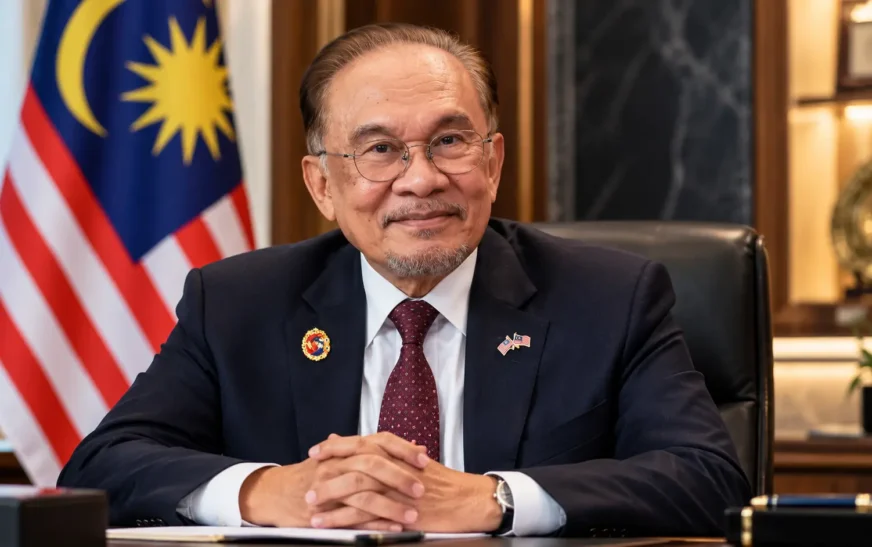
Anwar Ibrahim is a Malaysian politician known for his long political journey and leadership. He became Malaysia’s prime minister in November 2022, following decades of political activity, public debate, and personal challenges. His career includes student activism, government service, opposition politics, and efforts to promote political reform. Anwar Ibrahim has remained an important figure in Malaysian public life because of his influence on national policies and democratic discussions. His leadership also attracts attention across Southeast Asia. Understanding his background helps explain his rise to power, his political beliefs, and the challenges facing his government as Malaysia works toward economic growth and national development.
Who is Anwar Ibrahim?A brief biography
| Field | Details |
|---|---|
| Full Name | Anwar bin Ibrahim |
| Date of Birth | August 10, 1947 |
| Age | 79 years (as of 2026) |
| Birthplace | Cherok Tok Kun, Penang, Malaysia |
| Nationality | Malaysian |
| Profession | Politician |
| Known For | Prime Minister of Malaysia |
| Political Party | People’s Justice Party (PKR) |
| Position | 10th Prime Minister of Malaysia |
| Prime Minister Since | November 24, 2022 |
| Education | University of Malaya |
| Spouse | Wan Azizah Wan Ismail |
| Children | Six |
| Political Experience | Former Deputy Prime Minister of Malaysia |
Who Is Anwar Ibrahim?
Anwar Ibrahim is a Malaysian politician who became the country’s tenth prime minister on November 24, 2022. Born on August 10, 1947, in Cherok Tok Kun, Penang, Malaysia, he entered public life through student activism before building a career in national politics. Over the years, he became known for discussing social justice, economic development, good governance, and political reform. His supporters have viewed him as a voice for democratic change, while critics have questioned aspects of his political decisions and leadership. His career reflects Malaysia’s changing political landscape and the challenges of building public trust across different communities.
Before becoming prime minister, Anwar Ibrahim held several important positions in the Malaysian government. He served as education minister and finance minister and later became deputy prime minister. His political career also included a lengthy period in opposition, during which he worked with different parties and reform movements. These experiences shaped his public image as a politician who sought changes to Malaysia’s political system. However, his journey was also marked by legal battles, imprisonment, and political disagreements. His eventual return to government leadership represented a major turning point in his career and brought renewed attention to his plans for the country. Read more : Candlelight Concert
Early Life and Education of Anwar Ibrahim
Anwar Ibrahim was born into a politically active family in Penang, a state in northwestern Malaysia. His father, Ibrahim Abdul Rahman, served as a politician, while his mother, Che Yan Hussein, was involved in community and political activities. Growing up in this environment exposed him to public affairs from an early age. His childhood experiences helped develop his interest in social issues and national leadership. During his school years, he became interested in student activities and public speaking. These early interests later influenced his decision to participate in political movements and pursue a career focused on Malaysia’s social and political development.
Anwar Ibrahim attended the University of Malaya, where he studied Malay studies and became involved in student activism. During the late 1960s and early 1970s, he gained attention for participating in movements that raised concerns about poverty, education, and social inequality. His student leadership helped establish his reputation among young Malaysians interested in public reform. He also became involved in Islamic youth organizations, which influenced his early political outlook. These experiences introduced him to national debates about development, identity, and fairness. His university years became an important foundation for his later work in government, political organizing, and efforts to influence Malaysia’s future direction.
Anwar Ibrahim’s Political Career
Anwar Ibrahim entered mainstream politics in 1982 when he joined the United Malays National Organisation, commonly known as UMNO. He quickly moved into government, serving in several ministerial positions. These included culture, youth and sports, agriculture, education, and finance. His growing influence eventually led to his appointment as deputy prime minister in 1993. During this period, he developed a reputation as an ambitious politician with strong public speaking skills. His rise attracted considerable attention because many observers considered him a potential successor to then-prime minister Mahathir Mohamad. However, their political relationship later became strained over economic policies and leadership disagreements.
Anwar Ibrahim’s political career changed dramatically in 1998 after his dismissal from government. He subsequently became a central figure in the Reformasi movement, which called for political reform, accountability, and changes to government institutions. His supporters organized demonstrations, while his political opponents questioned his methods and leadership. During the following years, Anwar faced imprisonment and continued legal challenges that shaped his public image. After his release, he gradually returned to political life and helped unite opposition parties. His ability to remain politically active despite these setbacks became a defining feature of his career and influenced Malaysia’s opposition movement for years.
Anwar Ibrahim’s Time as Finance Minister
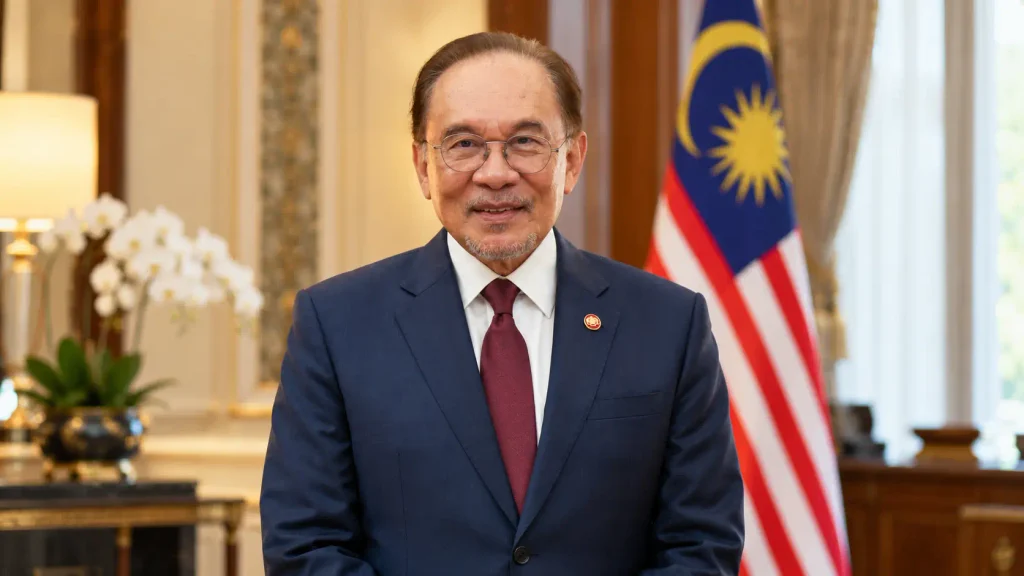
Anwar Ibrahim served as Malaysia’s finance minister from 1991 to 1998, a period of significant economic development and later financial uncertainty. During his early years in the position, Malaysia experienced strong growth, supported by investment, manufacturing, and international trade. Anwar gained recognition for his economic management and emphasis on financial discipline. His work also brought him international attention, including recognition from financial publications. However, evaluating his tenure requires considering the wider economic conditions and policies introduced by the government. Malaysia’s economic performance during this period resulted from several factors, including private investment, government decisions, and changing conditions in international markets.
The Asian financial crisis of 1997 created serious difficulties for Malaysia and other regional economies. Currency pressures, falling market confidence, and financial instability forced governments to consider difficult policy choices. Anwar supported fiscal restraint and measures intended to strengthen financial accountability, while disagreements developed between him and Mahathir over the appropriate response. Their differences became part of a wider political conflict that eventually led to Anwar’s dismissal. This period remains important when discussing his economic record because it illustrates the connection between financial management and political leadership. It also helps explain why economic policy became a major issue in Malaysia’s political debates.
Anwar Ibrahim’s Family and Personal Life
Anwar Ibrahim married Wan Azizah Wan Ismail in 1980. She is a physician by training and became an influential political figure in her own right. During Anwar’s years outside government, she played a prominent role in Malaysia’s opposition movement and helped establish Parti Keadilan Nasional, which later became part of Parti Keadilan Rakyat. She has also served as Malaysia’s deputy prime minister. Their partnership has attracted public attention because both have held important positions in national politics. Their experiences show how political responsibilities can affect family life, particularly when public figures face prolonged legal disputes and difficult periods in their careers.
Anwar Ibrahim and Wan Azizah have six children, including Nurul Izzah Anwar, who has developed her own political career. The family has remained a subject of public interest because of its involvement in Malaysian politics. However, Anwar’s public identity extends beyond his family relationships. His political ideas, government responsibilities, and decades of activism have shaped his reputation both inside and outside Malaysia. When discussing his personal life, it is useful to distinguish verified biographical details from speculation. His family’s political involvement also illustrates how public service can become a long-term commitment that influences several generations within a politically active household.
Anwar Ibrahim’s Return to Politics
Anwar Ibrahim returned to active politics after his release from prison in 2004. He gradually rebuilt his political influence and became a leading figure in Malaysia’s opposition movement. In 2008, opposition parties achieved important electoral gains, challenging the long-standing dominance of the ruling coalition. Anwar became opposition leader and worked to bring different political groups together. His efforts helped expand political competition and encouraged wider discussions about governance, public accountability, and institutional reform. However, opposition politics also presented significant challenges, including disagreements between coalition partners and the difficulty of turning election support into a stable government.
In 2018, Malaysia experienced a historic change when an opposition coalition won the general election and ended Barisan Nasional’s uninterrupted national rule. Anwar’s political alliance with Mahathir Mohamad helped make this transition possible, although their relationship had previously been marked by serious conflict. Anwar later entered parliament through a by-election in Port Dickson. Political developments continued to reshape the country, and changes in government complicated his path toward national leadership. Nevertheless, he remained an influential figure in the reform movement. These events demonstrated the importance of political alliances, parliamentary support, and public confidence in determining who leads a democratic government.
Anwar Ibrahim as Prime Minister of Malaysia
Anwar Ibrahim became Malaysia’s tenth prime minister on November 24, 2022, after the 2022 general election produced a hung parliament. No coalition initially secured enough seats to govern independently, creating uncertainty over the country’s next administration. Following discussions involving the country’s constitutional authorities and political leaders, Anwar received the appointment. His government brought together parties with different backgrounds and political priorities. This arrangement required negotiation and cooperation to maintain parliamentary support. His appointment ended a political journey lasting several decades and placed him in charge of addressing Malaysia’s economic challenges, public expectations, and national development goals.
As prime minister, Anwar has promoted Malaysia MADANI, a framework emphasizing values such as sustainability, prosperity, innovation, respect, trust, and compassion. His administration has discussed economic growth, public services, governance, and efforts to improve the country’s financial position. However, implementing these goals requires balancing competing demands, including living costs, public spending, investment, and support for vulnerable households. Government performance must therefore be assessed through measurable results rather than speeches or announcements alone. Citizens may judge his leadership by employment opportunities, purchasing power, public service quality, and institutional accountability. These practical issues remain central to understanding his responsibilities as Malaysia’s national leader.
Anwar Ibrahim’s Leadership and Future Challenges
Anwar Ibrahim’s leadership involves managing a diverse country with different ethnic communities, religious traditions, economic interests, and political expectations. Malaysia also depends heavily on international trade, manufacturing, investment, and regional cooperation. These factors create opportunities but expose the country to global economic changes. His administration must therefore consider both domestic needs and international developments when making policy decisions. Maintaining political stability is another important responsibility because coalition governments depend on cooperation between parties. Anwar’s ability to build agreement while addressing public concerns will influence his government’s effectiveness. His long experience in politics provides useful background, but experience alone cannot guarantee successful policy outcomes.
Economic pressures remain among the major challenges facing Anwar Ibrahim’s administration. Rising living costs, income differences, employment opportunities, and public expectations require careful policy planning. The government must also consider how to attract investment while protecting household welfare and maintaining responsible public finances. Other important priorities include education, healthcare, digital development, and opportunities for younger Malaysians. International relations also matter because Malaysia works with neighboring countries and global partners on trade, security, and regional stability. Anwar’s long-term legacy will depend on the results of his decisions and the institutions his government strengthens. Clear policies, transparent implementation, and measurable improvements will be important indicators of progress.
Frequently Asked Questions About Anwar Ibrahim
1. Who is Anwar Ibrahim?
Anwar Ibrahim is a Malaysian politician who became the country’s tenth prime minister on November 24, 2022.
2. When was Anwar Ibrahim born?
Anwar Ibrahim was born on August 10, 1947, in Cherok Tok Kun, Penang, Malaysia.
3. Who is Anwar Ibrahim’s wife?
His wife is Wan Azizah Wan Ismail, a physician and prominent Malaysian politician.
4. How many children does Anwar Ibrahim have?
Anwar Ibrahim and Wan Azizah Wan Ismail have six children.
5. What is Anwar Ibrahim known for?
He is known for his political reform movement, former ministerial roles, opposition leadership, and position as Malaysia’s prime minister.
Conclusion
Anwar Ibrahim’s life reflects decades of political activity, personal challenges, and changing leadership in Malaysia. From his early student activism to his years as a minister, opposition leader, and prime minister, his career has influenced important national debates. His experiences also demonstrate how political alliances, economic decisions, and public expectations shape leadership. As prime minister, he faces the challenge of improving living standards, strengthening governance, and maintaining national stability. His long-term achievements will depend on how effectively his policies address everyday concerns. Readers interested in Asian politics can explore related biographies and Malaysian political history to understand the country’s evolving leadership and institutions.