
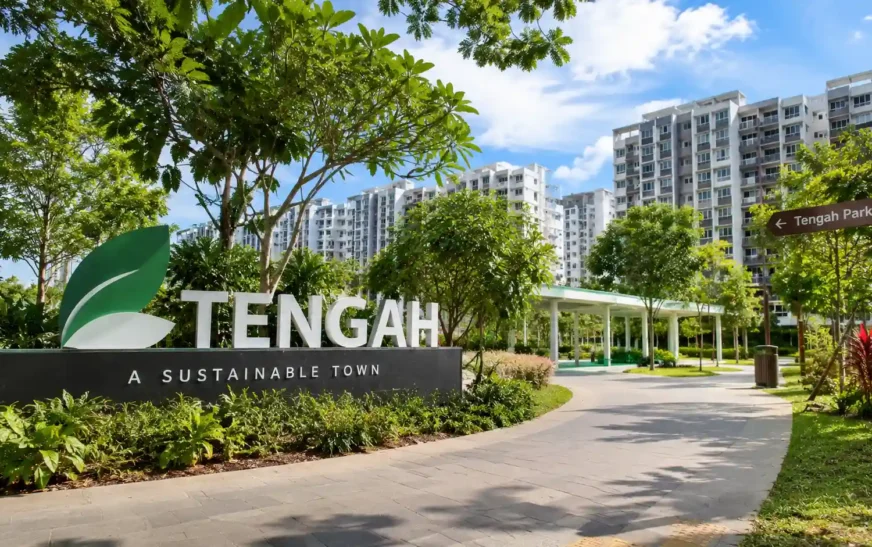
Tengah is one of Singapore’s newest residential towns, designed around greenery, technology, and sustainable living. Located in the western part of Singapore, Tengah offers a fresh approach to modern urban development. It combines comfortable homes, green spaces, smart infrastructure, and community facilities. The town is also known as Singapore’s first HDB town planned with smart technologies across the entire development. Its forest-inspired design makes it different from traditional residential neighbourhoods. As more families move into Tengah, the area continues developing with new homes, shops, schools, parks, and transport connections.
What Is Tengah and Where Is It Located?
Tengah is a developing residential town in western Singapore. It is designed to provide modern housing alongside natural surroundings and convenient community facilities. The town is part of Singapore’s long-term urban development plans. Its location also places it near established areas such as Bukit Batok and Jurong. This gives residents access to existing shopping, employment, and recreational opportunities. Tengah is being developed as a place where families can enjoy comfortable neighbourhood living while staying connected to important destinations across Singapore.
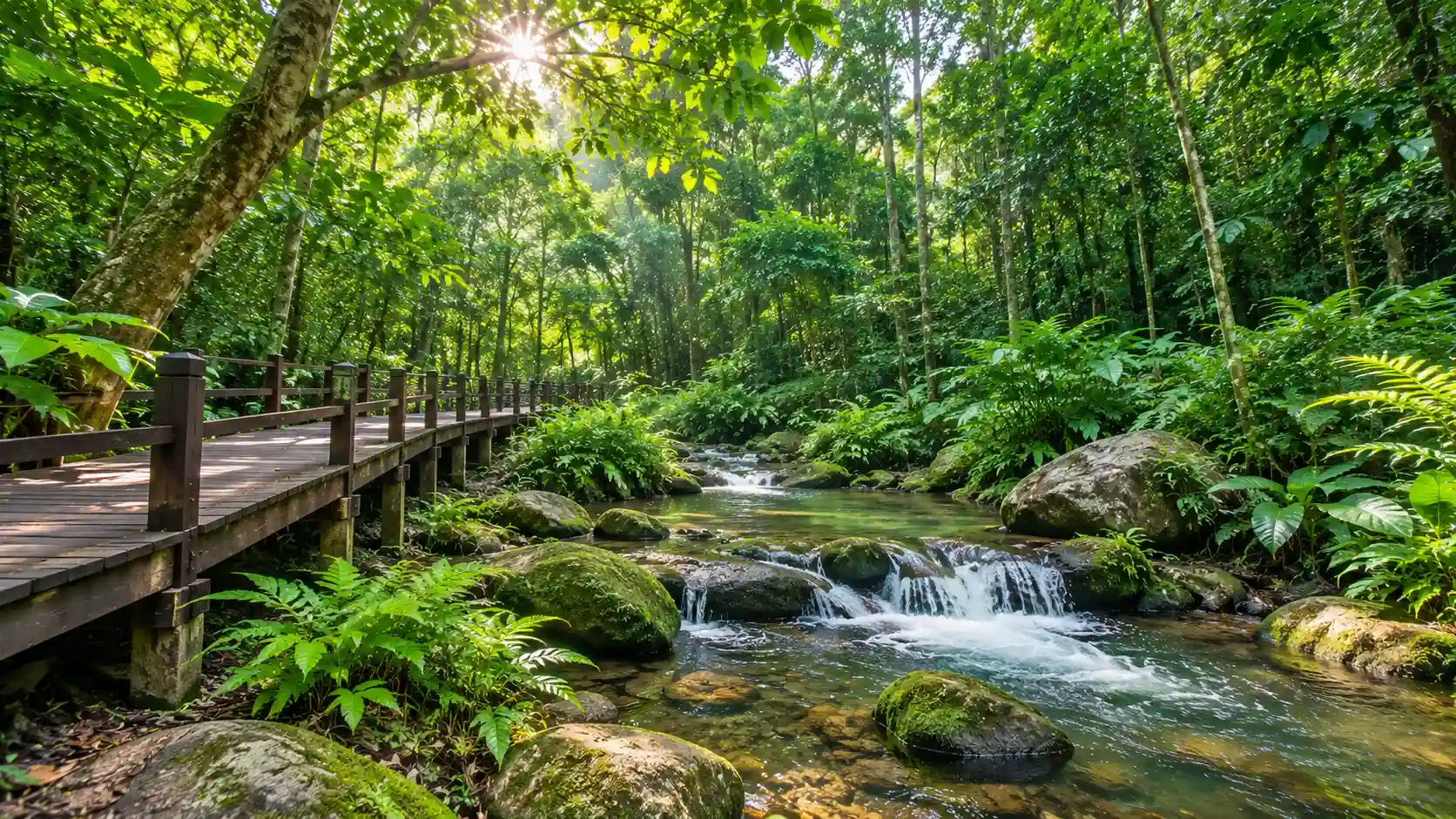
One of the most interesting features of Tengah is its nature-focused planning. Instead of treating greenery as an additional feature, its designers have included green spaces throughout the town. Residential areas connect with landscaped walkways, parks, and community gardens. The development also aims to encourage walking, cycling, and public transport. These features support healthier daily routines and reduce dependence on private vehicles. Tengah is gradually becoming an attractive residential destination for people seeking modern homes, convenient facilities, and a greener lifestyle.
The Five Districts of Tengah
Tengah is divided into five residential districts, each planned with its own character and community facilities. These districts are Plantation, Garden, Park, Brickland, and Forest Hill. Their designs reflect different aspects of nature, recreation, and neighbourhood living. Together, they create a town with several connected residential communities. The Plantation, Garden, and Park districts are central to the town’s early development. Brickland and Forest Hill will add further housing and green spaces as construction progresses. This district-based approach helps organise future facilities and residential development.
Each district is expected to offer different experiences for residents. Plantation District focuses on convenient neighbourhood facilities and green connections. Garden District brings residential communities closer to landscaped spaces and water features. Park District is planned around the town’s central activities and pedestrian-friendly environment. Brickland reflects the area’s historical connection with brick manufacturing, while Forest Hill emphasises natural surroundings. These different identities give Tengah a distinctive character. They also help create neighbourhoods where residents can access everyday facilities without travelling long distances.
Plantation District
Plantation District is one of the earliest developed areas in Tengah. It is planned to accommodate approximately 10,000 homes when fully completed. One of its important features is Plantation Farmway, a green connector measuring around 1.3 kilometres. It links residential blocks with community facilities and neighbourhood destinations. Residents can enjoy landscaped pathways, playgrounds, fitness corners, and community gardens. The area is designed to make everyday activities more accessible. Plantation District also provides an example of how greenery can become part of ordinary residential life.
Another important attraction is Plantation Plaza, a neighbourhood shopping centre with approximately 75 shops. It includes a supermarket, food court, dining options, retail outlets, and other services. Residents can purchase daily essentials without travelling to distant shopping areas. The nearby community facilities also support social activities and family gatherings. As more households settle in Plantation District, its local services become increasingly important. The combination of housing, shopping, and green connections makes this district a useful starting point for understanding everyday life in Tengah.
Garden District
Garden District is designed around greenery, outdoor recreation, and comfortable residential surroundings. When fully developed, it is expected to accommodate approximately 7,000 homes. Its green spaces help connect different housing communities with recreational facilities. Garden Farmway is an important feature, extending approximately 1.5 kilometres through the district. It connects residential areas with playgrounds, fitness corners, and community gardens. The planned Central Park and Tengah Pond will also strengthen the area’s natural character. These features encourage residents to spend more time outdoors.
The district’s playgrounds are another interesting part of its design. Some playground themes draw inspiration from treehouses and common garden insects. These spaces encourage children to explore, play, and enjoy outdoor activities. Families can also benefit from landscaped surroundings and convenient connections between residential blocks. Garden District is particularly focused on creating a welcoming neighbourhood environment. As additional housing and community facilities become available, residents will have more opportunities to enjoy outdoor recreation and social activities within their local area.
Park District
Park District is planned as the largest residential district in Tengah, with approximately 13,000 homes when fully completed. It is designed to become an important centre for community activities and everyday convenience. One of its major features is the planned car-free town centre. Roads will run underneath the development, allowing the ground level to prioritise pedestrians. This arrangement is intended to create a safer and more comfortable environment for walking and cycling. Residents will also benefit from connections with public transport and nearby community facilities.
Parc Point is another important neighbourhood destination in Park District. It offers shopping, dining, and everyday services, alongside a polyclinic for residents. The area also includes access to Tengah Bus Interchange. Parc Clover features a sky sports park with jogging and fitness facilities. These developments support active lifestyles and provide convenient options for families. As the district expands, additional homes and facilities will help strengthen its role within Tengah. Its pedestrian-focused design also reflects the town’s wider commitment to comfortable and sustainable neighbourhood living.
Green Spaces and Sustainable Living in Tengah
Green living is one of the main ideas behind Tengah’s development. The town includes landscaped walkways, community gardens, parks, and natural connections between residential areas. Its planning also includes a five-kilometre Forest Corridor, designed to strengthen ecological connections with surrounding natural areas. This corridor supports wildlife movement and provides an important green feature within the wider development. The future Central Park will add another major recreational space. Together, these features aim to create a healthier environment for residents while supporting Singapore’s wider sustainability goals.
Tengah also focuses on making outdoor activities part of everyday life. Residents can use green connectors for walking, jogging, and cycling. Families can visit playgrounds, enjoy community gardens, or spend time in landscaped public spaces. These facilities encourage people to remain active without needing expensive recreational memberships. Green surroundings may also make neighbourhoods more pleasant and provide opportunities for social interaction. However, maintaining these spaces requires careful planning and regular management. The long-term success of Tengah’s green vision will depend on balancing residential growth with environmental protection.
Smart Technology and Modern Homes in Tengah
Tengah is recognised for its town-wide approach to smart technology. Its development includes several systems designed to improve convenience, resource management, and environmental performance. These features include smart-enabled homes, smart lighting, and infrastructure designed for electric vehicles. The town also uses environmental studies to guide planning decisions. Such technologies can help improve how residential communities use energy and manage everyday services. Rather than introducing technology into individual buildings alone, Tengah aims to integrate smart solutions into its wider neighbourhood infrastructure.
Another interesting feature is the centralised cooling system available in selected residential developments. This system provides cooling through a shared network rather than relying entirely on individual air-conditioning units. Tengah also incorporates a Pneumatic Waste Conveyance System in its planning. This technology transports waste through underground pipes to collection facilities. These systems are intended to support cleaner and more efficient residential environments. However, residents should understand the operating costs and arrangements of individual facilities before choosing a home. Smart technology can improve convenience, but its practical value depends on proper management.
Transport and Connectivity Around Tengah
Transport connectivity is an important consideration for people planning to live in Tengah. The town has a growing bus network that connects residents with nearby neighbourhoods and transport hubs. Tengah Bus Interchange provides access to several services, helping people travel towards areas such as Bukit Batok, Jurong East, and other destinations. City Direct services also support journeys towards Singapore’s central business district. Cycling paths and planned walking connections further support the town’s car-lite approach. These options provide alternatives to private vehicle travel for everyday journeys.
The upcoming Jurong Region Line is expected to improve rail connectivity significantly. Its stations will connect Tengah with important destinations in western Singapore, including the Jurong Lake District and nearby employment areas. However, the first stage is currently expected to open around mid-2028, following a delay to the original schedule. Until rail services become available, residents will continue depending on buses and other transport options. Anyone considering Tengah should check their daily commuting route carefully. Travel times can vary depending on their workplace, connections, and transport choices.
Shopping, Schools and Everyday Amenities in Tengah
Everyday amenities are essential when choosing a residential neighbourhood. Tengah is gradually developing shopping centres, healthcare facilities, educational services, and community spaces. Plantation Plaza provides supermarkets, dining options, retail shops, and other useful services. Parc Point adds further convenience through its shops and polyclinic. These neighbourhood destinations help residents manage everyday activities closer to home. As the population increases, additional businesses and services are expected to support growing demand. This gradual development is an important part of transforming Tengah into a more complete residential town.
Families with young children can also benefit from the growing number of preschools and planned educational facilities. New schools are being developed to support the expanding population. Community clubs and recreational areas provide additional opportunities for residents to participate in local activities. Healthcare access is another important consideration, particularly for families and older residents. Tengah Polyclinic adds an important healthcare facility to the neighbourhood. However, some facilities are still under development. Residents should check which schools, services, and amenities are currently operating before making housing decisions.
Is Tengah a Good Place to Live?
Tengah offers several advantages for people who appreciate modern housing, green surroundings, and developing neighbourhood facilities. Its nature-focused planning creates opportunities for walking, cycling, and outdoor recreation. Families may appreciate the playgrounds, community gardens, and growing number of local services. The town’s smart infrastructure also offers a different approach to everyday residential living. Furthermore, its location in western Singapore provides connections to established neighbourhoods and employment areas. These features make Tengah an interesting option for people considering a home in Singapore’s developing residential communities.
However, living in a developing town also comes with challenges. Some areas may experience construction activity while new buildings and facilities are completed. Public transport options are improving, but rail connectivity is not yet fully available. Residents may also need to travel outside the town for certain shopping, entertainment, or employment needs. New homeowners should consider their workplace location, daily travel requirements, and housing expenses. Understanding both the advantages and limitations can help people make better decisions. Tengah’s overall convenience will improve as more infrastructure and community facilities become available.
Future Development and Growth of Tengah
Tengah is expected to become a major residential community in western Singapore. Its long-term development includes approximately 30,000 homes across different housing districts. As construction continues, more families are expected to move into the town. New shopping facilities, schools, healthcare services, and recreational spaces will support this growing population. The planned Central Park and future town centre will also contribute to the area’s identity. These developments are intended to create a neighbourhood where residents can access essential services and recreational opportunities within a connected urban environment.
Transport improvements will also play an important role in the town’s future. The Jurong Region Line is expected to provide stronger connections with western employment and residential areas. Additional bus services can help residents travel while railway infrastructure develops. Environmental planning is another important part of future growth. Green spaces and wildlife connections need protection as more residential buildings are constructed. Tengah’s success will depend on how effectively development, transport, community needs, and environmental priorities work together. Its transformation will continue over several years.
Frequently Asked Questions About Tengah
1. Where is Tengah located?
Tengah is located in western Singapore, near established residential areas such as Bukit Batok and Jurong.
2. Why is Tengah called a forest town?
Tengah is called a forest town because its development incorporates green corridors, parks, landscaped spaces, and nature-inspired neighbourhoods.
3. How many districts does Tengah have?
Tengah has five planned districts: Plantation, Garden, Park, Brickland, and Forest Hill.
4. Does Tengah have an MRT station?
Tengah will be served by the Jurong Region Line, with its first stage expected to open around mid-2028.
5. Is Tengah suitable for families?
Yes, Tengah offers family-friendly housing, playgrounds, preschools, healthcare facilities, community spaces, and green recreational areas.
Conclusion
Tengah represents a modern approach to residential development in Singapore. Its combination of smart technology, green spaces, family-friendly facilities, and planned transport improvements makes it an interesting place to explore. The five districts offer different neighbourhood experiences while supporting the town’s wider vision. However, some infrastructure and facilities are still developing, so residents should consider their individual needs before moving. As new homes, transport connections, and community services become available, Tengah is expected to become increasingly established. Understanding its current facilities and future plans can help people make informed housing decisions.