

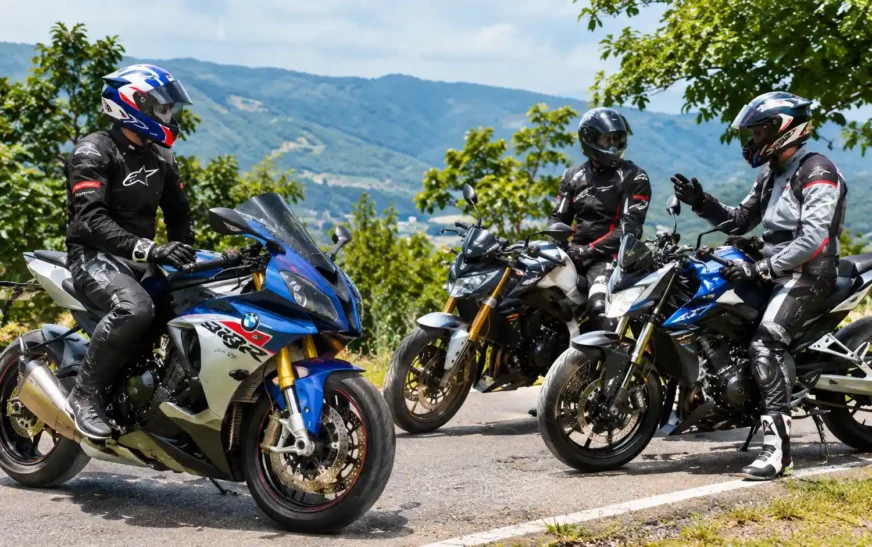
Motorcycling is more than simply riding a two-wheeled vehicle. It combines freedom, adventure, practical transportation, and valuable riding skills. People choose motorcycles for daily travel, weekend journeys, outdoor exploration, and personal enjoyment. However, enjoying the experience requires proper knowledge, preparation, and responsible behavior. Beginners must understand motorcycle controls, road safety, protective equipment, and basic maintenance before starting their journey. Experienced riders also benefit from improving their skills and following safe riding habits. Whether someone wants a motorcycle for commuting or long-distance adventures, understanding the basics makes every journey more comfortable, enjoyable, and rewarding.
What Is Motorcycling?
Motorcycling refers to riding and operating motorcycles for transportation, recreation, sports, or adventure. It includes different riding styles, from short city journeys to long highway trips and off-road exploration. Some people enjoy the independence of traveling on two wheels, while others appreciate the connection with nature and surrounding environments. Motorcycles also offer practical transportation in places where traffic congestion creates daily challenges. However, motorcycling requires concentration, balance, coordination, and an understanding of road conditions. Unlike driving a car, riders have less physical protection during accidents, making preparation and responsible decisions especially important.
The activity attracts people from different backgrounds and age groups. Some riders purchase lightweight motorcycles for everyday commuting, while others prefer powerful touring models for extended journeys. Motorcycle enthusiasts may also participate in organized rides, training sessions, or competitive racing events. Every riding style offers different experiences and requires suitable equipment. For example, someone traveling through busy city streets needs different skills from someone exploring mountain roads. Understanding personal requirements helps riders choose suitable motorcycles and develop confidence. Regardless of experience, learning continuously and respecting traffic rules remain essential parts of responsible motorcycling.
Different Types of Motorcycling
Motorcycling includes several riding categories, each designed around different purposes and environments. Street riding is among the most common because motorcycles provide convenient transportation through urban areas. Sport riding focuses on performance, handling, acceleration, and controlled cornering. Touring involves longer journeys, comfortable seating, luggage capacity, and motorcycles designed for extended travel. Adventure riding combines paved roads with occasional unpaved routes, allowing riders to explore different landscapes. Off-road motorcycling takes place on dirt tracks, trails, and specially designed courses. Each category requires appropriate equipment, suitable riding techniques, and an understanding of its particular challenges.
Choosing a riding style depends on personal interests, experience, budget, and available roads. Beginners often find standard motorcycles or smaller commuter models easier to manage. Touring motorcycles may suit people who regularly travel long distances and need additional storage. Meanwhile, adventure motorcycles offer versatility for riders who enjoy different road surfaces. Sport motorcycles generally have aggressive riding positions and performance-focused designs, which may require additional experience. Before purchasing anything, consider seat height, weight, engine size, and comfort. A motorcycle that matches your physical abilities and riding purpose can make learning easier and improve overall confidence.
Essential Motorcycle Safety Tips
Safety should always come before speed, excitement, or convenience. Every rider needs to understand traffic rules, maintain a safe following distance, and remain aware of surrounding vehicles. Before starting a journey, check the brakes, tires, lights, mirrors, and fuel level. Weather conditions also matter because rain, strong winds, and poor visibility can make riding more difficult. Avoid sudden acceleration, sharp braking, and unnecessary lane changes. Defensive riding is particularly important because other drivers may not always notice motorcycles. Staying alert and anticipating potential hazards gives riders more time to respond safely.
Protective clothing also plays an important role in reducing injuries. Always wear an approved motorcycle helmet that fits correctly and meets applicable safety standards. Protective jackets, gloves, riding trousers, and strong footwear provide additional protection. Bright or reflective clothing can improve visibility, especially during nighttime journeys. Never assume that a short trip requires less preparation than a longer ride. Alcohol, drugs, fatigue, and distractions can seriously affect judgment and reaction time. Responsible motorcycling means understanding personal limits, avoiding unnecessary risks, and choosing safer riding conditions whenever possible.
Essential Gear Every Motorcycle Rider Needs
Proper riding equipment improves comfort, visibility, and protection during everyday journeys. A helmet is the most important item because it helps protect the head during an impact. Riders should choose the correct size and ensure the fastening system works properly. Motorcycle gloves protect hands from abrasion while improving grip and control. A protective jacket with suitable impact protection can reduce injuries to the shoulders, elbows, and back. Riding trousers and reinforced footwear provide additional coverage. Ordinary casual clothing may feel comfortable initially, but it does not offer the same protection as dedicated motorcycle equipment.
Different riding conditions may require additional accessories. Waterproof jackets and trousers help keep riders comfortable during unexpected rainfall. Thermal layers are useful for cold weather, while breathable clothing supports comfort in warmer temperatures. Eye protection prevents dust, insects, and small particles from affecting visibility. Reflective accessories can make riders easier to notice after sunset. However, expensive equipment is not automatically the safest choice. Focus on proper fit, reliable construction, suitable certification, and practical features. Investing in quality protective gear is an important part of responsible motorcycling and should never be treated as an unnecessary expense.
How to Start Motorcycling as a Beginner
Starting motorcycling requires patience, preparation, and practical training. Beginners should first understand basic motorcycle controls, including the throttle, clutch, brakes, gears, and indicators. Learning how these controls work makes the first riding experience less confusing. Enrolling in a recognized motorcycle training course is a sensible starting point. Professional instructors can explain essential techniques, demonstrate safe practices, and correct mistakes before they become habits. Riders should also understand local licensing requirements and complete any necessary tests before using public roads. Starting with structured lessons creates a stronger foundation for future riding experiences.
After learning the basics, practice in a controlled environment with suitable supervision. Begin with starting, stopping, balancing, turning, and changing gears at manageable speeds. Gradually introduce more challenging situations as confidence improves. Avoid riding on busy roads before developing sufficient control and awareness. Choosing a lightweight motorcycle with manageable power can also make learning easier. Beginners should never compare their progress with experienced riders because everyone develops skills differently. Consistent practice, patience, and honest self-assessment help build confidence. The goal is not to ride faster but to become safer, smoother, and more capable.
Motorcycle Maintenance and Regular Checks
Regular maintenance keeps motorcycles reliable and helps identify problems before they become serious. Riders should inspect tire pressure, tread condition, brake performance, lights, and fluid levels regularly. Tires deserve particular attention because they directly affect grip, balance, and stopping ability. The chain should also be checked, cleaned, lubricated, and adjusted according to manufacturer recommendations. Oil changes and filter replacements are important for maintaining engine performance. Following the maintenance schedule in the owner’s manual helps prevent unnecessary wear. A well-maintained motorcycle generally provides a more dependable and comfortable riding experience.
Different motorcycles have different maintenance requirements, depending on their engines, designs, and intended use. Some models require chain adjustments, while others use different final-drive systems. Battery condition, cooling systems, spark plugs, and brake components may also need periodic inspection. Pay attention to unusual sounds, vibrations, warning lights, or changes in handling. These signs can indicate developing mechanical problems that deserve professional attention. Avoid delaying necessary repairs because small issues can become expensive or dangerous. Keeping maintenance records also helps owners track servicing dates, replacement parts, and upcoming inspections throughout their motorcycle ownership.
Benefits and Challenges of Motorcycling
Motorcycling offers several practical and personal benefits. Smaller motorcycles can be easier to park and maneuver through congested streets than many larger vehicles. Some models also provide good fuel efficiency, although actual consumption depends on engine size, riding style, and maintenance. Riding can become an enjoyable hobby that encourages exploration and outdoor activities. Motorcycle communities also give enthusiasts opportunities to share experiences, learn useful skills, and participate in group journeys. For many people, the independence and flexibility of two-wheeled transportation make motorcycling an appealing alternative for suitable everyday travel.
However, motorcycling also involves challenges that riders should consider before purchasing a motorcycle. Exposure to weather, road debris, and surrounding traffic can make journeys less comfortable. Motorcycles generally provide less physical protection than enclosed vehicles, and accidents can result in serious injuries. Protective equipment, insurance, licensing, maintenance, and fuel also contribute to ownership costs. Long journeys may cause fatigue, while poor road conditions can increase riding difficulty. Understanding these disadvantages helps people make realistic decisions. Responsible riders balance the enjoyment of motorcycling with careful planning, proper training, and consistent attention to safety.
Long-Distance Motorcycling: Planning a Better Journey
Long-distance motorcycling can be an exciting way to discover new places and enjoy scenic routes. However, successful journeys require more preparation than ordinary daily commuting. Start by selecting a suitable route and checking road conditions, weather forecasts, and available fuel stations. Inspect the motorcycle before departure and ensure tires, brakes, lights, and fluids are in good condition. Pack essential documents, basic repair supplies, water, and appropriate clothing. Luggage should be secured properly without affecting balance or interfering with motorcycle controls. Careful preparation reduces avoidable problems during extended journeys.
Riders should also plan regular breaks to manage fatigue and maintain concentration. Avoid covering excessive distances without resting because tiredness can affect judgment and reaction time. Drink enough water, eat appropriately, and stop whenever concentration begins to decrease. Weather changes may require adjustments to speed, clothing, and travel plans. When traveling with other motorcyclists, agree on meeting points and maintain safe spacing between vehicles. Never feel pressured to continue when conditions become uncomfortable or dangerous. A successful journey is not measured by distance alone but by reaching the destination safely and enjoying the experience.
Frequently Asked Questions About Motorcycling
1. Is motorcycling suitable for beginners?
Yes, beginners can enjoy motorcycling by choosing manageable motorcycles and completing proper training.
2. What equipment is essential for motorcycling?
A certified helmet, protective jacket, gloves, riding trousers, and suitable footwear are essential.
3. Is motorcycling good for daily transportation?
Yes, motorcycles can provide convenient transportation, especially for suitable routes and commuting conditions.
4. How can I improve my motorcycle riding skills?
Practice regularly, attend professional training, and develop safe braking, turning, and traffic awareness skills.
5. How often should a motorcycle be serviced?
Follow the manufacturer’s maintenance schedule and inspect important components regularly.
Conclusion
Motorcycling offers an enjoyable combination of transportation, independence, adventure, and personal development. However, getting the most from this experience requires preparation, responsible decisions, and continuous learning. Beginners should focus on proper training, manageable motorcycles, and essential protective equipment. Experienced riders should maintain their motorcycles and regularly improve their road awareness. Understanding different riding styles also helps people choose experiences that match their interests and abilities. Most importantly, safety should remain a priority on every journey. Start with the basics, respect your limits, and develop good riding habits. With the right approach, motorcycling can become a rewarding and enjoyable lifelong activity.