
Fire Singapore is an important topic for residents, businesses, and visitors. Fire safety helps protect people, buildings, and valuable belongings from unexpected emergencies. In a busy city like Singapore, residential buildings, offices, shops, and industrial spaces require proper fire protection. Even a small fire can become dangerous when people ignore early warning signs. Understanding common fire risks and prevention methods can make a significant difference. Residents should also know how to respond during emergencies. This guide explains fire safety, prevention, emergency procedures, and practical steps that help communities stay prepared.
Fire incidents can happen for several reasons, including electrical faults, cooking accidents, and careless handling of flammable materials. Singapore’s urban environment makes fire prevention especially important because many people live and work close together. A fire in one building may create risks for nearby areas if it spreads. Therefore, residents should understand basic safety practices and emergency procedures. Proper planning can reduce danger and prevent avoidable damage. Learning about fire Singapore safety measures also helps families, property owners, and employees make better decisions when dealing with potential fire hazards.
Understanding Fire Safety in Singapore
Fire safety involves preventing fires, detecting danger early, and protecting people during emergencies. In Singapore, fire protection is important across homes, offices, shopping centres, schools, and industrial properties. Buildings may use smoke detectors, fire alarms, extinguishers, emergency lighting, and sprinkler systems. These safety features help people recognise danger and respond quickly. However, equipment alone cannot guarantee protection. People must understand how safety systems work and keep emergency routes clear. Regular inspections and responsible behaviour also help reduce the possibility of serious fire incidents.
Singapore’s high-rise buildings require particular attention to fire safety. Residents may need to use staircases and designated evacuation routes during emergencies. Lifts should generally be avoided during a fire unless emergency personnel specifically direct otherwise. Building management teams also play an important role by maintaining safety equipment and organising emergency procedures. Clear instructions help residents understand what to do when alarms sound. Fire Singapore awareness should therefore include both individual responsibility and building-wide preparation. When everyone understands their role, emergency response becomes more organised and effective.
Common Causes of Fire in Singapore
Electrical problems are among the important fire hazards in residential and commercial buildings. Damaged cables, overloaded sockets, faulty appliances, and poor electrical connections can generate dangerous heat. Using several high-power devices through one extension socket may increase the risk. Older electrical equipment can also become unsafe when it receives insufficient maintenance. Residents should replace damaged cables and avoid using appliances that produce unusual smells, sparks, or excessive heat. Regular checks can help identify problems before they develop into serious emergencies.
Cooking activities are another common source of household fire risks. Leaving food unattended, overheating cooking oil, and placing flammable objects near stoves can create dangerous situations. Candles, cigarettes, and improperly stored chemicals may also contribute to accidental fires. In workplaces, machinery problems and unsafe storage practices can increase fire hazards. These risks can often be reduced through simple precautions. People should remain attentive when cooking, switch off unused appliances, and keep combustible materials away from heat sources. Responsible habits make everyday environments safer.
Fire Prevention Measures for Homes
Preventing household fires starts with understanding everyday risks. Residents should check electrical appliances, avoid overloaded power sockets, and switch off unnecessary equipment. Cooking areas should remain clean and free from paper, cloth, and other flammable materials. Matches, lighters, and cleaning chemicals should be stored safely away from children. Smoke alarms should also be installed in suitable locations and tested regularly. These basic measures can improve household protection. Families should discuss emergency plans so everyone knows how to respond if smoke or flames appear.
A home fire safety plan should include clear escape routes and an agreed meeting point outside. Every family member should know how to reach the nearest safe exit. Doors and corridors should remain free from furniture, boxes, and other obstacles. Residents should also understand where essential safety equipment is located. However, nobody should attempt to fight a dangerous fire without proper training and a safe escape route. Fire Singapore prevention begins with small actions that reduce risks before an emergency occurs. Regular preparation helps families respond more confidently.
Fire Safety Equipment and Its Importance
Fire safety equipment helps detect danger, control small fires, and support safe evacuation. Smoke detectors are especially useful because they can warn occupants before flames become visible. Fire extinguishers may help control certain small fires when used correctly. Fire blankets can also help smother suitable small cooking fires. However, different fires require different equipment. Water should never be used on burning electrical equipment or cooking oil. Choosing suitable equipment and learning its correct use are important parts of fire Singapore safety preparation.
Buildings may also have automatic sprinkler systems, fire alarms, emergency lights, and clearly marked exits. Sprinklers can help control or suppress fires, depending on the system and conditions. Emergency lighting helps people identify escape routes when normal electricity fails. Fire doors can slow the spread of smoke and flames when properly maintained and closed. Residents should never block these doors or damage safety equipment. Property managers should arrange regular inspections and repairs. Well-maintained equipment improves building protection and supports a more effective emergency response.
What to Do During a Fire Emergency
Knowing what to do during a fire can protect lives. If you discover flames or heavy smoke, raise the alarm immediately. Contact emergency services and provide the location and nature of the incident. Leave the building using the nearest safe staircase or designated escape route. Avoid lifts because power failures or smoke can make them dangerous. If possible, close doors behind you without delaying your escape. Never return inside to collect personal belongings. Your safety and the safety of others should always come first.
Smoke can spread quickly and make breathing difficult. If smoke fills an escape route, avoid entering it and find a safer alternative. Stay low when moving through an area containing smoke, as cleaner air may be available closer to the floor. If trapped, close doors between yourself and the fire, block gaps where possible, and contact emergency services. Signal your location if it is safe. Follow instructions from emergency personnel and avoid spreading unconfirmed information. Quick, calm decisions can make a major difference during fire emergencies.
Fire Singapore Emergency Services and Response
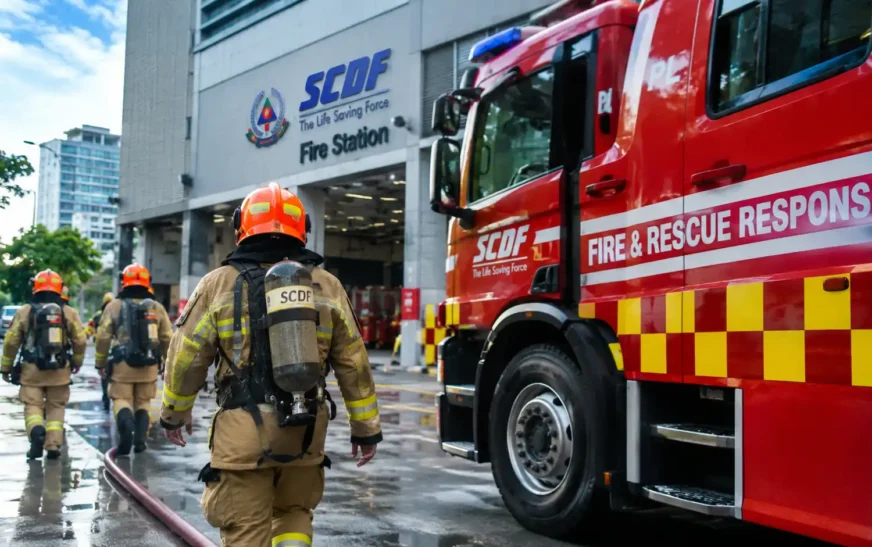
Singapore has dedicated emergency response services that handle fires and other urgent incidents. Firefighters receive training to manage different situations, including residential fires, industrial accidents, and vehicle fires. Their work involves controlling flames, rescuing people, and reducing risks to surrounding areas. Emergency response may also involve medical assistance and coordination with other authorities. These services are important in a densely populated city where incidents can affect several people. Residents should understand how to request emergency help and provide accurate information when reporting an incident.
When reporting a fire, clearly explain the location and what appears to be burning. Mention whether anyone may be trapped or injured, if known. Do not delay calling because you are trying to collect additional information. In Singapore, the emergency number for fire and ambulance services is 995. Keep communication clear and follow the operator’s instructions. Avoid approaching the affected building or blocking access roads. Emergency vehicles need enough space to reach the incident. Public cooperation helps firefighters and other responders carry out their duties more safely.
Fire Safety in Workplaces and Commercial Buildings
Workplace fire safety requires cooperation between employers, employees, and building management. Offices, restaurants, warehouses, and factories may contain different fire hazards. Electrical equipment, cooking appliances, machinery, and stored materials need appropriate safety controls. Employers should identify possible risks and provide suitable emergency arrangements. Employees should understand evacuation routes, alarm procedures, and the location of safety equipment. Regular training helps workers recognise dangerous situations and respond correctly. Clear responsibilities also reduce confusion when an emergency happens during busy working hours.
Commercial buildings should keep emergency exits accessible and ensure safety equipment receives proper maintenance. Storage areas must be organised to prevent combustible materials from creating unnecessary risks. Employees should avoid blocking corridors with deliveries, boxes, or furniture. Fire drills can help workers practise evacuation procedures and identify problems with existing plans. Managers should also review safety arrangements whenever building layouts or workplace activities change. Fire Singapore workplace safety depends on preparation rather than last-minute decisions. A well-organised workplace can reduce risks and protect employees, customers, and visitors.
How to Prepare Children and Families for Fire Emergencies
Children should learn basic fire safety through simple explanations and regular practice. Parents can show them how to recognise smoke alarms and identify safe exits. They should also explain why matches, lighters, and electrical sockets must never become toys. Children need to understand that hiding during a fire can make rescue difficult. Instead, they should leave the building and follow instructions from responsible adults. Teaching these habits early can improve awareness and help children respond more confidently when unexpected situations occur.
Families should practise evacuation plans together and choose a safe outdoor meeting point. Every household member should know at least two possible escape routes where available. Parents should explain how to contact emergency services and provide the home address clearly. Older family members may also need assistance during evacuation, so responsibilities should be discussed beforehand. Keep essential walkways clear and avoid storing belongings near exits. These simple preparations help everyone understand their role. Regular practice makes emergency plans easier to follow when stress levels increase.
Frequently Asked Questions About Fire Singapore
1. What is the emergency fire number in Singapore?
The emergency number for fire and ambulance services in Singapore is 995.
2. What are the common causes of fires in Singapore?
Electrical faults, unattended cooking, overloaded sockets, and careless handling of flammable materials are common fire hazards.
3. How can I prevent a fire at home?
Maintain electrical appliances, install smoke alarms, supervise cooking, and keep flammable materials away from heat.
4. What should I do if a fire starts?
Raise the alarm, evacuate using a safe exit, and contact emergency services immediately.
5. Are fire extinguishers necessary in Singapore homes?
A suitable fire extinguisher can provide additional protection, but residents must understand its correct use.
Conclusion
Fire Singapore safety is essential for protecting homes, workplaces, and public spaces. Understanding fire hazards helps people make safer everyday decisions. Simple actions, such as checking electrical equipment and supervising cooking, can prevent many accidents. Smoke alarms, extinguishers, and clear evacuation routes also improve emergency preparedness. However, people should never take unnecessary risks when facing dangerous flames or smoke. Knowing how to contact emergency services and follow evacuation procedures can save lives. Fire safety requires everyone’s cooperation, not just emergency responders. Stay informed, practise basic precautions, and encourage your family to develop a reliable fire emergency plan.