
A bus lane is a special road section designed mainly for public buses. It helps buses move faster through busy streets and crowded traffic. By giving buses a separate space, cities can make public transport more reliable. A bus lane also helps reduce delays caused by private cars and other vehicles. However, drivers must understand the signs and road markings before using these lanes. Different cities may have different rules about permitted vehicles and operating hours. Learning how a bus lane works helps drivers avoid fines and supports safer, smoother journeys.
Public transport plays an important role in modern cities. Thousands of people depend on buses to reach workplaces, schools, hospitals, and shopping areas. Without dedicated road space, buses can become trapped in heavy traffic. This can make passengers late and discourage people from using public transport. A dedicated lane provides a practical solution to this problem. It gives buses more predictable travel times and improves movement through busy areas. Understanding its purpose is useful for drivers, passengers, cyclists, and anyone interested in better urban transport systems.
What Is a Bus Lane?
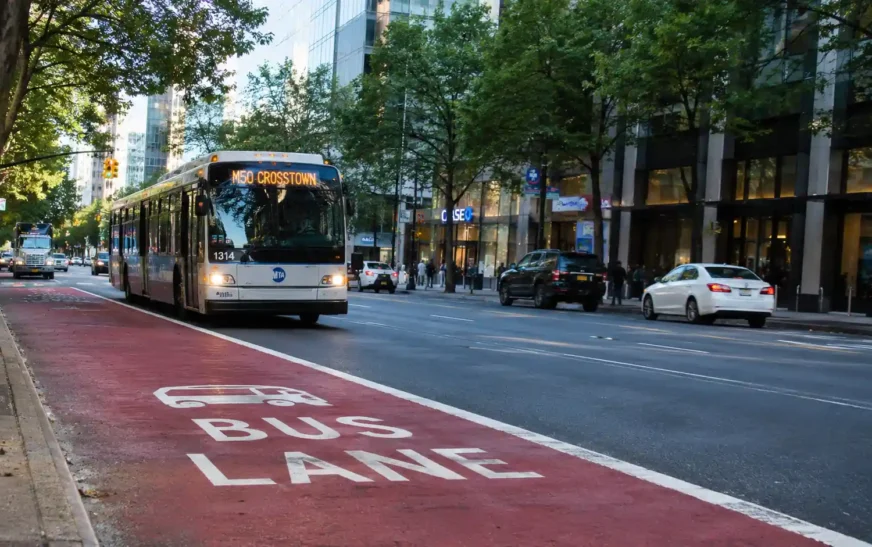
A bus lane is a marked section of a road reserved mainly for buses. It is usually separated from ordinary traffic through painted lines, road signs, or different surface markings. These lanes can appear along the side of a road or between other traffic lanes. Their main purpose is to help public buses avoid congestion and maintain more reliable schedules. Some locations allow additional vehicles, such as taxis or bicycles, to use them. However, permission depends on local traffic regulations and displayed signs.
Bus lanes are commonly found in busy urban areas where traffic congestion creates delays. They may operate throughout the day or during specific peak hours. For example, a road sign might show that bus restrictions apply during morning and evening commuting periods. Outside those hours, other vehicles may be allowed to use the same space. Drivers should always check the signs before entering. A clear understanding of these restrictions helps prevent traffic violations. It also ensures that buses have enough space to transport passengers efficiently.
Why Are Bus Lanes Important?
Bus lanes help public transport operate more efficiently in crowded cities. When buses have dedicated road space, they spend less time waiting behind private vehicles. This can improve journey times and make arrival schedules more predictable. Passengers benefit because they can plan their daily journeys with greater confidence. Reliable bus services are particularly important for people travelling to work, education, and essential appointments. By improving the movement of public transport, dedicated lanes also encourage more people to consider buses instead of private cars.
Another important benefit is better use of existing road space. A single bus can carry many passengers at once, reducing the need for separate cars. Giving buses priority can therefore support more efficient movement of people. However, the success of these lanes depends on proper planning and enforcement. Cities need suitable road designs, clear signs, and regular monitoring. Without these measures, drivers may misuse restricted areas. Effective management helps maintain the purpose of dedicated lanes and improves the overall transport experience.
Different Types of Bus Lane
Bus lanes can have different designs depending on road conditions and transport requirements. One common type is a roadside lane, which runs along the left or right side of a street. It allows buses to travel past ordinary traffic without constantly changing lanes. Another type is a central bus lane, positioned between opposing or general traffic lanes. Central arrangements can help buses avoid roadside parking and delivery activity. However, they require careful planning because passengers need safe access to boarding areas.
Some cities also introduce bus-only corridors with stronger restrictions than ordinary priority lanes. These corridors may allow buses to travel along routes designed specifically for public transport. Special road markings and signs help drivers understand where restrictions apply. Some arrangements include camera monitoring or physical barriers to prevent unauthorised vehicles. The design depends on available space, passenger demand, and local transport policies. Each type aims to improve bus movement. However, drivers should never assume that every marked lane follows identical operating rules.
Bus Lane Road Signs and Markings
Road signs help drivers identify where bus lane restrictions begin and end. These signs usually display information about permitted vehicles and operating hours. Some also explain whether restrictions apply during weekdays, weekends, or particular periods. Road markings provide additional guidance by showing the boundaries of the reserved space. In many places, the words BUS or BUS LANE appear directly on the road surface. These markings make restrictions easier to recognise, especially in busy traffic conditions.
Drivers should pay attention to both signs and painted lines. A lane may have different restrictions at different times, so checking only the road surface is not enough. For example, a bus lane might operate between 7 am and 10 am on weekdays. During other periods, ordinary traffic may be permitted. However, the exact arrangement depends on local regulations. If a sign displays specific restrictions, drivers should follow those instructions. Understanding road signs helps reduce confusion and makes journeys safer for everyone.
Who Can Use a Bus Lane?
Public buses are the main vehicles permitted to use dedicated bus lanes. However, some locations allow additional road users under specific conditions. These may include licensed taxis, bicycles, motorcycles, or emergency vehicles. The exact permissions depend on local traffic rules and the signs displayed along the road. Therefore, drivers should never assume that a vehicle is automatically allowed simply because another city permits it. Checking local regulations is the safest way to understand which vehicles can legally enter.
Emergency vehicles may receive special permission when responding to urgent incidents. This can include ambulances, fire engines, and police vehicles. Some areas also allow certain accessible transport services or authorised public transport vehicles. However, private cars generally cannot enter restricted lanes unless a specific exception applies. Even when a driver needs to turn or reach a nearby property, special rules may control how they cross the lane. Understanding these conditions helps drivers avoid unnecessary mistakes and keeps dedicated space available for public transport.
Bus Lane Rules and Common Restrictions
Bus lane rules are designed to protect space reserved for public transport. Drivers should avoid entering restricted lanes unless signs clearly allow their vehicle. Stopping, parking, or waiting in these areas may also be prohibited. In some locations, vehicles can briefly cross a bus lane to reach a driveway or make a permitted turn. However, this depends on road markings and local regulations. Drivers should never treat a short journey through the lane as automatic permission.
Some restrictions apply only during selected hours, while others remain active throughout the day. Enforcement methods may include traffic cameras, road patrols, and automated number plate recognition systems. Vehicles entering restricted lanes without permission may receive a penalty. The amount and enforcement process vary between locations. Drivers should therefore understand the rules before travelling through unfamiliar areas. Following road signs, maintaining safe distances, and avoiding unnecessary lane changes can prevent violations. These simple habits also help buses continue their journeys without unexpected interruptions.
Benefits of Bus Lanes for Cities
Bus lanes provide several benefits for passengers and urban communities. Their main advantage is improved public transport reliability. Buses can avoid some traffic delays, making it easier for passengers to reach destinations on time. This is especially useful during busy commuting periods. Better service can also make public transport more attractive to people who normally depend on private vehicles. When more people choose buses, cities may experience reduced pressure on crowded roads and parking spaces.
Dedicated bus routes can also support wider environmental and planning goals. Public transport can move many passengers using fewer vehicles than individual car journeys. This may help reduce traffic-related emissions when bus services operate efficiently. However, the actual environmental impact depends on vehicle technology, passenger numbers, and fuel sources. Cities must also consider pedestrian safety, cycling access, and nearby businesses. Good planning balances different road users instead of focusing on one group alone. This creates transport systems that are more practical and accessible.
Frequently Asked Questions About Bus Lane
1. What is a bus lane used for?
A bus lane provides dedicated road space for buses, helping them avoid traffic congestion and maintain more reliable journey times.
2. Can private cars use a bus lane?
Private cars generally cannot use restricted bus lanes unless local signs or regulations specifically permit access.
3. What happens if you drive in a bus lane?
Unauthorised use may result in a traffic penalty, depending on local regulations and enforcement procedures.
4. Can motorcycles use bus lanes?
Some cities allow motorcycles in selected bus lanes, but permission depends on local traffic rules and road signs.
5. Are bus lanes active all day?
Some operate throughout the day, while others have specific operating hours displayed on roadside signs.
Conclusion
A bus lane is an important part of modern urban transport planning. It gives buses dedicated road space and helps improve public transport reliability. These lanes can reduce delays, support efficient travel, and encourage people to use shared transportation. However, their success depends on clear road markings, proper enforcement, and responsible driving. Drivers should always check signs before entering restricted areas because rules differ between locations. Passengers also benefit when buses follow more predictable schedules. Understanding dedicated bus lanes helps everyone become a more responsible road user. Better transport planning can make daily journeys smoother and safer for entire communities.