
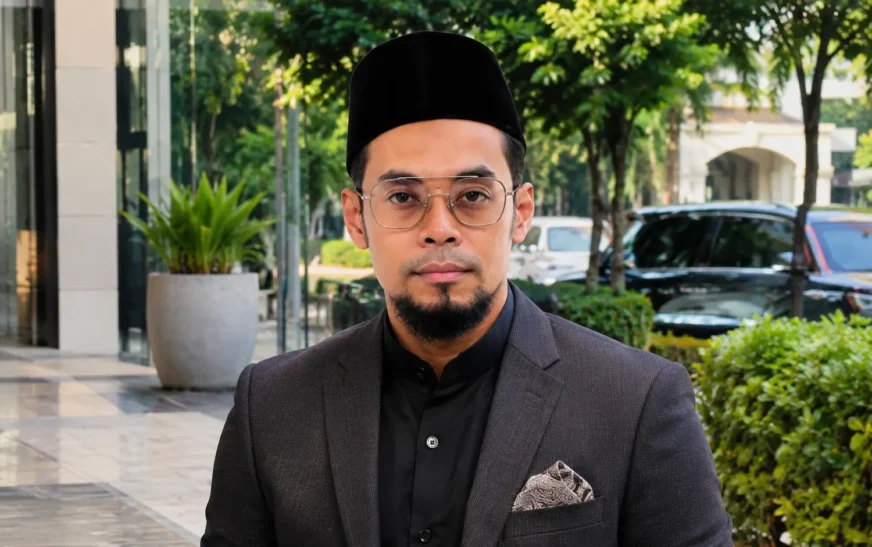
Noor Deros is a name that people may search for when looking for biographical information, personal background, or details about a public profile. However, identifying the correct individual is important before presenting specific facts about their life. Names can refer to different people, and limited information can make accurate identification difficult. Readers searching for Noor Deros may want to understand the person’s identity, career, family background, or public activities. This article explains the available context and highlights why reliable identification matters. It also provides a practical guide to understanding biographical information without confusing confirmed details with assumptions or unverified online claims.
Who is Noor Deros?A brief biography
| Field | Details |
|---|---|
| Full Name | Mohammed Noor Mohammed Deros |
| Popular Name | Noor Deros |
| Profession | Religious Teacher, Islamic Lecturer, Social Media Personality |
| Nationality | Singaporean |
| Birthplace | Singapore |
| Current Residence | Kuala Lumpur, Malaysia |
| Education | Bachelor of Arts in Islamic Creed and Philosophy |
| University | Al-Azhar University, Cairo, Egypt |
| Previous Institution | Madrasah Al-Junied Al-Islamiah, Singapore |
| Field of Expertise | Islamic Theology, Creed and Philosophy |
| Known For | Founding the Wear White movement in 2014 |
| Other Activities | Islamic teaching, writing and online content creation |
| Former Position | President of PERKEMAS in Egypt (2006–2007) |
| Previous Workplace | Masjid En-Naeem, Singapore |
| Organisation | Mental Health Awareness and Support Association (MIASA), Malaysia |
| Reported Position | Second Vice-President of MIASA Malaysia |
| Political Involvement | Public commentary during Singapore’s 2025 General Election |
| Marital Status | Reportedly married |
| Children | Has children, according to media reports |
| Social Media | Facebook and YouTube |
| YouTube Channel | UND – Ustaz Noor Deros Official |
Who Is Noor Deros?
Understanding who Noor Deros is requires reliable information that clearly identifies the individual. A name alone does not establish someone’s occupation, nationality, age, education, or professional achievements. These details should come from credible biographical material or other information that can be independently checked. Without sufficient context, assigning a particular identity to Noor Deros could lead to confusion with another person. A trustworthy biography should begin with established facts and explain the individual’s relevance to readers. This approach creates a useful foundation for further research while avoiding unsupported claims that might make an article appear more complete than the available evidence allows.
People often search for a name because they have encountered it in a conversation, online post, professional setting, or news story. The reason behind a search can vary considerably from one reader to another. Some may want a short biography, while others may be interested in someone’s career or public activities. For Noor Deros, additional identifying details would help establish which information is relevant. A responsible profile should therefore distinguish confirmed information from unanswered questions. Readers benefit most from clear explanations, accurate context, and useful details rather than assumptions about someone’s identity or personal history. Read more : Melvin Lim Grayce Tan
Noor Deros’s Education and Early Career
Noor Deros, whose full name is Mohammed Noor bin Mohammed Deros, is a Singaporean Islamic preacher known for his religious teachings and public commentary. He studied at Madrasah Al-Junied Al-Islamiah in Singapore between 1991 and 2003. He later attended Al-Azhar University in Cairo, Egypt, from 2004 to 2008, where he studied Islamic creed and philosophy. His educational background helped shape his interest in religious theology and philosophical questions. After returning to Singapore, he worked at Masjid En-Naeem between 2009 and 2011. He subsequently began working independently as a religious preacher.
His early career focused on Islamic education, religious discussions, and community engagement. Noor Deros became known for discussing Islamic beliefs and their relationship with modern social issues. His interests included questions about morality, religious identity, and philosophical challenges to traditional beliefs. These subjects later became central to his public commentary and online content. His educational experience also provided a foundation for discussing classical Islamic theology with contemporary audiences. Although his views have attracted both support and criticism, his background helps explain the religious and intellectual themes that continue to shape his public profile.
What Is the Wear White Movement?
Noor Deros gained wider public attention in 2014 after launching the Wear White movement in Singapore. The campaign encouraged Muslims to wear white clothing during prayers around the time of the annual Pink Dot event. The movement expressed opposition to the growing acceptance of LGBTQ people and promoted what its supporters described as traditional family values. Its launch generated discussion about religion, social attitudes, and the role of religious leaders in public life. Wear White became an important part of Noor Deros’s public identity, bringing him attention beyond religious education and theological discussions.
The campaign also attracted criticism from people who believed it encouraged discrimination against LGBTQ individuals. Singapore’s Islamic Religious Council, commonly known as MUIS, clarified that mosque activities should not be presented as a movement against the LGBTQ community. The debate highlighted differences within Singaporean society regarding religious beliefs, personal identity, and public expression. The movement also demonstrated how social campaigns can become widely discussed when they involve sensitive cultural issues. Understanding this background is important when exploring Noor Deros because the Wear White campaign played a significant role in establishing his public reputation and influencing later discussions about his views.
Why Is Noor Deros Not Recognised as an Islamic Teacher in Singapore?
An important part of Noor Deros’s biography concerns his accreditation status in Singapore. In 2017, he applied to be recognised under the Asatizah Recognition Scheme, which establishes professional standards for Islamic religious teachers. According to Singapore’s Asatizah Recognition Board, his application was unsuccessful because he did not agree to comply with the scheme’s code of ethics, despite receiving guidance from senior religious teachers. The board explained that the framework supports accountability, integrity, and social harmony. Consequently, Noor Deros is not recognised under the scheme and is not permitted to preach as an accredited religious teacher in Singapore.
This distinction is important because religious education and official accreditation are not the same thing. Someone may have studied Islamic theology without receiving formal recognition under a particular country’s regulatory framework. Singapore’s recognition system sets requirements for people who wish to serve as recognised Islamic religious teachers. The board’s decision concerned compliance with those requirements rather than simply whether someone had attended a religious institution. For readers researching Noor Deros, understanding this distinction provides useful context about his professional standing. It also helps explain why his activities and public commentary have continued outside Singapore’s recognised religious teaching framework.
Noor Deros’s Life and Religious Work in Malaysia
Noor Deros is based in Malaysia, where he has continued his work as an independent religious preacher and educator. His activities have included teaching Islamic creed, discussing theology, and exploring questions about philosophy and modern society. He has also participated in events related to religious understanding and mental health awareness. His move across the border allowed him to continue developing an audience beyond Singapore’s formal religious teaching environment. Malaysia’s larger Islamic education landscape provides a different setting for his activities, although his views and public statements have continued to attract debate among people familiar with his work.
His professional activities have also extended into mental health advocacy. Publicly available profiles have identified him as a vice-president of MIASA Malaysia, an organisation involved in mental health awareness and support. This association represents another aspect of his public work beyond religious teaching. However, readers should distinguish his organisational activities from his personal religious opinions and political commentary. Each aspect of his career has its own context and should be evaluated using reliable information. Examining his work in Malaysia provides a broader understanding of Noor Deros as a religious educator, public commentator, and participant in discussions about faith and community wellbeing.
Noor Deros and Singapore’s 2025 General Election
Noor Deros returned to the headlines in April 2025 because of his public statements ahead of Singapore’s general election. He published demands directed at political parties, addressing issues involving Muslim affairs, religious governance, and social values. He also encouraged Muslim voters to consider supporting Workers’ Party candidate Faisal Manap in Tampines. His statements attracted political attention because they connected religious concerns with voting choices. The discussion raised questions about how religious leaders and independent commentators should participate in political debate, especially in a diverse society where racial and religious harmony are important public concerns.
The Workers’ Party subsequently clarified that meetings with religious representatives did not involve promises or agreements in exchange for political support. Government representatives also raised concerns about attempts to influence voters along racial or religious lines. Noor Deros later clarified that the party had listened to his requests, which did not mean it had agreed to them. The episode became part of the wider national discussion about religion and politics during the election. It also demonstrated why statements from individuals, political parties, and government officials should be examined separately before conclusions are drawn about their meaning or implications.
Noor Deros’s Online Presence and Religious Content
Online platforms have helped Noor Deros reach audiences interested in Islamic theology, religious education, and contemporary social questions. His public content has included discussions about Islamic beliefs, philosophy, morality, and the challenges facing religious communities. Video platforms allow him to present longer explanations, while social media supports shorter commentary and interaction with followers. This approach reflects a wider change in religious communication, where teachers increasingly use digital platforms alongside traditional teaching methods. For readers exploring Noor Deros, his online work provides insight into the subjects he discusses and the arguments he presents to people interested in religious and philosophical questions.
His digital presence has also contributed to debate about the influence of online religious commentary. Supporters may appreciate his willingness to discuss controversial subjects, while critics may disagree with his positions or question their social effects. These different reactions are part of the public discussion surrounding his work. However, a person’s online popularity does not automatically establish the accuracy of every statement they make. Readers should consider the evidence behind individual claims and distinguish personal opinions from established facts. Approaching religious content thoughtfully can help audiences understand different perspectives while making informed decisions about the information they encounter online.
Noor Deros’s Personal Life and Family
Public information about Noor Deros’s personal life is limited compared with details about his education, religious work, and public statements. Published reporting has described him as married and a father, but detailed information about his family is not widely documented. For this reason, a responsible biography should avoid guessing his spouse’s identity, his children’s names, or other private details that lack reliable public confirmation. His public profile is primarily associated with religious education, social commentary, and political discussions. Keeping these areas separate helps readers understand his public activities without confusing personal privacy with information that is relevant to his professional background.
When researching public figures, it is helpful to distinguish information they have shared publicly from claims repeated without clear evidence. Family details can be especially sensitive because relatives may not participate in public discussions or seek attention themselves. A useful biography should focus on facts that help explain the person’s career, education, and public influence. In Noor Deros’s case, the available information provides a clearer picture of his religious studies, teaching activities, and involvement in public debates than it does of his family life. Readers seeking a fuller understanding should prioritise documented events and reliable biographical details over speculation about private matters.
Frequently Asked Questions About Noor Deros
1. Who is Noor Deros?
Noor Deros is a Singaporean Islamic preacher known for religious teachings and public commentary.
2. Where did Noor Deros study?
He studied at Madrasah Al-Junied Al-Islamiah and later attended Al-Azhar University in Cairo.
3. What is Noor Deros known for?
He is known for founding the Wear White movement in Singapore in 2014.
4. Where does Noor Deros live?
Public reporting has identified Malaysia, particularly Kuala Lumpur, as his base.
5. Is Noor Deros an accredited Islamic teacher in Singapore?
No. His application under Singapore’s Asatizah Recognition Scheme was unsuccessful in 2017.
Conclusion
Noor Deros is a Singaporean religious preacher whose education, public activities, and controversial statements have attracted attention over the years. His studies at Al-Azhar University helped shape his interest in Islamic theology and philosophy. He later became known for the Wear White movement, his independent religious work in Malaysia, and his involvement in public discussions about religion and politics. His accreditation status in Singapore and statements during the 2025 general election also contributed to public debate. Understanding Noor Deros requires examining these developments carefully, distinguishing documented facts from opinion, and considering the broader social context surrounding his activities. Readers can explore related biography articles and guides to religious and political developments for additional context.