
Air quality Singapore is an important topic for residents, visitors, and anyone planning to travel to this modern city. Although Singapore is known for its clean streets and green spaces, air pollution can still affect daily life. Traffic emissions, industrial activities, construction work, and regional haze can influence the air people breathe. Understanding these factors helps people make better decisions about outdoor activities and personal health. Air quality can change throughout the day, depending on weather conditions and pollution sources. Therefore, checking pollution levels regularly is a useful habit for families, workers, and tourists.
What Is Air Quality Singapore?
Air quality Singapore describes how clean or polluted the air is across the city-state. It depends on the amount of harmful particles and gases present in the atmosphere. These pollutants may include fine particulate matter, ground-level ozone, nitrogen dioxide, and sulfur dioxide. Some pollutants come from local activities, while others travel across borders. Singapore generally maintains strong environmental controls, but pollution levels can still rise under certain conditions. Understanding air quality helps people recognise when outdoor activities may require extra care. It also explains why clear skies do not always mean completely clean air.
Air pollution affects different people in different ways. Healthy adults may experience few problems when pollution levels remain low. However, children, older adults, and people with asthma or heart conditions may be more sensitive. Fine particles can enter the lungs and affect breathing, especially during periods of haze. Even people without existing health conditions may experience irritation when pollution becomes elevated. Checking local air quality information can help people decide whether to exercise outdoors or remain inside. For more practical advice, readers can also explore our guide to healthy living in Singapore for everyday wellness tips.
How Is Air Quality in Singapore Measured?
Singapore’s air pollution is commonly assessed using the Pollutant Standards Index, known as PSI. This index helps the public understand overall air pollution levels through a simple numerical scale. A lower PSI generally indicates cleaner air, while a higher reading suggests greater pollution. The index considers several pollutants and helps communicate possible health concerns. People can use these readings to make informed decisions about outdoor activities. However, the PSI does not describe every possible health risk. Understanding the index is therefore useful when comparing daily conditions and deciding what precautions may be appropriate.
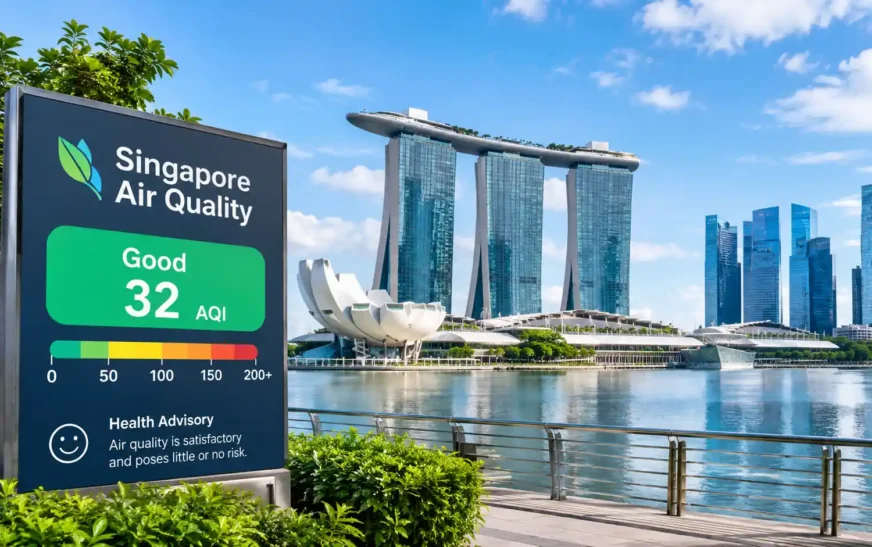
The PSI categories help explain whether air conditions are satisfactory or require additional attention. Readings from 0 to 50 are considered good, while readings from 51 to 100 are moderate. Values between 101 and 200 are unhealthy, and higher readings indicate more serious pollution conditions. Singapore also monitors fine particulate matter, including PM2.5, which consists of tiny airborne particles. These particles are important because they can penetrate deep into the lungs. When checking air quality, consider both the general index and available pollutant measurements. This approach provides a clearer understanding of potential exposure and appropriate precautions.
What Causes Poor Air Quality Singapore?
Vehicle emissions are one source of air pollution in Singapore. Cars, buses, motorcycles, and heavy vehicles release gases and particles that can affect nearby air quality. Industrial activities and energy production also contribute to certain pollutants. Construction sites may generate dust, particularly when materials are moved or surfaces are disturbed. Singapore uses environmental regulations and pollution controls to manage these sources. Nevertheless, emissions can still affect local conditions, especially in busy urban areas. People living or working near major roads may benefit from understanding how traffic patterns and nearby activities influence their everyday exposure.
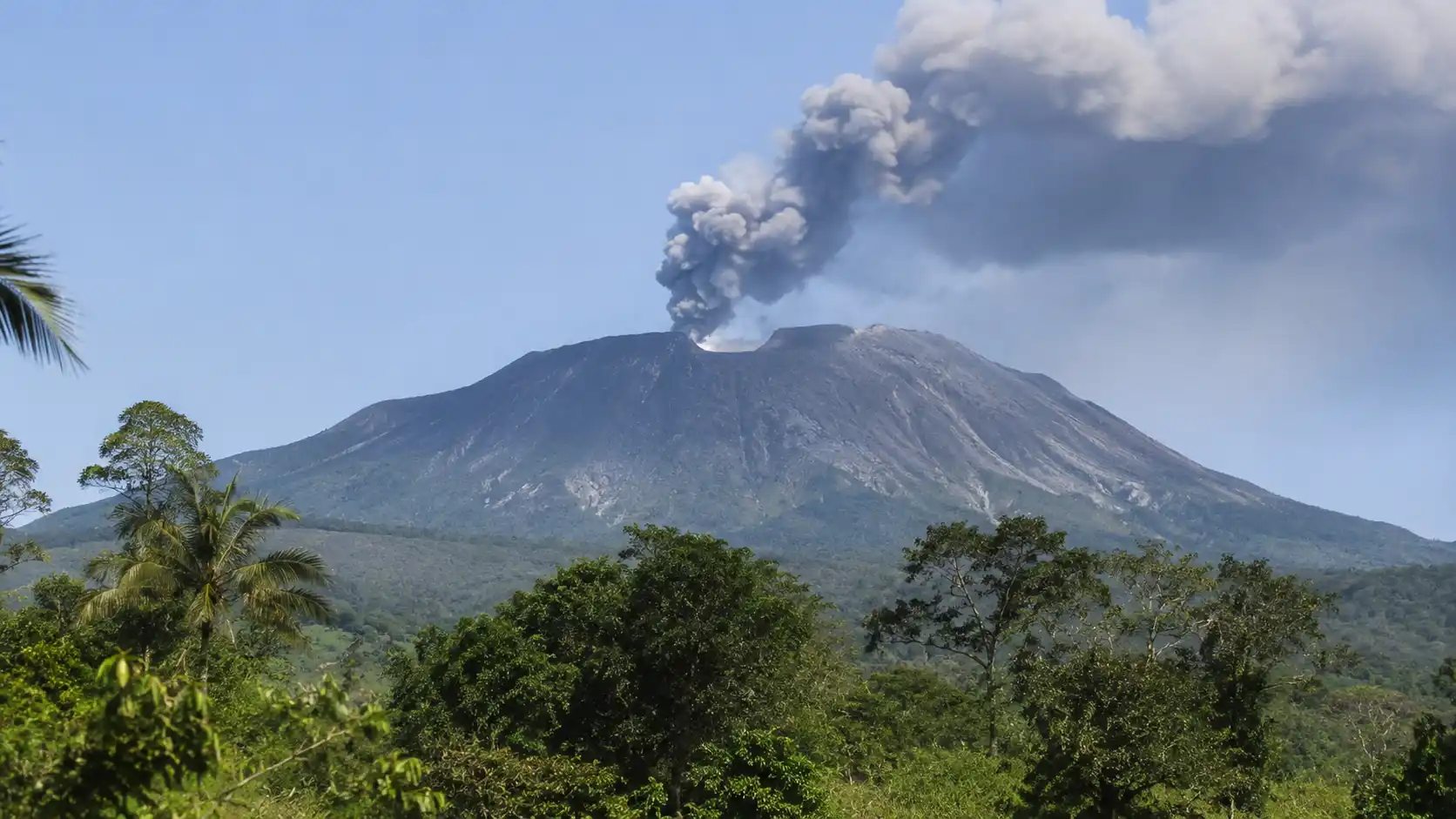
Regional haze is another important factor affecting air quality Singapore. It can occur when smoke from vegetation fires travels across Southeast Asia, including from areas outside Singapore. Weather conditions and wind direction influence whether this smoke reaches the island. During haze episodes, fine particles may increase even when local activities remain unchanged. Dry weather and limited rainfall can also allow pollutants to remain in the atmosphere longer. These conditions explain why air pollution sometimes changes quickly. Following regional weather information and local air quality updates helps residents prepare for possible haze and adjust outdoor plans when necessary.
How Does Weather Affect Air Quality Singapore?
Weather conditions can influence how pollution spreads and how long it remains in the air. Wind can carry pollutants away from one area or transport smoke from distant locations. Rain may help remove some airborne particles, although its effects vary. During periods of weak wind, pollutants can sometimes accumulate instead of dispersing quickly. Temperature, humidity, and atmospheric conditions can also influence certain pollutants. Singapore’s tropical climate brings warm temperatures and frequent humidity, but these conditions do not automatically mean pollution levels will be high. Monitoring actual readings provides more useful information than judging air quality by weather alone.
Seasonal weather patterns can also influence regional haze in Singapore. During drier periods, vegetation fires may become more likely in parts of Southeast Asia. Smoke can travel long distances, depending on wind direction and atmospheric conditions. However, haze does not occur at the same intensity every year, and its timing can vary. Residents should therefore avoid assuming that every dry day will bring unhealthy air. Instead, check current pollution readings before planning long outdoor activities. Understanding weather patterns alongside air quality measurements helps people recognise possible risks without unnecessary worry. It also supports better planning for exercise, travel, and family activities.
How Does Air Pollution Affect Health?
Poor air quality can irritate the eyes, nose, and throat. Some people may develop coughing, breathing difficulties, or chest discomfort when pollution levels rise. Fine particles are particularly concerning because they can travel deep into the respiratory system. Exposure may also worsen existing conditions, including asthma and certain heart or lung diseases. The level of risk depends on pollution concentration, exposure duration, and individual health. People should pay attention to symptoms during periods of haze or elevated pollution. Anyone experiencing severe breathing difficulties or chest pain should seek urgent medical attention rather than relying on air quality readings alone.
Certain groups need extra care when air pollution increases. Children breathe more air relative to their body size, while older adults may have greater sensitivity to environmental stress. People with asthma, chronic lung disease, or cardiovascular conditions should follow their healthcare professional’s advice. Outdoor workers and people who exercise for long periods may also experience greater exposure. During unhealthy conditions, reducing strenuous outdoor activity can help limit the amount of polluted air inhaled. Moving exercise indoors is another practical option. For additional wellness guidance, readers can explore our article on protecting respiratory health and learn simple ways to support healthier daily habits.
How Can You Check Air Quality Singapore Today?
Checking current pollution levels is a practical way to plan your day. Singapore’s National Environment Agency provides air quality information, including PSI readings and pollutant measurements. These updates help residents understand whether conditions are good, moderate, or unhealthy. Air quality can vary between reporting periods, so checking a recent reading is more useful than relying on yesterday’s conditions. Pay attention to changes during haze episodes or periods of unusual pollution. People who plan outdoor exercise, sightseeing, or activities with children should check conditions before leaving home. This simple habit can help reduce unnecessary exposure when pollution becomes elevated.
When reviewing air quality Singapore readings, consider both the pollution level and your planned activity. A short walk may involve less exposure than running outdoors for an hour. People with sensitive lungs may need extra caution even when conditions seem manageable. Check whether readings are increasing, especially during regional haze. If pollution reaches unhealthy levels, consider postponing strenuous exercise or choosing an indoor alternative. Also, remember that an air quality index is a general guide rather than a personal medical assessment. Combining current readings with your health needs and local advice helps you make sensible decisions about daily activities.
Practical Ways to Protect Yourself From Air Pollution
There are several simple ways to reduce exposure when outdoor air becomes polluted. First, check current air quality before exercising or spending extended periods outside. Second, reduce strenuous outdoor activities when readings indicate unhealthy conditions. Third, keep windows closed when outdoor pollution is high, provided indoor temperatures remain safe. An air purifier with an appropriate particle filter may help reduce indoor particles. Avoid smoking indoors and minimise activities that create additional pollution. These steps cannot eliminate every risk, but they can improve your indoor environment and reduce exposure during haze episodes or other periods of poor air quality.
Wearing a well-fitting particulate respirator, such as an N95, may help reduce exposure to fine particles when outdoor pollution is elevated. Choose a suitable model and ensure it fits securely around your face. Ordinary cloth masks and loose-fitting face coverings generally provide less protection against fine airborne particles. People with breathing difficulties should seek medical advice before using a respirator if they are concerned about tolerating it. Also, avoid assuming that every mask protects against all pollutants, particularly gases. For more everyday guidance, readers can visit our related article about improving indoor air quality and learn how to create a cleaner home environment.
Air Quality Singapore for Tourists and Outdoor Activities
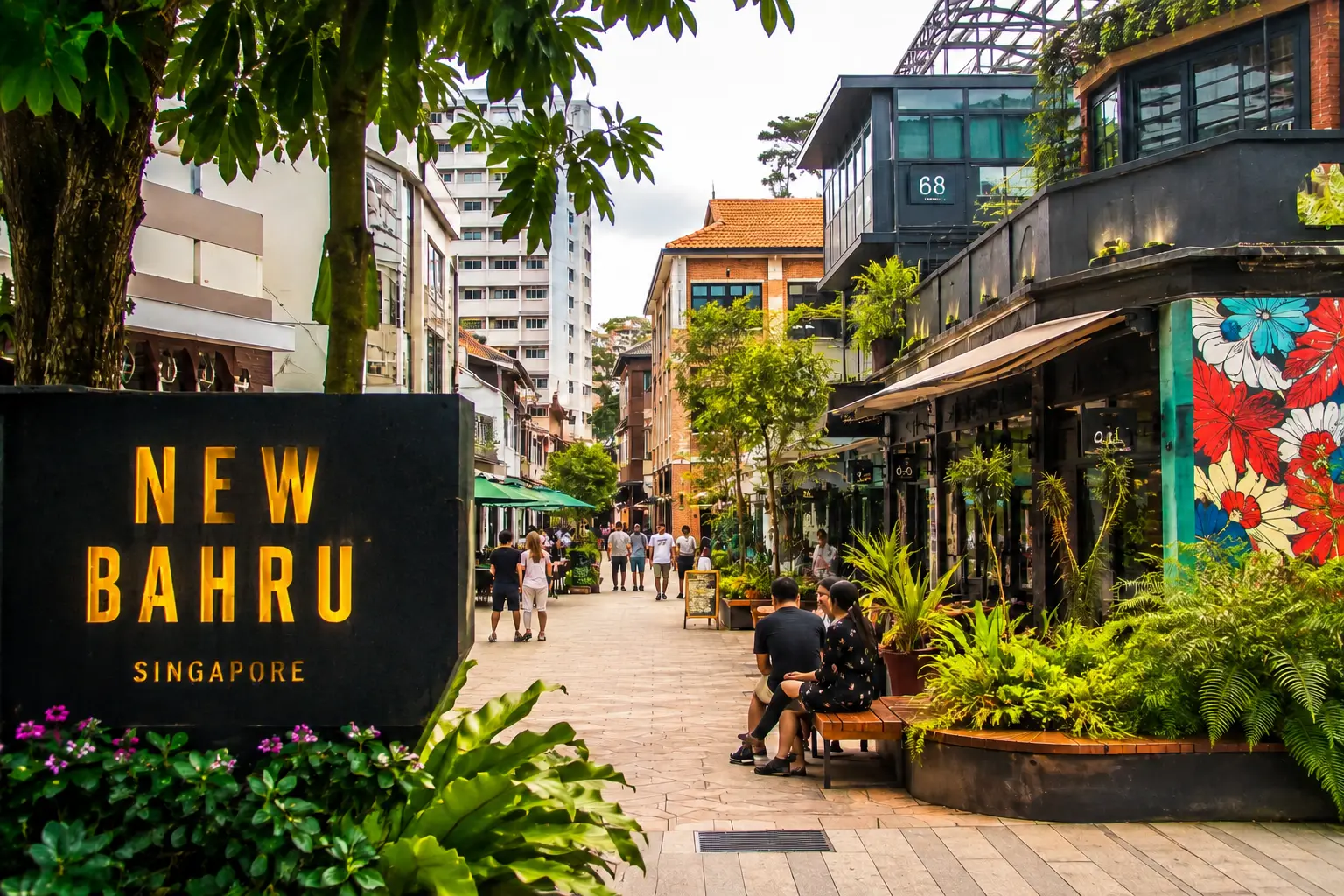
Singapore offers many outdoor attractions, including gardens, parks, waterfront areas, and walking routes. Visitors can usually enjoy these places while taking sensible precautions. Before planning a full day outdoors, check the latest air quality readings and weather forecast. If pollution levels are elevated, consider indoor attractions, museums, shopping centres, or covered activities. Tourists with asthma or other respiratory conditions should carry prescribed medication and follow their usual medical advice. Planning flexible activities makes it easier to adjust when conditions change. This approach helps visitors enjoy Singapore while remaining aware of environmental conditions that may affect comfort and health.
Outdoor exercise requires similar planning for residents and visitors. Walking, cycling, and running can be enjoyable ways to explore the city, but prolonged strenuous activity increases breathing rates and may increase pollutant exposure. Consider exercising indoors when air quality becomes unhealthy. During cleaner conditions, parks and green spaces can offer pleasant places to spend time outside. However, trees and plants do not guarantee that every location has clean air. Pollution can travel across neighbourhoods and from distant sources. Checking current measurements is therefore more reliable than choosing a location based only on its appearance or distance from traffic.
Frequently Asked Questions About Air Quality Singapore
1. Is air quality in Singapore generally good?
Singapore generally maintains air pollution controls, but conditions can change because of traffic, industrial emissions, weather, and regional haze.
2. How can I check air quality Singapore today?
Check the latest PSI readings and pollutant information published by Singapore’s National Environment Agency.
3. What causes haze in Singapore?
Regional vegetation fires can release smoke that travels across Southeast Asia and increases fine particle pollution in Singapore.
4. Is it safe to exercise outdoors in Singapore?
It depends on current pollution levels, your health, and exercise intensity; reduce strenuous activity when air quality is unhealthy.
5. What is the best way to protect yourself from haze?
Check air quality readings, limit strenuous outdoor activities, and use a well-fitting N95 respirator when appropriate.
Conclusion
Air quality Singapore is an important consideration for anyone living in, working in, or visiting the city. Although Singapore has environmental controls, traffic emissions, industrial activities, weather conditions, and regional haze can affect pollution levels. Understanding the PSI, checking current readings, and recognising possible health effects can help people make better daily decisions. Simple precautions, such as reducing strenuous outdoor activity during unhealthy conditions and improving indoor air quality, can also reduce exposure. Make air quality checks part of your routine, especially during haze periods. By staying informed and following practical advice, you can protect your health while enjoying everything Singapore offers.