
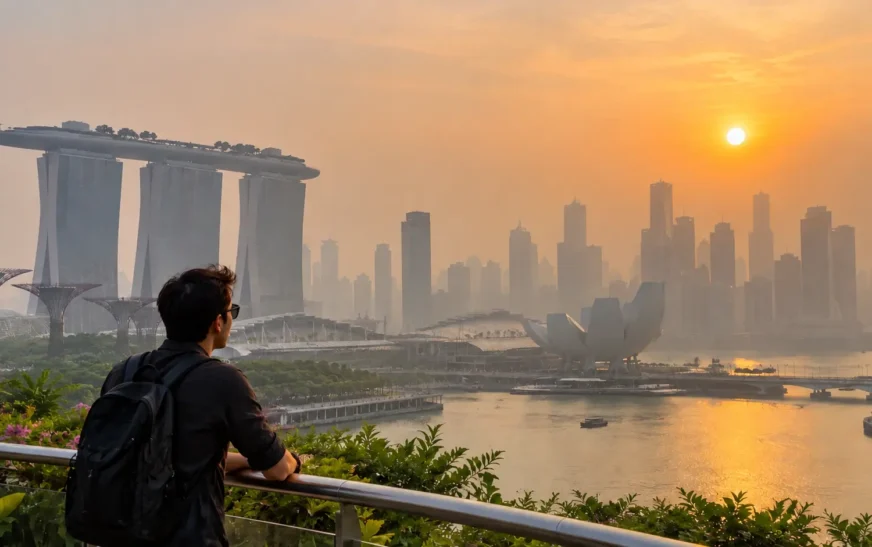
The haze forecast Singapore helps residents understand air quality and prepare for changing outdoor conditions. Haze can reduce visibility, cause breathing discomfort, and affect daily activities. It often occurs when smoke and fine particles travel through the air, sometimes from regional forest and land fires. Checking the forecast helps families, workers, and visitors make informed decisions about outdoor plans. Understanding the Pollutant Standards Index (PSI) is also important because it shows how polluted the air may be. This guide explains haze forecasts, air quality levels, health precautions, and practical ways to stay comfortable when conditions change.
What Is the Haze Forecast Singapore?
The haze forecast Singapore provides information about expected air pollution over the coming hours and days. It helps people decide whether outdoor exercise, school activities, or long walks are suitable. The forecast considers air quality readings, regional fires, wind direction, and weather conditions. These factors help experts estimate whether smoke may reach the island. However, haze conditions can change quickly, so a forecast should not be treated as a guarantee. Checking updated readings before leaving home is a sensible habit. It allows residents to adjust their plans and reduce unnecessary exposure when air pollution increases.
Haze is often linked to smoke from forest fires, peatland fires, and land clearing in nearby regions. During dry periods, fires can produce large amounts of fine particles that travel across borders. Winds may carry this smoke towards Singapore, reducing visibility and affecting breathing comfort. Rain can sometimes help improve conditions, but its effect depends on where the rain falls and how widespread the fires are. Therefore, a clear morning does not always mean the air will remain clean throughout the day. Following the forecast regularly helps residents understand changing conditions and make safer choices.
How to Check the Singapore Haze Forecast Today
Checking the haze forecast Singapore before planning outdoor activities helps you make better decisions. Look for the latest air quality readings, the 24-hour PSI forecast, and health advice. These details provide a clearer picture than simply looking at the sky. Haze may contain tiny particles even when the air does not appear heavily polluted. Conditions can also differ between northern, southern, eastern, western, and central areas. Review the available regional readings instead of assuming the entire island has identical air quality. For important activities, check the forecast again shortly before leaving home.
For the most useful information, compare the forecast with recent pollution measurements. The 24-hour PSI helps you plan activities for the coming day, while one-hour PM2.5 readings help assess more immediate exposure to fine particles. Pay attention to any health recommendations that accompany these figures. If pollution levels rise, consider moving exercise indoors or shortening outdoor trips. Keep checking updates during periods of changing weather or regional fires. This simple routine is especially useful for parents, older adults, outdoor workers, and people who exercise regularly. It can help you respond to worsening conditions before symptoms develop.
Understanding PSI Levels in Singapore
The Pollutant Standards Index, commonly called PSI, measures air pollution using a standard scale. It helps the public understand whether air quality is good, moderate, unhealthy, or more seriously polluted. A lower reading generally indicates better air quality, while a higher reading signals greater concern. The 24-hour PSI is particularly useful for planning activities because it reflects pollution over a longer period. However, it should not be the only factor in your decision. Your health, the intensity of exercise, and the length of outdoor exposure also affect the risks associated with haze.
The main PSI categories are Good, Moderate, Unhealthy, Very Unhealthy, and Hazardous. Readings from 0 to 50 are considered Good, while 51 to 100 fall within the Moderate category. A reading of 101 to 200 is Unhealthy, 201 to 300 is Very Unhealthy, and above 300 is Hazardous. When the haze forecast Singapore indicates unhealthy conditions, people should follow the accompanying health advice. Healthy adults may need to reduce prolonged or strenuous exercise. Children, older adults, pregnant women, and people with heart or lung conditions may require greater precautions.
What Causes Haze in Singapore?
Regional fires are a major cause of haze affecting Singapore, particularly during dry weather. Fires can occur in forests, peatlands, and areas where land is being cleared. Peatland fires are especially difficult to manage because burning material can continue smouldering beneath the surface. These fires release smoke and fine particles into the atmosphere. When winds carry the pollution towards Singapore, air quality can deteriorate even without local fires. The strength and direction of the winds influence how much smoke reaches the island. As a result, haze intensity can change considerably over short periods.
Weather conditions also play an important role in haze development. Extended dry spells can increase fire risk, while suitable winds may transport smoke across regional boundaries. Rainfall can help reduce fire activity in some areas, although it may not immediately remove pollution already present in the atmosphere. Climate patterns can also influence rainfall and dryness across the region. During the traditional dry season, residents should pay particular attention to changing air quality forecasts. Understanding these causes explains why haze does not follow a fixed daily schedule. Monitoring weather patterns and pollution readings together provides a more useful picture.
Health Effects of Haze and Air Pollution
Haze contains fine particles that can irritate the eyes, nose, throat, and respiratory system. Some people experience coughing, sneezing, throat irritation, or breathing discomfort when pollution levels increase. The effects depend on particle concentrations, exposure time, activity levels, and individual health. Strenuous exercise can increase the amount of air you breathe, potentially increasing particle exposure. Even people who usually feel healthy should take official advisories seriously during polluted periods. If symptoms become severe or breathing difficulties develop, seek appropriate medical care rather than assuming the discomfort will disappear without attention.
Certain groups may be more sensitive to haze than others. These include young children, older adults, pregnant women, and people with asthma or chronic heart and lung conditions. Anyone in these groups should pay close attention to air quality updates and follow relevant medical advice. People who use prescribed inhalers or other respiratory medicines should keep them accessible as directed by their healthcare professionals. Avoid changing medication routines without medical guidance. If you want to learn more about protecting your household, an internal article about common air pollution symptoms can provide useful additional information. Early precautions can help reduce avoidable exposure.
Practical Safety Tips During Hazy Weather
When the haze forecast Singapore warns of worsening air quality, simple changes can help reduce exposure. Check the latest readings before walking, cycling, running, or participating in outdoor sports. If pollution levels rise, shorten strenuous activities or move them indoors. Keep windows closed when outdoor air is heavily polluted, where practical, and use suitable air filtration if available. Clean indoor surfaces regularly because dust and particles can collect on them. Drink enough water to stay hydrated, especially in Singapore’s warm weather. However, remember that drinking water does not remove inhaled pollution or replace other protective measures.
Choosing the right mask depends on pollution severity, exposure duration, and personal circumstances. A well-fitted N95 respirator can reduce inhalation of fine particles when used correctly, but it may not be necessary for every short journey. Ordinary cloth masks and loose-fitting surgical masks do not provide equivalent protection against fine airborne particles. Follow current health advisories when deciding whether respiratory protection is appropriate. People with serious heart or lung conditions should consult a healthcare professional if they are unsure about wearing a respirator. For more practical guidance, an internal article about indoor air quality improvement can help you prepare your living space.
How Haze Affects Outdoor Activities and Travel
Haze can affect school sports, outdoor events, sightseeing, running, and other activities across Singapore. The appropriate response depends on the forecast, current readings, and official recommendations. Organisers may need to reduce exercise intensity, change schedules, or move activities indoors when pollution becomes concerning. Parents should check school communications during significant haze episodes. Travellers can also benefit from reviewing conditions before booking outdoor tours or planning long walks. Visibility may decrease when smoke becomes dense, although reduced visibility alone does not reliably indicate the level of harmful particles in the air.
Road users should take additional care when haze reduces visibility. Drivers should slow down when necessary, maintain a safe following distance, and use headlights when conditions require them. Cyclists and pedestrians should remain alert, particularly near busy roads. If you are travelling to the airport or another destination, allow enough time for your journey and check transport updates when visibility is poor. Indoor attractions may provide a practical alternative during periods of elevated pollution. An internal guide to Singapore weather and travel planning can also help readers prepare for changing conditions without relying entirely on outdoor forecasts.
How to Prepare for Singapore’s Haze Season
Preparation is especially helpful during periods when regional fires become more common. Keep an eye on air quality forecasts and learn which household members may need extra protection. Families can prepare a simple plan for moving exercise indoors, adjusting outdoor schedules, and keeping essential medicines accessible. If you have an air purifier, check its filter and follow the manufacturer’s maintenance instructions. A suitable portable air cleaner with a high-efficiency particle filter may help improve indoor air quality when used correctly. Avoid indoor smoking and activities that generate unnecessary particles, as these can worsen indoor pollution.
It is also useful to prepare for sudden changes rather than waiting until haze becomes severe. Save convenient access to air quality readings, enable relevant alerts if available, and discuss backup plans with family members. People who work outdoors should follow workplace safety advice and take appropriate precautions during polluted periods. Check whether planned events have special air quality guidelines before attending. Remember that haze forecasts can change with wind direction, rainfall, and fire activity. Regular updates are more reliable than assumptions based on previous days. Being prepared helps you respond calmly while protecting your health and daily routine.
Frequently Asked Questions
What Is the Haze Forecast Singapore Today?
Check the latest 24-hour PSI forecast and one-hour PM2.5 readings because conditions can change throughout the day.
When Is Haze Most Common in Singapore?
Haze risk often increases during dry periods, particularly when regional fires produce smoke that winds carry towards Singapore.
What PSI Level Is Unhealthy in Singapore?
A PSI reading between 101 and 200 is classified as Unhealthy and calls for appropriate precautions.
Should I Exercise Outdoors During Haze?
Follow the latest health advisory and reduce or avoid strenuous outdoor exercise when pollution levels are elevated.
Which Mask Is Best During Haze?
A properly fitted N95 respirator can reduce exposure to fine particles when its use is appropriate for the conditions.
Conclusion
The haze forecast Singapore is a useful guide for understanding air quality and planning daily activities. By checking PSI levels, one-hour PM2.5 readings, and health advisories, you can make informed decisions about outdoor exercise, travel, and family routines. Regional fires and changing winds can affect conditions quickly, so regular updates are important during the haze season. Take extra care if you have children, older family members, or people with existing heart or lung conditions at home. Stay informed, follow official recommendations, and adjust your plans when needed. A few simple precautions can help you manage hazy days more confidently.