
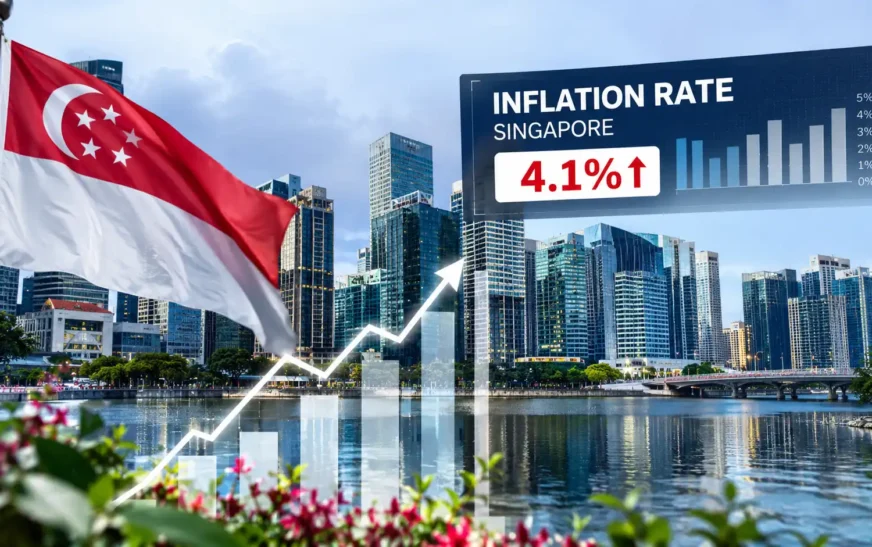
The Singapore inflation rate is an important economic indicator that shows how quickly everyday prices change. It affects household budgets, shopping decisions, housing expenses, and business costs. In September 2026, Singapore’s headline inflation rate reached 2.2% compared with the same month last year. Meanwhile, core inflation stood at 2.0%, showing slightly slower price increases. Although inflation remains relatively moderate, people still experience changes in their daily expenses. Understanding these figures helps residents, businesses, and investors make better financial decisions. This guide explains the latest figures, major price changes, economic factors, and future expectations.
What Is the Singapore Inflation Rate?
The Singapore inflation rate measures how much the prices of everyday goods and services increase over time. It helps people understand whether their money can purchase the same products as before. When inflation rises, households usually spend more on groceries, transportation, healthcare, and other essential needs. However, when inflation slows, prices do not necessarily become cheaper. Instead, they increase at a slower speed. This difference is important when understanding Singapore’s economic conditions. Inflation also helps policymakers evaluate financial stability and decide which economic measures may support households and businesses.
Singapore measures inflation through the Consumer Price Index, commonly called CPI. This indicator tracks price movements across a selected basket of household goods and services. The basket includes food, clothing, transportation, housing-related expenses, education, healthcare, and recreation. Each category receives a different weight based on household spending patterns. For example, food prices can affect the overall index because groceries represent an important household expense. The Singapore inflation rate therefore provides a general picture of changing living costs. However, individual experiences can differ depending on income, family size, spending habits, and housing arrangements.
Latest Singapore Inflation Rate in 2026
The latest available official figures show that Singapore’s headline inflation rate was 2.2% in September 2026. This means consumer prices were 2.2% higher than September 2025. The figure decreased slightly from 2.3% recorded in August 2026. On a monthly basis, overall consumer prices increased by 0.2% during September. These figures indicate that inflation continued but became slightly slower compared with the previous month. The Singapore inflation rate remains an important measure for understanding household purchasing power, economic stability, and changes in everyday expenses across the country.
Core inflation also provides useful information about Singapore’s economic situation. In September 2026, the core inflation rate reached 2.0%, compared with 2.2% in August. This measure excludes accommodation and private transport costs because these categories can experience significant price movements. The difference between headline and core inflation helps explain wider price trends. Although both indicators declined, households may still notice higher expenses in particular categories. For example, grocery shopping or electricity bills can become more expensive even when overall inflation slows. Looking at both measurements gives a clearer understanding of changing economic conditions.
Main Factors Affecting Singapore Inflation Rate
Food prices are among the most important factors affecting household expenses in Singapore. The country depends heavily on imported food, making international supply conditions particularly important. Changes in transportation costs, agricultural production, weather conditions, and global commodity prices can influence grocery prices. When suppliers face higher expenses, businesses may eventually pass some additional costs to customers. Restaurant meals and food delivery can also become more expensive. These changes influence the Singapore inflation rate and household budgets. Even relatively small price increases can make a noticeable difference for families purchasing groceries regularly.
Energy prices also influence inflation because electricity, gas, and fuel affect many economic activities. Businesses require energy to manufacture products, operate buildings, transport goods, and provide services. When international energy prices increase, companies may face higher operating expenses. These additional costs can influence product prices and transportation charges. Singapore’s dependence on imported energy makes international market conditions particularly relevant. Fuel-intensive services can also experience higher expenses when energy costs rise. Therefore, changes in global energy markets remain an important factor when examining the Singapore inflation rate and its future direction.
How Housing and Transportation Affect Living Costs
Housing is another major consideration when discussing the Singapore inflation rate. Accommodation costs can influence the overall consumer price index through rental expenses and other housing-related measurements. People renting private properties may experience different financial pressures from homeowners. Rental prices can change depending on property demand, available housing, location, and market conditions. However, housing inflation does not affect every household equally. Some residents spend a significant portion of their income on rent, while others have different housing arrangements. Understanding these differences helps explain why personal living expenses may feel higher than the national inflation figure.
Transportation costs also contribute to changing household budgets. Expenses can include public transport, private vehicle ownership, fuel, maintenance, and point-to-point transport services. When fuel prices increase, drivers may experience higher operating expenses. Taxi and private-hire journeys can also become more expensive because of changing market conditions. Public transportation costs follow different pricing arrangements and may not move at the same speed. These differences affect how transportation influences overall inflation. For many households, transport remains a regular monthly expense. Monitoring this category helps explain changes in the Singapore inflation rate and everyday spending.
How Singapore Inflation Rate Affects Households
Inflation directly affects how households manage their monthly budgets. When everyday prices increase, families may need to spend more on groceries, transportation, utilities, and personal necessities. This can reduce the money available for entertainment, savings, and other financial goals. Lower-income households may experience greater pressure because essential expenses represent a larger share of their budgets. Even moderate inflation can create difficulties when wages do not increase at a similar pace. Understanding the Singapore inflation rate helps families recognise changing expenses and prepare more realistic spending plans.
Higher living costs can also influence household decisions over time. Some families may compare grocery prices, reduce unnecessary purchases, or choose more affordable transportation options. Others may review subscription payments and adjust their entertainment budgets. These small changes can help protect monthly savings without removing important necessities. However, households should also consider longer-term expenses such as education, healthcare, and housing. A clear understanding of personal spending patterns makes financial planning easier. The Singapore inflation rate provides useful background information, but individual budgets should always reflect actual income and expenses.
Singapore Inflation Rate and Business Conditions
Inflation affects businesses through operating expenses, product prices, and customer demand. When suppliers increase their prices, companies may face higher costs for materials, transportation, electricity, and employee services. Small businesses can experience additional pressure because they may have fewer resources to absorb unexpected expenses. Some companies respond by adjusting product prices, improving efficiency, or finding alternative suppliers. However, increasing prices too quickly can affect customer demand. The Singapore inflation rate therefore matters to business owners who need to manage costs while maintaining competitive products and services.
Businesses also consider inflation when planning investments and future operations. Higher operating expenses can influence decisions about hiring, expansion, equipment purchases, and marketing budgets. Companies serving international customers must also consider currency movements and global market conditions. Meanwhile, businesses with strong financial planning may manage price changes more effectively. Understanding inflation trends helps companies prepare realistic financial forecasts and identify possible risks. It also supports better decisions about pricing strategies and supplier agreements. For Singapore’s business environment, stable inflation can help create more predictable conditions for investment and long-term economic planning.
Singapore Inflation Outlook for 2027
Singapore’s inflation outlook for 2027 depends on several domestic and international factors. These include energy prices, food supplies, labour expenses, global demand, and economic activity. The monetary authorities expect inflation to remain slightly elevated in the immediate future before easing more clearly from the middle of 2027. Their October 2026 projections place both headline and core inflation between 1.5% and 2.5% for the full year. These expectations suggest that price pressures may become more manageable. However, future economic conditions can change, making regular inflation monitoring important.
Several risks could influence the Singapore inflation rate during 2027. Higher global energy prices could increase electricity, fuel, and transportation expenses. Adverse weather conditions may also affect food production and international supply chains. On the other hand, improving supply conditions and controlled domestic costs could help reduce inflationary pressure. Government support measures may also help households manage essential expenses. These factors make future predictions uncertain. Therefore, residents and businesses should avoid relying entirely on forecasts. Following actual monthly price changes can provide a more practical understanding of Singapore’s changing economic situation.
How to Manage Rising Living Costs in Singapore
Managing household expenses becomes important when prices increase across different categories. Families can begin by reviewing their monthly spending and identifying areas where they can save money. Comparing grocery prices, preparing meals at home, and avoiding unnecessary purchases can help reduce regular expenses. Planning shopping lists also prevents impulse buying. Households should consider setting aside a small amount for unexpected costs whenever possible. These practical habits can improve financial management even when the Singapore inflation rate remains elevated. Consistent budgeting is often more useful than making sudden financial changes.
Another useful approach is reviewing long-term financial priorities. Households can compare essential expenses, reduce unused subscriptions, and plan larger purchases carefully. Saving regularly can also provide protection against unexpected increases in living costs. Workers may consider developing professional skills to improve their future earning opportunities. Business owners can review supplier agreements and operating expenses to improve efficiency. However, every financial decision should match individual circumstances and available resources. Understanding inflation, tracking spending, and making realistic plans can help people maintain greater financial stability during changing economic conditions.
Frequently Asked Questions (FAQs)
1. What is the latest Singapore inflation rate?
Singapore’s headline inflation rate was 2.2% in September 2026.
2. What is Singapore’s core inflation rate?
Singapore’s core inflation rate reached 2.0% in September 2026.
3. Why is inflation increasing in Singapore?
Food, energy, transportation, imported goods, and service costs influence inflation.
4. How does inflation affect Singapore residents?
Inflation increases household expenses and can reduce consumers’ purchasing power.
5. What is Singapore’s inflation forecast for 2027?
Headline and core inflation are both projected between 1.5% and 2.5%.
Conclusion
The Singapore inflation rate remains an important indicator of the country’s economic health and household spending conditions. September 2026 recorded headline inflation of 2.2%, while core inflation reached 2.0%. Although both figures declined from August, households may continue experiencing higher expenses in certain categories. Food, energy, housing, and transportation remain important factors influencing living costs. Looking ahead, inflation is expected to become more manageable during 2027, although international developments could change this outlook. Understanding these trends helps residents, businesses, and investors make informed decisions. Regularly monitoring inflation figures and maintaining sensible financial habits can support better long-term financial planning.