

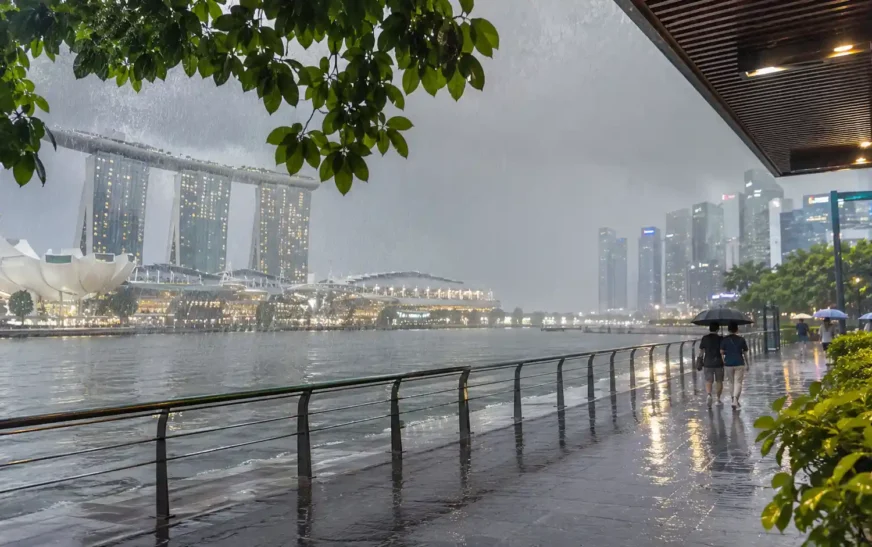
Rain areas Singapore can change quickly because of the country’s tropical climate. One neighbourhood may experience heavy rain while another stays completely dry. This happens because Singapore has frequent local showers, changing winds, and warm temperatures throughout the year. Understanding rain areas Singapore helps residents and visitors plan outdoor activities, travel, and daily routines. Whether you are visiting a shopping district, travelling to work, or enjoying outdoor attractions, knowing how rainfall affects different locations can be useful. This guide explains local rainfall patterns, common rainy periods, weather conditions, and practical ways to prepare for sudden showers.
How Rain Areas Singapore Work
Singapore has a tropical climate with warm temperatures, high humidity, and regular rainfall. However, rain does not always fall equally across the island. Local weather conditions can cause showers in particular neighbourhoods while nearby locations remain sunny. These differences are common because rain clouds develop and move across relatively short distances. Buildings, coastal conditions, wind patterns, and atmospheric moisture can also influence local weather. Therefore, checking the weather for your specific destination is more useful than relying only on a general national forecast when planning outdoor activities.
Rainfall can develop rapidly during the afternoon, especially when warm air rises and forms tall storm clouds. These clouds may produce heavy showers, thunderstorms, and strong winds. Sometimes, rainfall lasts only a short time before the sky becomes brighter again. On other occasions, several rain clouds move across the island and create longer wet periods. This changing pattern explains why two people in different parts of Singapore may experience very different weather conditions on the same day. Understanding these local differences makes daily weather planning easier and more practical.
Which Areas of Singapore Receive More Rain?
Rainfall patterns can differ between eastern, central, western, and northern Singapore. Long-term climate observations generally show higher rainfall in central and western areas. Eastern Singapore tends to receive comparatively less rainfall over the year. However, these are general climate patterns rather than fixed daily conditions. A neighbourhood that usually receives less rainfall can still experience a strong thunderstorm. Similarly, areas with higher average rainfall may remain dry on particular days. This distinction is important when comparing rainfall statistics with current rain conditions across different parts of Singapore.
Some commonly recognised areas include Jurong, Bukit Batok, Clementi, Bukit Timah, Woodlands, Tampines, Bedok, and Changi. Each location can experience different rainfall conditions depending on passing clouds and local weather systems. For example, heavy rain around Jurong does not automatically mean that Bedok will experience similar conditions. Rain clouds can develop, move, or weaken before reaching another neighbourhood. Therefore, checking local rainfall information provides a clearer picture than assuming the entire island shares identical weather conditions.
Seasonal Rainfall Patterns in Singapore
Singapore experiences two main monsoon seasons and two inter-monsoon periods. The Northeast Monsoon usually lasts from December to early March. Its early phase often brings widespread and prolonged rainfall. The Southwest Monsoon generally occurs between June and September. During this period, shorter showers and occasional thunderstorms are common. The transition periods usually happen during late March to May and October to November. These periods can bring afternoon thunderstorms because winds are lighter and atmospheric conditions encourage cloud development. Understanding these seasonal patterns helps explain why rainfall changes throughout the year.
November, December, and January are generally wetter months in Singapore. February is usually the driest month, although rain can still occur. During the wetter Northeast Monsoon phase, monsoon surges sometimes bring continuous rainfall across several locations. Meanwhile, Southwest Monsoon conditions can produce Sumatra squalls, which are organised thunderstorm lines moving eastward. These weather systems may bring heavy rain and strong winds. However, seasonal averages cannot predict exactly where showers will occur on a particular day. Checking current conditions remains important when planning travel or outdoor activities.
Why Does It Rain More in Some Singapore Areas?
Several natural factors explain why rainfall varies across Singapore. One important factor is atmospheric heating during the daytime. Warm air rises and carries moisture into higher parts of the atmosphere. As the air cools, water vapour condenses and forms clouds. When these clouds become sufficiently developed, showers or thunderstorms can occur. Sea breezes also influence cloud formation because Singapore is surrounded by water. These local weather processes help explain why rain can develop over one neighbourhood while another location experiences sunshine. The resulting rainfall differences are especially noticeable during afternoon and evening hours.
Wind direction also plays an important role in local rainfall conditions. Moving air carries moisture and influences where rain clouds develop or travel. During monsoon periods, changing wind patterns can create different rainfall conditions across the island. Buildings and urban structures may influence local wind movement, but they do not provide a reliable way to predict rainfall in individual streets. The surrounding atmosphere remains the main factor behind changing weather conditions. Understanding these natural processes helps explain why rain areas Singapore can change throughout the day without following a fixed geographical pattern.
How to Check Rain Areas Singapore in Real Time
A weather radar is one of the most useful tools for checking current rainfall. It displays areas where precipitation has been detected and helps users understand rain intensity. Different colours usually represent different levels of rainfall, depending on the radar’s legend. Moving radar images can also show how rain clouds travel across the island. This information is useful before leaving home, arranging outdoor activities, or planning a journey. However, radar observations show detected rainfall rather than guaranteeing what the weather will be several hours later.
A short-term weather nowcast provides another useful source of information. It gives an estimate of expected weather conditions over the next two hours. This can help people decide whether to delay a journey or carry an umbrella. Radar images and nowcasts serve different purposes, so using both provides a clearer understanding. Remember that local showers can develop quickly, and conditions may change between updates. For better planning, check the latest rainfall information shortly before travelling. Avoid relying on an old screenshot or an earlier forecast when weather conditions are changing rapidly.
Best Time to Enjoy Outdoor Activities in Singapore
Morning hours can be suitable for outdoor activities because afternoon thunderstorms are common in Singapore. However, morning weather is not always dry, especially during certain monsoon conditions. Visitors planning sightseeing, walking, cycling, or photography should check local forecasts before leaving. Early planning can make outdoor experiences more comfortable. It is also useful to choose activities with nearby indoor alternatives. Shopping centres, museums, and covered attractions can provide convenient options when unexpected rain interrupts outdoor plans. Flexibility is especially helpful for visitors exploring several different neighbourhoods during one day.
Afternoons can become particularly wet when strong sunlight encourages the development of thunderstorm clouds. Therefore, outdoor plans should include enough flexibility for sudden weather changes. If rain is expected, consider visiting indoor attractions first and saving outdoor activities for clearer periods. Comfortable footwear and a lightweight umbrella can also make travelling easier. People visiting parks, gardens, or waterfront areas should pay attention to thunderstorm warnings. Good planning does not require avoiding outdoor activities completely. Instead, understanding local weather conditions helps residents and tourists enjoy Singapore more comfortably throughout the year.
How Heavy Rain Affects Daily Life in Singapore
Heavy rainfall can affect everyday activities, especially during busy travel periods. Roads may become wet, visibility can decrease, and traffic movement may slow down. Pedestrians can also experience difficulties when pavements become slippery. Public transport users should allow additional travel time when severe weather develops. Although Singapore has extensive drainage infrastructure, intense rainfall can sometimes cause temporary water accumulation in low-lying locations. These conditions can affect commuters, delivery workers, tourists, and businesses. Understanding local rainfall patterns helps people prepare for these situations and make safer decisions during wet weather.
Rain can also influence outdoor events, construction activities, sports, and recreational plans. Organisers may need to adjust schedules when thunderstorms or strong winds are expected. People working outdoors should take suitable precautions during heavy rainfall. Avoid walking through flooded roads or standing beneath isolated trees during thunderstorms. If lightning is nearby, move into a substantial enclosed building or an enclosed vehicle. Weather awareness is not only about convenience; it also helps protect personal safety. Preparing for sudden showers can reduce disruption and make daily activities easier during Singapore’s rainy periods.
Practical Tips for Rainy Weather in Singapore
Preparing for sudden rainfall can make everyday travel much easier. Residents and visitors should consider carrying basic rain protection, particularly during wetter months. A small umbrella or lightweight raincoat can be useful when walking between transport stations and buildings. Waterproof bags also help protect electronic devices, documents, and other personal belongings. Comfortable shoes with good grip can reduce slipping on wet surfaces. These simple preparations are helpful for commuters, families, and tourists who spend considerable time exploring different parts of Singapore.
It is also important to follow weather warnings during thunderstorms. Avoid exposed locations, open fields, and outdoor swimming areas when lightning is nearby. Drivers should reduce speed and maintain a safe distance from other vehicles. Pedestrians should avoid crossing flooded areas because water depth can be difficult to judge. If outdoor conditions become unsafe, move to a suitable sheltered location. Checking weather updates before travelling is another useful habit. These precautions help people manage changing rainfall conditions while reducing unnecessary risks during the rainy season.
Frequently Asked Questions About Rain Areas Singapore
1. Which areas in Singapore receive the most rain?
Central and western Singapore generally receive higher annual rainfall than eastern areas, although daily conditions vary.
2. How can I check rain areas in Singapore?
Use a live weather radar and short-term rainfall nowcast to check current conditions.
3. Which month receives the most rain in Singapore?
December is generally among Singapore’s wettest months, based on long-term climate records.
4. Does it rain every day in Singapore?
No, but Singapore experiences frequent rainfall throughout the year, with approximately 171 rainy days annually.
5. What time does it usually rain in Singapore?
Afternoon and early evening showers are common, although rainfall can happen at any time.
Conclusion
Rain areas Singapore can change quickly because of tropical weather conditions, moving clouds, and seasonal wind patterns. Central and western areas generally receive more annual rainfall, while eastern locations are comparatively drier. However, these differences do not guarantee specific daily weather conditions. Checking rainfall radar, short-term forecasts, and weather warnings helps residents and visitors plan their activities. Carrying an umbrella and preparing for sudden showers can also make everyday journeys more comfortable. Whether you live in Singapore or are visiting, understanding local rainfall patterns helps you make better decisions and enjoy your daily activities with greater confidence.