
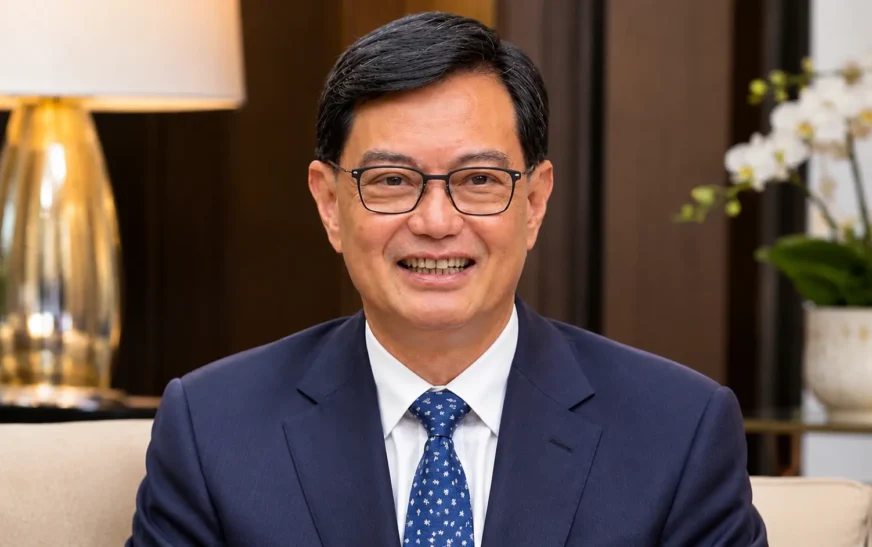
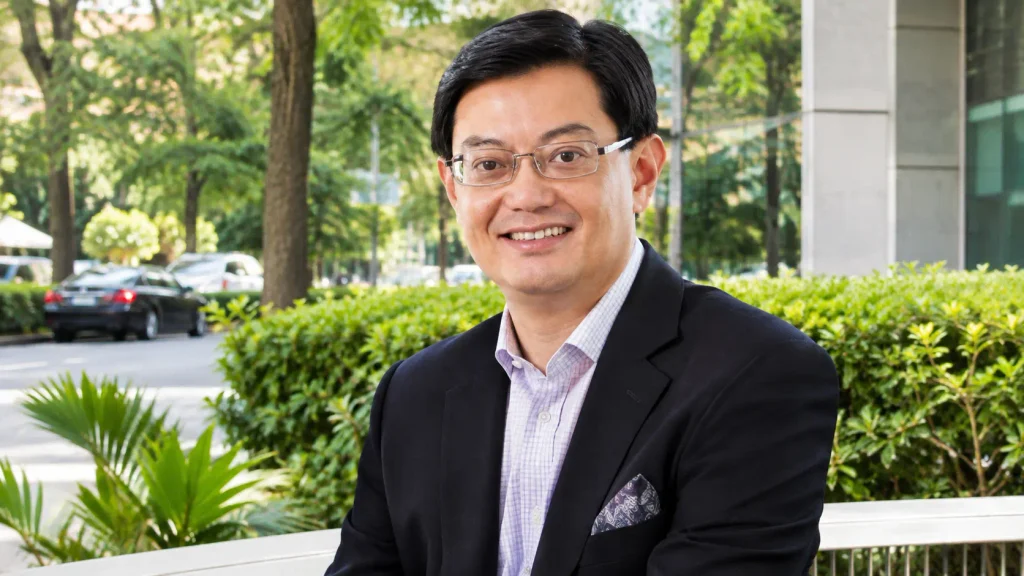
Heng Swee Keat is a Singaporean political leader and public service veteran who held several influential positions in the country’s government. He served as Deputy Prime Minister, Minister for Finance, and Minister for Education during his political career. Before entering politics, he spent many years working in public administration and financial institutions, gaining experience in economic policy and government management. His professional journey reflects a combination of education, leadership, and public service. Heng Swee Keat became an important figure in Singapore’s economic planning and national development. His career provides an interesting example of how experience in public institutions can lead to senior political responsibilities.
Who is Heng Swee Keat? A Brief Biography
| Biographical Detail | Information |
|---|---|
| Full Name | Heng Swee Keat |
| Chinese Name | 王瑞杰 |
| Date of Birth | April 15, 1961 |
| Age | 65 years old (as of 2026) |
| Birthplace | Singapore |
| Nationality | Singaporean |
| Profession | Politician and Public Servant |
| Political Party | People’s Action Party (PAP) |
| Education | Christ’s College, University of Cambridge; Harvard Kennedy School |
| Undergraduate Degree | Economics |
| Master’s Degree | Master of Public Administration |
| Known For | Former Deputy Prime Minister and Minister of Finance of Singapore |
| Deputy Prime Minister | 2019–2025 |
| Minister of Finance | 2015–2021 |
| Minister of Education | 2011–2015 |
| Former Government Position | Managing Director of the Monetary Authority of Singapore (MAS) |
| Civil Service Career | Singapore Police Force and Singapore Administrative Service |
| Current Leadership Role | Chairman of Singapore’s National Research Foundation |
| GIC Role | Director of the GIC Board and Member of its Investment Strategies Committee |
| Awards | Public Administration Gold Medal; Meritorious Service Medal |
| Marital Status | Married |
| Children | Two |
Early Life and Academic Background
Heng Swee Keat was born on 15 April 1961 in Singapore. His early life and education helped shape his interest in public service and national development. He pursued higher education in economics at the University of Cambridge, where he developed a strong understanding of financial systems, economic principles, and public policy. Later, he continued his studies at Harvard Kennedy School, earning a Master of Public Administration degree. These academic experiences provided valuable knowledge for his future work in government. His education prepared him for a career involving economic decisions, public institutions, financial management, and responsibilities that would eventually influence Singapore’s development.
His educational background was particularly useful because his career involved many areas of government administration and financial policy. Economics helped him understand how markets, businesses, employment, and national resources interact. Public administration strengthened his knowledge of government structures and policy implementation. After completing his studies, he began gaining practical experience in Singapore’s public sector. His professional path developed through different departments and leadership roles rather than directly through politics. This combination of academic preparation and practical experience became an important foundation for his later responsibilities as a senior government official, Finance Minister, and Deputy Prime Minister. Read more : Helen Wong
Beginning His Career in Government
Before becoming a politician, Heng Swee Keat worked in Singapore’s public service and developed experience across several government institutions. His early career included work in the Singapore Police Force before he moved into broader public administration roles. These experiences exposed him to government operations, organizational management, and public responsibilities. As his career progressed, he took on increasingly senior positions in different departments. Working across government institutions allowed him to develop a broader understanding of how national policies are prepared, implemented, and managed. This professional background later became valuable when he entered political leadership.
One important stage of his early career involved serving as Principal Private Secretary to Lee Kuan Yew between 1997 and 2000. He subsequently held senior administrative positions, including Permanent Secretary at the Ministry of Trade and Industry and Chief Executive Officer of the Trade Development Board. These roles required leadership, coordination, and an understanding of economic development. His work involved supporting government priorities, managing administrative responsibilities, and helping develop policies related to business and economic activity. By building experience in these positions, he developed the professional background that eventually supported his transition into Singapore’s political system.
His Role in Singapore’s Financial Sector
Heng Swee Keat became Managing Director of the Monetary Authority of Singapore in 2005 and served until 2011. The institution plays an important role in Singapore’s financial system, including financial regulation, monetary policy, and the development of financial services. His responsibilities involved overseeing important areas of financial administration and helping maintain the stability of Singapore’s financial environment. During his tenure, international markets experienced major developments and the global financial crisis. This period provided him with experience in dealing with complex economic challenges and financial issues that required careful policy decisions and effective management.
His work at the Monetary Authority of Singapore strengthened his understanding of banking, financial markets, regulation, and international economic developments. Singapore was also continuing to develop its reputation as a global financial centre. The financial sector required policies that supported growth while protecting stability and public confidence. His responsibilities included working within a complex financial environment involving institutions, businesses, investors, and regulatory frameworks. This experience later became valuable when he took on political responsibilities, especially his appointment as Minister for Finance. His financial sector background was an important part of his professional identity.
Entering Politics and Becoming Minister for Education
Heng Swee Keat entered Singapore’s political arena in 2011, when he was elected as a Member of Parliament. His entry into politics marked a new chapter after years of working in public administration and financial institutions. He was appointed Minister for Education, a position he held from 2011 to 2015. This role placed him in charge of important education-related responsibilities, including policy development, student learning, and the wider direction of Singapore’s education system. His work focused on preparing students for changing social, economic, and professional demands while supporting educational opportunities across the country.
During his time as Education Minister, discussions about learning, skills, student development, and educational pathways remained important. Singapore’s education system was adapting to changing expectations, including the need for practical abilities, creativity, lifelong learning, and personal development. Heng Swee Keat supported approaches that looked beyond examination results and encouraged broader student development. Education policy also had to respond to the needs of a changing economy and society. His experience as Minister for Education gave him additional insight into public policy and government leadership before he moved into the important role of Finance Minister.
His Leadership as Singapore’s Finance Minister
Heng Swee Keat became Singapore’s Minister for Finance in 2015 and held the position until 2021. As Finance Minister, he was responsible for major government financial matters, including budgeting, taxation, public spending, and economic planning. The position required balancing national priorities with financial resources while supporting long-term economic development. His experience in economics and financial administration helped him take on these responsibilities. During his tenure, Singapore faced changing economic conditions, international developments, and challenges that required careful financial planning. His role was central to the government’s management of national financial priorities during this period.
The COVID-19 pandemic became one of the most significant challenges during his time as Finance Minister. Singapore introduced financial assistance measures to support workers, businesses, families, and different economic sectors affected by the crisis. Government budgets included initiatives designed to protect employment, support business operations, and reduce financial pressure on households. These measures required considerable planning and coordination across government agencies. Heng Swee Keat was involved in presenting and managing financial policies during this difficult period. His tenure as Finance Minister became closely associated with Singapore’s efforts to manage the economic consequences of the pandemic.
Heng Swee Keat as Deputy Prime Minister
Heng Swee Keat was appointed Deputy Prime Minister in May 2019. This appointment placed him among Singapore’s most senior government leaders and expanded his responsibilities beyond the Finance portfolio. He served as Deputy Prime Minister until May 2025, contributing to national leadership, economic planning, and government priorities. He also served as Coordinating Minister for Economic Policies from 2020 to 2024. These responsibilities involved supporting coordination across different government areas and addressing economic issues affecting Singapore. His experience in financial management, public administration, and economic development provided a strong background for these leadership responsibilities.
His period as Deputy Prime Minister included the pandemic, economic recovery, changes in international trade, and discussions about Singapore’s future growth. Government leaders faced the challenge of responding to immediate economic pressures while preparing for long-term developments. These included technological change, workforce transformation, global competition, and new business opportunities. Heng Swee Keat contributed to policy discussions and coordination related to economic priorities. His leadership experience across several government portfolios gave him an understanding of different national challenges. His time as Deputy Prime Minister marked an important stage in a career that had developed over decades.
Major Achievements and Contributions
Heng Swee Keat’s career is notable for his involvement in several important areas of Singapore’s development. He worked in public administration, financial regulation, education, economic planning, and national budgeting. His experience across these areas allowed him to contribute to different government priorities throughout his career. Rather than focusing on a single department, he gained leadership experience across institutions that influence Singapore’s economy and society. His professional journey demonstrates the importance of understanding different sectors when managing a country’s development. His leadership roles also made him a recognizable figure in Singapore’s political and economic history.
One of his most notable contributions involved helping oversee Singapore’s economic response during the COVID-19 pandemic. Financial support programs helped businesses manage difficult conditions and supported workers facing uncertainty. He also contributed to broader economic discussions involving innovation, productivity, workforce development, and long-term competitiveness. His work in education and financial management reflected the government’s efforts to prepare Singapore for changing economic conditions. These responsibilities required collaboration, planning, and decision-making. His achievements are connected to his long experience in public service and the various leadership positions he held throughout his professional and political career.
Retirement from Politics and New Responsibilities
Heng Swee Keat announced his retirement from politics in 2025 and did not contest the general election that year. His retirement marked the conclusion of approximately 15 years in elected political service. During those years, he held several important positions, including Minister for Education, Minister for Finance, and Deputy Prime Minister. His departure from politics followed a much longer career in public administration and financial institutions. The decision marked a transition from political leadership toward other professional and institutional responsibilities. His retirement became another important milestone in a career that had included decades of work in Singapore’s public sector.
After retiring from politics, Heng Swee Keat continued contributing through institutional and professional roles. He serves as Chairman of Singapore’s National Research Foundation and remains involved with GIC through its board and investment strategy responsibilities. In June 2026, he was appointed inaugural Chancellor of the Singapore Institute of Technology for a five-year term. These roles connect his experience with research, investment, innovation, and higher education. His post-political activities reflect a continued interest in Singapore’s development and future opportunities. Although he stepped away from elected politics, he remained involved in areas that contribute to the country’s long-term progress.
Frequently Asked Questions
Who is Heng Swee Keat?
Heng Swee Keat is a Singaporean former politician who served as Deputy Prime Minister and Finance Minister.
When was Heng Swee Keat born?
He was born on 15 April 1961 in Singapore.
What did Heng Swee Keat study?
He studied economics at Cambridge and public administration at Harvard Kennedy School.
When did Heng Swee Keat retire from politics?
He retired from politics in 2025 after approximately 15 years in elected political service.
What is Heng Swee Keat doing now?
He holds institutional leadership roles, including Chairman of the National Research Foundation and Chancellor of Singapore Institute of Technology.
Conclusion
Heng Swee Keat’s career reflects decades of experience in government, financial administration, education, and economic leadership. From his early public service roles to becoming Singapore’s Minister for Finance and Deputy Prime Minister, he contributed to several important areas of national development. His experience during the COVID-19 pandemic also marked a significant period of his leadership. After retiring from politics in 2025, he continued working through institutional responsibilities involving research, investment, and education. His professional journey offers an example of how education, practical experience, and long-term public service can shape a career in national leadership.