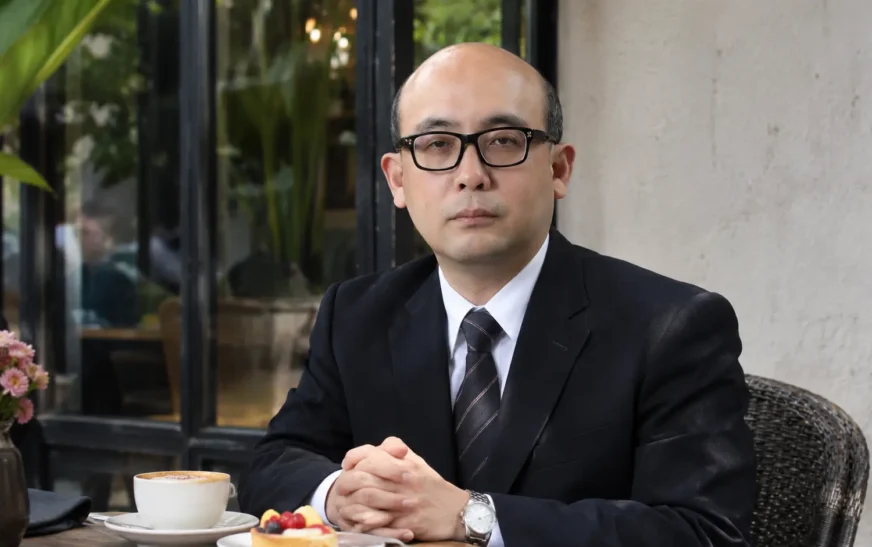


Teo Ghim Heng is a Singaporean man known for a high-profile criminal case that attracted significant public attention. He was formerly a property agent and became the subject of a major court case involving the deaths of his wife and young daughter in 2017. The case received widespread attention because of its circumstances and subsequent legal proceedings. Teo Ghim Heng was convicted of two counts of murder in 2020 and received the death penalty. His appeal was later dismissed by Singapore’s Court of Appeal in 2022. His story is primarily associated with criminal proceedings and the country’s justice system.
Who is Teo Ghim Heng?A brief biography
| Category | Details |
|---|---|
| Full Name | Teo Ghim Heng |
| Nationality | Singaporean |
| Birthplace | Singapore |
| Profession | Former Property Agent |
| Known For | 2017 Woodlands double murder case |
| Age | 49 years (at the time of death) |
| Year of Birth | 1975 or 1976 |
| Wife | Choong Pei Shan |
| Children | One daughter and an unborn child |
| Marital Status | Married |
| Crime Location | Woodlands, Singapore |
| Date of Crime | January 20, 2017 |
| Conviction | Two counts of murder |
| Death Sentence | November 2020 |
| Execution Date | April 16, 2025 |
| Place of Execution | Changi Prison Complex, Singapore |
Who Is Teo Ghim Heng?
Teo Ghim Heng is a former property agent from Singapore who became known following a tragic criminal case in January 2017. Before the incident, he worked in the property industry and had experience selling residential properties. His professional life later faced difficulties as changing market conditions affected his income. Financial problems also became an important part of the background examined during his criminal proceedings. However, his professional background should be understood separately from the criminal acts for which he was convicted. The case eventually became one of Singapore’s widely reported family-related murder cases.
Unlike entertainment personalities and public business figures, Teo Ghim Heng does not have a public career based on media appearances or professional achievements. Most publicly available information about him concerns his former employment, family circumstances, criminal investigation, and court proceedings. His name became widely recognised after the deaths of his wife and daughter. The subsequent investigation and trial attracted considerable public interest. His case also raised legal questions about criminal responsibility and the use of psychiatric evidence. Understanding his background therefore requires looking mainly at the established facts and decisions recorded during the legal proceedings. Read more : Pang Khang Chau
Teo Ghim Heng’s Early Background and Career
Before becoming involved in the criminal case, Teo Ghim Heng worked as a property agent in Singapore. Property agents help clients purchase, sell, and rent residential or commercial properties. The profession can involve changing income levels because earnings often depend on completed transactions and market conditions. Court proceedings discussed his previous financial circumstances and employment history. He had reportedly earned a substantial income during an earlier period of his property career. However, his financial situation later changed, creating difficulties with household expenses and outstanding debts.
His professional circumstances became an important part of the background presented during the trial. After experiencing difficulties in the property industry, he moved into employment with a renovation business. This represented a change from his earlier work in property sales. The court considered evidence about his financial position, employment, and personal circumstances when examining the events surrounding the case. These details helped explain the background discussed during proceedings. However, financial pressure was not accepted as a legal justification for the crimes. The court assessed the charges according to the evidence and applicable criminal law.
Teo Ghim Heng’s Family Background
Teo Ghim Heng was married to Choong Pei Shan, and the couple had a young daughter named Teo Zi Ning. His wife was a homemaker, and their daughter was four years old at the time of the incident. The family lived in a residential flat in Woodlands, Singapore. Their household circumstances later became part of the criminal investigation and court proceedings. Public reporting and judicial records discussed family disagreements, financial concerns, and other personal circumstances. These details formed part of the background examined by the court during the trial.
The case involved the deaths of his wife and daughter, who were both victims of the crimes for which he was convicted. His wife was six months pregnant at the time. The tragedy also affected their extended family and attracted considerable public attention. It is important to discuss these events respectfully because they involved the loss of several lives. The legal proceedings focused on establishing responsibility and examining the available evidence. Rather than relying on speculation about private family matters, the case should be understood through the findings made by the courts.
The 2017 Woodlands Double Murder Case
On January 20, 2017, a serious crime occurred inside the family’s Woodlands flat. Teo Ghim Heng killed his wife, Choong Pei Shan, and their four-year-old daughter, Teo Zi Ning. His wife was six months pregnant at the time. The incident later became the subject of a detailed criminal investigation. The authorities examined the circumstances surrounding both deaths and gathered evidence connected with the case. The investigation established the events that eventually formed the basis of two murder charges. The case shocked many people because the victims were members of the same family.
Following the killings, Teo remained in the flat with the victims’ bodies for approximately a week. The case also involved attempts to conceal what had happened and mislead people searching for his family. Investigators later uncovered important evidence about his actions during this period. These circumstances became significant during the criminal trial. The court carefully examined the evidence and considered the explanations presented by the accused. The investigation ultimately led to formal murder charges. The case became an important example of how criminal investigations establish facts through evidence, witness accounts, and judicial examination.
Teo Ghim Heng’s Arrest and Criminal Investigation
The investigation began after family members became concerned about the whereabouts of Choong Pei Shan and her daughter. Their unusual absence raised questions, particularly when relatives could not establish contact with them. As concerns increased, family members made efforts to understand what had happened. The situation eventually brought the authorities into the case. Police investigations uncovered evidence connected with the deaths inside the Woodlands residence. Investigators examined the location and gathered information to establish the sequence of events. This work played an important role in identifying the circumstances surrounding the crime.
Teo Ghim Heng was subsequently arrested and faced criminal proceedings for the two deaths. Investigators examined his statements, the physical evidence, and other information collected during the investigation. The prosecution later presented its case in court. The defence also had an opportunity to challenge the evidence and explain its position. These proceedings followed Singapore’s criminal justice process, which requires the prosecution to establish guilt beyond reasonable doubt. The investigation and subsequent trial attracted significant public attention because of the victims’ ages and the circumstances of the case.
Teo Ghim Heng’s Court Trial and Murder Charges
The criminal trial against Teo Ghim Heng began in 2019 and involved two charges of murder. The proceedings examined the deaths of his wife and daughter in January 2017. The prosecution presented evidence concerning the circumstances of both killings and the events that followed. The defence challenged aspects of the prosecution’s case and raised questions about his mental condition. The court also considered expert psychiatric evidence. These arguments became important because the defence sought to establish that his mental responsibility had been affected. The judge examined the evidence before reaching a decision.
On November 12, 2020, the High Court found Teo Ghim Heng guilty of both murder charges. The judge rejected the defence arguments relating to diminished responsibility and grave and sudden provocation. He received the mandatory death penalty under the applicable legal provisions. The court found that the prosecution had established the necessary elements of both offences beyond reasonable doubt. This decision represented a major development in the case. However, the legal process was not immediately complete because Teo retained the right to challenge his convictions through an appeal.
The Mental Health Defence and Court Findings
One important issue during the trial involved the defence of diminished responsibility. Teo Ghim Heng’s lawyers argued that he had experienced major depressive disorder when the killings occurred. They maintained that his mental condition had affected his responsibility for his actions. Under Singapore law, diminished responsibility can reduce a murder charge to culpable homicide when specific legal requirements are satisfied. However, a medical diagnosis alone does not automatically establish this defence. The court must examine the medical evidence and determine whether the required legal conditions existed when the offence occurred.
The prosecution disputed the defence’s position, and the judge carefully examined the psychiatric evidence. The court found that the required elements of diminished responsibility had not been established. It also rejected the argument that grave and sudden provocation applied to the circumstances. The judge considered the available evidence, including information about Teo’s behaviour and mental condition. These findings were important because they determined the legal classification of the offences. The decision demonstrated that courts must evaluate expert medical opinions alongside other evidence when considering mental responsibility in serious criminal cases.
Teo Ghim Heng’s Appeal and Final Court Decision
After receiving the death sentence in November 2020, Teo Ghim Heng challenged his convictions. His appeal questioned the High Court’s findings concerning diminished responsibility and the legal provisions used for the murder charges. The defence argued that the evidence about his mental condition had not been properly assessed. It also raised constitutional arguments concerning the relevant criminal law provisions. The appeal was heard by Singapore’s Court of Appeal, which examined the legal issues and evidence considered during the original trial.
On February 23, 2022, the Court of Appeal dismissed his appeal and upheld both murder convictions and the death sentence. The judges agreed that the defence of diminished responsibility had not been established. The court also rejected the constitutional arguments presented by the defence. This decision confirmed the original High Court outcome. The appeal marked an important final stage in the reported criminal proceedings concerning his convictions. It also provided further clarification about the assessment of psychiatric evidence and the legal requirements for diminished responsibility under Singapore criminal law.
Public Attention and Impact of the Case
The case attracted widespread attention across Singapore because of its tragic circumstances. The deaths involved a pregnant woman and a young child, making the incident particularly distressing for the public. News coverage focused on the investigation, court proceedings, and the legal arguments presented during the trial. Many people followed the case as it progressed through the judicial system. The proceedings also encouraged public discussion about family violence, financial pressures, and criminal responsibility. However, the court’s decisions remained based on legal evidence rather than public opinion or media attention.
The case also highlighted the importance of protecting vulnerable family members and recognising serious warning signs of domestic conflict. Financial difficulties and personal disagreements can create difficult situations, but violence is never an acceptable response. The judicial proceedings demonstrated how Singapore’s legal system handles serious criminal offences. They also showed the importance of psychiatric evidence when mental responsibility becomes part of a defence. For readers interested in Singapore’s criminal justice system, this case provides an example of how investigations, trials, appeals, and legal principles work together.
Frequently Asked Questions About Teo Ghim Heng
1. Who is Teo Ghim Heng?
Teo Ghim Heng is a former Singapore property agent convicted of murdering his wife and daughter in 2020.
2. When did the Teo Ghim Heng case happen?
The killings occurred on January 20, 2017, inside a residential flat in Woodlands, Singapore.
3. What was Teo Ghim Heng’s profession?
He previously worked as a property agent and later joined a renovation business.
4. What sentence did Teo Ghim Heng receive?
He received the mandatory death penalty after being convicted of two murder charges in November 2020.
5. Did Teo Ghim Heng win his appeal?
No. Singapore’s Court of Appeal dismissed his appeal on February 23, 2022, upholding his convictions and sentence.
Conclusion
Teo Ghim Heng became widely known because of a tragic criminal case that shocked Singapore. His background as a former property agent received attention during the investigation and trial. However, the most significant part of his story remains the deaths of his wife and daughter. The High Court convicted him of two murder charges in 2020 and imposed the death penalty. In February 2022, the Court of Appeal dismissed his appeal and upheld the original decision. His case remains significant in discussions about criminal responsibility, psychiatric evidence, and Singapore’s justice system. It also highlights the importance of addressing family violence seriously.