

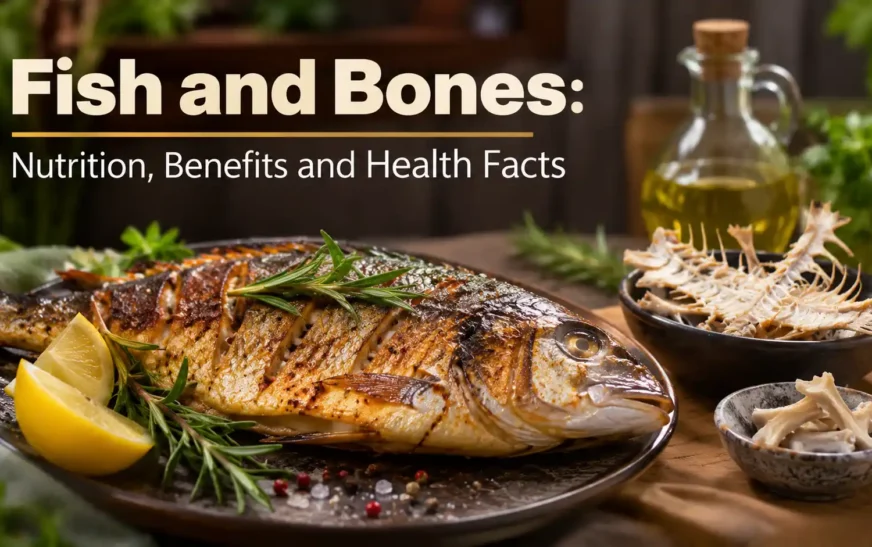
Fish and bones are closely connected through nutrition, cooking, and human health. Fish provides valuable nutrients, while its bones contain minerals that support the body. Many people remove fish bones before eating because they can cause choking. However, certain small and soft fish bones are safe to eat when properly prepared. Fish and bones are also important in traditional cooking, especially when preparing soups and broths. Understanding their nutritional value, benefits, and possible risks helps people make better food choices. This guide explains everything about fish and bones in simple language.
What Are Fish and Bones?
Fish bones are the hard structures inside a fish that support its body. They help fish maintain their shape, protect important organs, and move through water. Unlike mammals, fish have skeletons adapted to swimming. Their bones include the backbone, ribs, skull, and smaller supporting structures. Some fish have many tiny bones, while others have fewer, larger bones. These differences depend on the species and body structure. Fish bones are also important in food preparation because their size and softness affect how people safely prepare and consume different types of fish.
Fish skeletons contain minerals such as calcium and phosphorus, which contribute to their structure. These minerals are important for maintaining strong bones and supporting normal body functions. However, the nutritional value depends on whether the bones are actually consumed. Large, hard fish bones are usually removed before eating. In contrast, certain small fish have soft bones that can become edible through suitable cooking methods. Sardines and canned salmon are common examples. Understanding these differences helps people enjoy seafood while avoiding unnecessary eating risks.
Nutritional Value of Fish and Bones
Fish and bones provide different nutrients depending on the species and preparation method. Fish meat is an excellent source of protein, which helps build and repair body tissues. Many fish also contain vitamin D, vitamin B12, iodine, and selenium. Fatty fish provide omega-3 fatty acids, which support heart and brain health. Meanwhile, edible fish bones can contribute calcium and phosphorus to the diet. These nutrients work together to support normal body functions. However, the nutritional content varies according to the fish species, serving size, and cooking technique.
Calcium is particularly important because it supports strong bones and healthy teeth. Phosphorus also helps maintain bone structure and supports energy production. Small fish eaten whole can provide additional minerals because their soft bones are consumed along with the meat. However, not every fish bone offers the same nutritional benefits. Large bones are generally discarded rather than eaten. People should also remember that fish provides nutrients beyond its skeleton. A balanced seafood meal containing fish meat, vegetables, and whole grains can contribute to an overall healthy diet.
Health Benefits of Fish Bones
Edible fish bones can offer several nutritional benefits when properly prepared. Their calcium content supports normal bone development and maintenance. This mineral is especially important during childhood, adolescence, and older adulthood. Calcium also plays a role in muscle movement and nerve communication. Small fish with soft bones can provide a convenient source of dietary calcium. However, eating fish bones is not necessary for maintaining good bone health. Other foods, including dairy products, leafy vegetables, and fortified alternatives, can also provide calcium for everyday nutritional needs.
Fish bones may also provide phosphorus, another mineral involved in maintaining healthy bones and teeth. Phosphorus works alongside calcium to support the body’s skeletal structure. Additionally, consuming whole small fish provides protein and other nutrients from the meat. These nutrients contribute to normal muscle function and overall health. However, people should avoid assuming that all fish bones are beneficial to eat. Their safety depends on size, texture, and preparation. Soft, properly cooked bones are different from sharp, hard bones that may cause injuries when swallowed.
Types of Fish Bones Found in Different Fish
Different fish species have different bone structures. Some contain many small bones, while others have fewer bones that are easier to remove. Understanding these differences helps when buying and preparing seafood. Popular fish varieties include salmon, sardines, tuna, mackerel, tilapia, and cod. Their bones differ in size, shape, and hardness. For example, sardines have relatively small bones that can become soft during canning. Salmon bones are generally larger and require careful removal unless properly processed in canned products.
Fish bones can generally be divided into several structural types. The backbone supports the main body, while ribs protect internal organs. Smaller bones may appear around the fins and muscles. Some fish also have fine pin bones that are difficult to notice when eating fillets. These small structures can create problems if preparation is careless. Fishmongers often remove visible bones before selling fillets. However, checking fish carefully before cooking remains important. Knowing the basic structure of fish bones makes seafood preparation easier and helps reduce accidental swallowing risks.
How Fish Bones Are Used in Cooking
Fish bones have several useful applications in traditional and modern cooking. One popular example is fish stock, which is prepared by simmering suitable fish bones with vegetables and herbs. This liquid provides a rich seafood flavour for soups, sauces, and other dishes. Chefs often use cleaned frames and heads from suitable fish species. However, preparation is important because poorly cleaned bones may affect flavour. Removing blood, gills, and unwanted parts helps produce a cleaner stock. The finished liquid can be strained carefully to remove solid bone fragments.
Fish bones are also used in some traditional recipes where smaller bones become soft through pressure cooking or canning. Canned sardines and salmon are familiar examples. Their softened bones can usually be eaten along with the fish. Some cuisines also prepare dried or powdered fish products using carefully processed bones. These products may contribute minerals to meals. However, people should never assume that ordinary fish bones become safe simply through normal cooking. Hard bones must be handled carefully, and any preparation method should be suitable for the particular fish.
Can You Safely Eat Fish Bones?
Eating fish bones can be safe in certain situations, but the type of bone matters. Small, soft bones in properly prepared canned sardines and salmon are generally edible. They can provide additional calcium and phosphorus. However, large, sharp, or hard fish bones should not be swallowed intentionally. These bones can become stuck in the throat or injure the digestive tract. Children and older adults may need additional care when eating fish because they can have difficulty identifying and removing small bones.
Before eating fish, check the meat carefully for visible bones. Take small bites and avoid rushing while eating. If a bone becomes stuck in the throat, do not try to push it down with large pieces of bread or rice. Seek medical attention, especially if swallowing becomes painful or difficult. Breathing problems, severe pain, or inability to swallow saliva require emergency medical help. Proper preparation is the best way to reduce these risks. Boneless fillets and carefully prepared fish products can also make seafood easier to enjoy.
Fish Bones and Bone Health
Fish bones can contribute calcium to the diet when they are soft enough to eat safely. Calcium is essential for maintaining bone strength and supporting normal body movement. The body also needs vitamin D to absorb calcium effectively. Some fatty fish provide vitamin D, making seafood a useful part of a balanced diet. However, fish bones alone cannot prevent every bone-related problem. Healthy bones depend on several factors, including balanced nutrition, regular physical activity, and sufficient exposure to appropriate sources of vitamin D.
Phosphorus is another important mineral found in fish skeletons. It works with calcium to maintain healthy bones and teeth. However, consuming excessive amounts of certain nutrients is not automatically beneficial. People with specific medical conditions may need advice about their mineral intake. A varied diet is generally the best approach to supporting bone health. Include suitable fish, vegetables, protein sources, and calcium-rich foods. Readers interested in related nutrition topics can also explore our internal articles about foods rich in calcium and vitamin D benefits for healthy bones.
Fish and Bones for Children and Older Adults
Fish can be a nutritious food choice for children because it provides protein, vitamins, and minerals. However, fish bones create an important safety concern, particularly for younger children. Their smaller airways make choking especially dangerous. Parents should carefully remove all visible bones before serving fish. Boneless fillets are often a practical choice for family meals. Fish should also be cooked thoroughly and served in small, manageable pieces. Choosing appropriate fish varieties and supervising children during meals can help reduce accidental swallowing risks.
Older adults can also benefit from including fish in their diets. Protein helps maintain muscle health, while vitamin D and other nutrients support normal body functions. However, swallowing difficulties and dental problems may increase the risks associated with fish bones. Carefully prepared boneless fish can make meals easier and safer. Soft, edible bones in suitable canned fish may provide additional calcium, but they are not essential. Older adults with swallowing problems should seek professional dietary advice before changing their food choices. Safe preparation should always remain the priority.
How to Remove Fish Bones Before Cooking
Removing fish bones properly makes seafood easier and safer to eat. The process depends on the fish species and the type of cut. Fish fillets may contain small pin bones that remain after the main skeleton has been removed. A pair of clean kitchen tweezers can help remove these bones. First, place the fillet on a clean cutting board. Run your fingers gently along the flesh to identify any remaining bones. Pull each visible bone out carefully in the direction it naturally points.
After removing the bones, inspect the fish again before cooking. Good lighting makes small bones easier to identify. You can also ask a fishmonger to prepare boneless fillets when purchasing seafood. However, remember that even professionally prepared fillets may occasionally contain small bones. Cooking does not always remove this risk. Always check the fish before serving it, particularly when preparing meals for children or older adults. These simple preparation steps make seafood more enjoyable while reducing the chances of accidental bone injuries.
Frequently Asked Questions (FAQs)
1. Are fish bones healthy to eat?
Yes, certain soft fish bones provide calcium and phosphorus when properly prepared and safe to consume.
2. Which fish bones can you eat?
Soft bones in canned sardines and canned salmon are generally safe to eat.
3. Do fish bones contain calcium?
Yes, fish bones contain calcium, an important mineral for healthy bones and teeth.
4. Can fish bones cause choking?
Yes, sharp or hard fish bones can become stuck in the throat and cause injuries.
5. How can you remove fish bones easily?
Use clean kitchen tweezers to carefully remove visible pin bones before cooking or serving fish.
Conclusion
Fish and bones have an important connection with nutrition, cooking, and food safety. Fish provides valuable protein, vitamins, and healthy fats. Meanwhile, certain soft fish bones contribute calcium and phosphorus. Small fish and properly prepared canned seafood can offer additional nutritional benefits. However, large or sharp bones should never be eaten intentionally because they can cause choking and injuries. Proper cleaning, careful preparation, and suitable cooking methods make seafood safer to enjoy. Including fish in a balanced diet can support overall health. Understanding fish and bones helps people make informed food choices and enjoy seafood responsibly.