
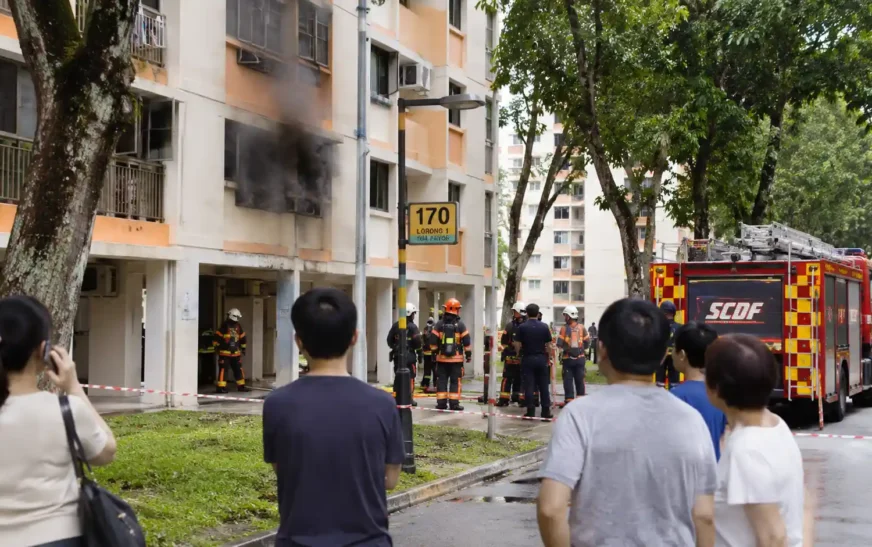
The Toa Payoh fire incident has raised concerns about residential safety in Singapore. The latest incident occurred on October 25, 2026, at an HDB flat in Block 170, Lorong 1 Toa Payoh. Emergency responders arrived after receiving an alert in the morning. The fire involved items inside a bedroom on the second floor. Around 10 residents were evacuated as a precaution. A 61-year-old man was taken to hospital while another person received an assessment for minor injuries. The incident also prompted police investigations into the circumstances surrounding the fire.
What Happened During the Toa Payoh Fire?
The Toa Payoh fire broke out at approximately 9:20 am on October 25, 2026. The incident happened inside a second-floor residential unit at Block 170, Lorong 1 Toa Payoh. Emergency responders received an alert and quickly travelled to the affected building. When firefighters arrived, they discovered a fire involving items inside a bedroom. The situation required immediate attention because residential buildings contain several neighbouring households. Smoke and flames can create serious risks for nearby residents. Firefighters entered the affected flat and began controlling the situation using appropriate firefighting equipment.
The Singapore Civil Defence Force (SCDF) handled the emergency response and successfully extinguished the blaze. Officers had to force entry into the residential unit to reach the affected area. They used a portable fire extinguisher to put out the flames. The operation helped prevent the situation from developing further. Residents living nearby were also advised to remain cautious during the emergency. Approximately 10 people were evacuated from the building as a safety measure. The incident highlighted the importance of quick emergency responses and proper safety arrangements in Singapore’s public housing communities.
Where Did the Toa Payoh Fire Take Place?
The incident occurred at Block 170, Lorong 1 Toa Payoh, in Singapore. The affected property is part of the country’s public housing system, where many families and individuals live in apartment buildings. The fire started inside a second-floor residential unit. Because the building contains neighbouring homes, emergency responders took precautions to protect other occupants. The location also made quick coordination important during the firefighting operation. Residents nearby needed to stay away from potentially dangerous areas while emergency personnel worked to control the situation and assess possible risks.
Toa Payoh is an established residential neighbourhood with housing blocks, shops, public facilities and community spaces. Like other densely populated areas, residential fire incidents can affect more than one household. Smoke may travel through shared corridors and other building spaces. Therefore, residents should understand their building’s emergency exits and evacuation arrangements. Keeping shared pathways clear is equally important because blocked corridors can delay evacuation. The latest incident at Block 170 reminds residents that fire prevention requires attention from everyone. Small safety precautions can help protect families, neighbours and the wider community.
Residents Evacuated After the Toa Payoh Fire
Following the Toa Payoh fire, approximately 10 residents were evacuated from the affected block. The evacuation was carried out as a precaution while firefighters managed the situation inside the flat. Moving people away from a potentially dangerous area helps reduce exposure to smoke and other hazards. Residential fires can become unpredictable, particularly when emergency teams are still assessing the affected property. Residents should always follow instructions from emergency personnel rather than attempting to investigate the situation themselves. A calm and organised evacuation can make a significant difference during unexpected emergencies.
Emergency responders also assessed people who may have experienced injuries during the incident. A 61-year-old man was taken to Singapore General Hospital while conscious. Another person was assessed for minor injuries but declined hospital treatment. Authorities did not report further medical details about the individuals involved. The situation demonstrated why emergency medical assessments are important after residential fires. Even when injuries appear minor, smoke exposure can create health concerns. Residents should seek medical attention if they experience breathing difficulties, dizziness, persistent coughing or other unusual symptoms following exposure to smoke.
Police Investigation Into the Toa Payoh Fire
Police investigations began after the October 2026 Toa Payoh fire. Authorities confirmed that a 61-year-old man was assisting with investigations into the incident. The investigation concerns the suspected offence of causing or contributing to the risk of a dangerous fire. However, this does not establish that the individual deliberately started the blaze. Investigators need to examine the available evidence before reaching conclusions. The circumstances surrounding the incident remain important for understanding what happened inside the affected residential unit and whether any actions contributed to the fire.
Investigations into residential fires can involve examining the affected room, identifying possible ignition sources and collecting relevant information. Officers may also consider witness accounts and other available evidence. These steps help establish how an incident developed and whether safety rules were followed. At the time of the latest reported update, authorities had not announced a final investigation outcome. Residents should avoid spreading unconfirmed information or making assumptions about the people involved. Accurate information is especially important during sensitive incidents because incorrect claims can create unnecessary concern within the local community.
Fire Safety Lessons for Toa Payoh Residents
The Toa Payoh fire highlights the importance of taking everyday fire safety precautions seriously. Residential fires can start unexpectedly and create dangerous conditions within minutes. Families should regularly inspect electrical equipment, avoid overloading power sockets and switch off appliances when they are not needed. Cooking should never be left unattended, especially when using gas stoves or electrical cooking equipment. Residents should also avoid storing unnecessary combustible materials near electrical devices. These simple habits can reduce common household fire risks and help protect people living in apartment buildings.
Building residents should also understand what to do when a fire occurs. Knowing the nearest staircase, emergency exit and safe assembly area can save valuable time. Keep corridors, staircases and doorways free from furniture, boxes and other objects. If smoke enters your home, avoid entering smoke-filled corridors without proper guidance. Follow emergency instructions and contact the authorities when necessary. Families can also prepare an emergency plan that includes children, elderly relatives and people requiring assistance. Regularly discussing these precautions makes everyone more prepared for unexpected situations.
Common Causes of Residential Fires in Singapore
Residential fires can develop because of several everyday hazards. Unattended cooking remains an important concern because food, oil and other materials can catch fire when exposed to excessive heat. Electrical problems are another major risk, especially when damaged wiring, faulty appliances or overloaded sockets are involved. Residents should pay attention to unusual smells, sparks and overheating electrical equipment. Ignoring these warning signs can increase the possibility of a dangerous situation. Regular inspections and responsible appliance use are practical ways to reduce risks inside homes and shared residential buildings.
Battery-related incidents also deserve attention, particularly when residents use personal mobility devices and rechargeable equipment. Damaged batteries, unsuitable chargers and unsafe charging practices can increase fire risks. Always use compatible charging equipment and follow the manufacturer’s safety instructions. Avoid charging batteries overnight or leaving them unattended for extended periods. Keep charging devices away from curtains, paper, clothing and other materials that can burn easily. These precautions are useful for households across Singapore. Understanding common fire hazards can help residents prevent emergencies and respond more responsibly when warning signs appear.
How Residents Can Respond to a Residential Fire
Knowing how to respond during a residential fire can protect lives and reduce injuries. The first priority should always be personal safety. If you discover flames or heavy smoke, alert other occupants and contact emergency services immediately. Leave the affected area using a safe exit whenever possible. Never use lifts during a building fire because electrical failures or smoke conditions may make them dangerous. Close doors behind you if it is safe to do so, as this may help slow smoke and fire movement. Follow emergency personnel’s instructions throughout the evacuation.
After reaching a safe location, avoid returning to the building until authorities confirm that it is safe. Do not attempt to collect personal belongings or investigate the cause yourself. Residents who notice missing neighbours should share that information with emergency responders. People experiencing breathing problems or other symptoms should request medical assistance. Families can improve their preparedness by keeping emergency contact details accessible and discussing evacuation arrangements beforehand. For additional practical guidance, residents can explore related internal resources about home fire prevention, electrical safety precautions and emergency preparedness tips.
FAQs About Toa Payoh Fire
1. When did the latest Toa Payoh fire happen?
The latest reported incident occurred on October 25, 2026, at approximately 9:20 am.
2. Where did the Toa Payoh fire happen?
The fire occurred at Block 170, Lorong 1 Toa Payoh, Singapore.
3. How many residents were evacuated?
Approximately 10 residents were evacuated as a precaution during the emergency response.
4. Was anyone taken to hospital?
Yes, a 61-year-old man was taken to Singapore General Hospital while conscious.
5. Is the Toa Payoh fire under investigation?
Yes, police investigations are ongoing into circumstances surrounding the residential fire.
Conclusion
The Toa Payoh fire on October 25, 2026, highlighted the importance of residential fire safety in Singapore. The incident involved a second-floor HDB flat, required emergency firefighting operations and led to the precautionary evacuation of approximately 10 residents. A 61-year-old man was taken to hospital, while police investigations continued. Although firefighters successfully extinguished the blaze, the incident serves as an important reminder about household safety. Residents should maintain electrical equipment, practise safe cooking habits and understand evacuation procedures. Staying alert, following safety guidance and preparing for emergencies can help protect families and neighbouring communities from unexpected residential fires.