
What Is Sodeng?
Sodeng is a term connected with Korean cooking and traditional dining culture. It is especially associated with sodaeng, a metal lid used with a traditional Korean cooking pot. The idea has also inspired a modern Korean BBQ restaurant concept in Singapore. For people searching for Sodeng online, understanding both meanings is important. The traditional meaning explains the cooking method, while the restaurant connection explains why the word appears in food reviews and dining guides. Sodeng offers an interesting look at how traditional Korean cookware can become part of a modern meal. It combines cultural history, cooking, and communal dining in a simple but memorable way.
The connection between Sodeng and Korean food comes from the traditional gamasot, a large cast-iron cooking pot. Its heavy lid, known as sodaeng, could be used as a practical cooking surface. This traditional idea has been adapted into a restaurant experience where food is prepared on a heated metal surface. As a result, Sodeng is more than just a name. It represents a cooking technique rooted in Korean food culture. People interested in Korean BBQ may find the concept particularly interesting because it combines familiar table cooking with traditional equipment. This makes Sodeng a useful term to understand when exploring Korean cuisine and dining traditions.
Sodeng Meaning in Korean Food Culture
The meaning of Sodeng becomes clearer when looking at traditional Korean cookware. The word sodaeng refers to the lid of a traditional cast-iron cooking pot. Korean households historically used large pots for preparing rice, soups, and other foods. The heavy lid was not simply a cover. Its strong metal construction also made it useful for cooking. When heated, the surface could be used much like a griddle. This practical approach reflects the resourceful nature of traditional cooking. Today, the idea continues through modern food concepts that use the traditional lid as part of the dining experience.
Traditional Korean cooking often focuses on practical tools, strong flavors, and shared meals. Large cooking vessels were useful for preparing food for families and groups. The gamasot became an important part of Korean culinary history because it could handle high temperatures and repeated use. The sodaeng lid was equally practical because of its heavy construction. Modern interpretations of this method give diners an opportunity to experience a small part of that tradition. Sodeng therefore connects an older cooking technique with a contemporary restaurant setting. This connection is one reason the term has attracted interest among people exploring Korean food culture. Read more : Burma Social
How Sodeng Became a BBQ Concept
Sodeng is also associated with a Korean BBQ restaurant in Singapore. The restaurant uses the traditional sodaeng idea as part of its cooking concept. Instead of relying only on a typical BBQ grill, the restaurant uses a metal cooking surface inspired by the traditional Korean pot lid. This gives the dining experience a clear connection to Korean culinary history. The concept also fits naturally with Korean BBQ because food can be cooked close to the diners. This makes the cooking process part of the meal rather than something hidden inside the kitchen.
The restaurant concept has received attention for its focus on Korean-style duck BBQ. Duck provides a different option from the beef and pork commonly found at many Korean BBQ restaurants. Diners can cook the meat together with vegetables and other ingredients on the heated surface. Korean side dishes can then add different textures and flavors to the meal. This combination creates a dining experience that is both social and interactive. For people searching for Sodeng because of restaurant recommendations, the Korean BBQ connection is therefore especially important. It explains why the name appears frequently in food-related searches.
What Makes Sodeng Different?
One of the main features that makes Sodeng interesting is its cooking surface. Traditional metal cookware provides a different experience from modern electric grills or standard BBQ plates. The surface becomes part of the presentation, allowing diners to watch food cook directly at the table. This approach can make a meal feel more interactive. It also creates a stronger connection between the cooking process and the people eating the food. For anyone who enjoys trying unusual restaurant concepts, Sodeng offers a simple example of how traditional ideas can be presented in a modern way.
Another difference is the combination of Korean BBQ with duck. Duck has a rich flavor and can work well with vegetables, sauces, and Korean side dishes. At a restaurant using the Sodeng concept, diners may encounter ingredients such as chives, onions, minari, and various banchan. These additions help balance the main protein and provide different flavors throughout the meal. The experience is therefore not limited to grilled meat alone. It introduces diners to the wider structure of Korean meals, where several small dishes are commonly enjoyed alongside the main food.
Sodeng and Korean BBQ Dining
Korean BBQ is popular because it gives diners an active role in preparing their meal. Instead of receiving everything fully cooked, guests can watch meat and vegetables cook at the table. This creates a relaxed and social atmosphere. Sodeng fits naturally into this tradition because its cooking surface is placed at the center of the dining experience. Friends and family can share the food while discussing which ingredients should be cooked next. This style of dining makes the meal feel more personal and interactive than a standard restaurant experience.
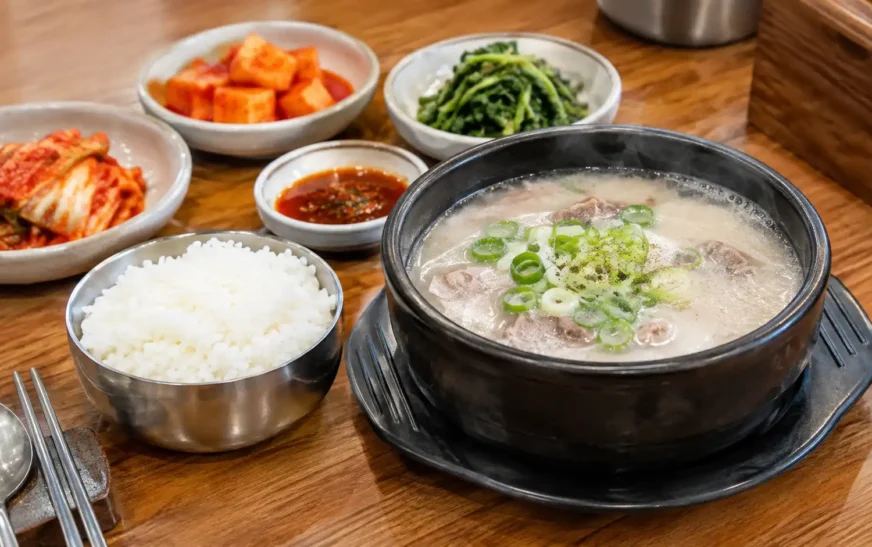
The shared nature of Korean BBQ also explains the importance of side dishes. Korean meals often include banchan, which can include vegetables, fermented foods, pickles, and seasoned ingredients. These small dishes provide different flavors alongside grilled food. With a Sodeng-style meal, the combination of BBQ and side dishes creates variety from the beginning to the end of the meal. Diners can enjoy the main protein while adding vegetables, sauces, and traditional Korean accompaniments. For newcomers, this can be a useful introduction to the communal style that makes Korean dining distinctive.
Traditional Cooking Behind Sodeng
The traditional cooking history behind Sodeng is closely connected with the gamasot. This large cast-iron pot was designed for cooking food over strong heat. Its weight and construction helped retain heat for long periods. The lid was also made from heavy metal, giving it enough strength to serve another practical function. When turned into a cooking surface, the lid could support ingredients such as meat and vegetables. This demonstrates how traditional Korean kitchens made efficient use of their cooking equipment. Sodeng brings attention to this clever approach through a modern food setting.
Understanding this history can make the Sodeng concept easier to appreciate. Modern restaurants often borrow ideas from traditional cuisines and present them in new ways. However, the original cooking tools remain important because they explain where those ideas came from. Sodeng provides a clear example of this process. A traditional pot lid becomes part of a modern BBQ experience while retaining its cultural connection. For readers researching Korean food, learning about the gamasot and sodaeng can therefore provide useful background. It also shows how cooking traditions can continue evolving without losing their historical identity.
What Food Can You Expect?
If you encounter Sodeng in a restaurant context, Korean BBQ is likely to be the main focus. The Singapore restaurant connected with the name has been highlighted for duck BBQ, giving diners an alternative to more familiar Korean grilled meats. Duck can be cooked on the heated surface together with vegetables and other ingredients. The meal can then be enjoyed with sauces and Korean side dishes. Because menus can change, diners should always check the current menu before visiting. Still, the central idea remains connected with table cooking and Korean-style BBQ.
Side dishes are another important part of the experience. Korean BBQ meals commonly include several small plates that complement the main food. These can include kimchi, seasoned vegetables, pickled ingredients, and other traditional accompaniments. Different textures and flavors help make the meal more varied. With a Sodeng-style BBQ experience, these side dishes can be enjoyed while the main food cooks at the table. This creates a balanced meal instead of focusing on one ingredient. Anyone interested in Korean cuisine can use the experience as an opportunity to discover ingredients beyond the familiar BBQ staples.
Why People Search for Sodeng
People may search for Sodeng for several different reasons. Some want to know the meaning of the Korean cooking term. Others may have heard about the restaurant and want to understand its concept before visiting. Food enthusiasts may also be interested in the traditional cooking method behind the name. Because the same term can appear in different contexts, adding words such as Korean BBQ, restaurant, or Korean cooking can make search results more useful. Understanding the context is especially important when searching unfamiliar food terms online.
Sodeng is particularly interesting because it combines language, history, and food. A simple name leads to a traditional Korean cooking vessel and then to a modern BBQ experience. This gives the term more meaning than a typical restaurant name. It also shows how food traditions can influence modern businesses and dining experiences. If you are exploring Korean cuisine, learning about Korean BBQ traditions and traditional Korean cookware can provide useful additional context. These topics can help explain why cooking equipment, food preparation, and communal dining remain closely connected in Korean food culture.
Is Sodeng Worth Knowing About?
Sodeng is worth learning about if you are interested in Korean cuisine or unique BBQ experiences. The term has a clear connection with traditional Korean cookware and the sodaeng pot lid. Its modern restaurant association adds another layer by turning that traditional cooking idea into an interactive dining experience. The concept demonstrates how food businesses can use cultural traditions to create distinctive meals. At the same time, understanding the history behind the name helps prevent confusion when searching for information. Sodeng is therefore best viewed as both a cultural cooking reference and a modern Korean dining concept.
For food lovers, the appeal comes from the combination of tradition and participation. Diners can experience Korean-style BBQ while seeing how food cooks directly at the table. Duck, vegetables, sauces, and banchan can create a varied meal with different flavors and textures. The traditional metal cooking surface adds another point of interest. While restaurant menus and details can change, the underlying idea remains easy to understand. Sodeng connects an old Korean cooking tradition with modern dining. That combination makes it an interesting topic for anyone discovering Korean food for the first time.
Frequently Asked Questions About Sodeng
What does Sodeng mean?
Sodeng is linked to sodaeng, a traditional Korean metal pot lid used for cooking.
Is Sodeng related to Korean BBQ?
Yes, Sodeng is associated with a Korean BBQ concept using a traditional-style metal cooking surface.
What food is Sodeng known for?
The restaurant concept is particularly associated with Korean-style duck BBQ and Korean side dishes.
What is sodaeng?
Sodaeng refers to the metal lid of a traditional Korean cooking vessel called a gamasot.
Where can you find Sodeng restaurant?
The Sodeng restaurant concept is associated with Telok Ayer Street in Singapore.
Conclusion
Sodeng brings together traditional Korean cookware, BBQ, and modern dining culture. The term is connected with sodaeng, the metal lid of a traditional Korean cooking pot. That lid has inspired a modern cooking concept where food can be prepared directly at the table. The Sodeng restaurant in Singapore has further connected the name with Korean BBQ and duck dishes. For anyone searching for Sodeng, understanding this background makes the term much easier to recognize. It is not simply a food name but a link between Korean culinary history and contemporary dining. Exploring Sodeng can also open the door to discovering Korean BBQ, banchan, and traditional cooking traditions.